Sustainable Practices for Domestic Waste Disposal in the UK
Making your home greener does not have to mean changing everything about the way you live. When it comes to household waste, some of the most useful changes can be surprisingly simple.
Using what you already own for longer, wasting less food, recycling correctly and thinking before throwing something away can all reduce the amount of rubbish leaving your home. The important part is to look beyond the bin. Sustainable waste management starts long before collection day, with the things we choose to buy, use, repair and reuse.
The Greenest Waste Can Be the Waste You Never Create
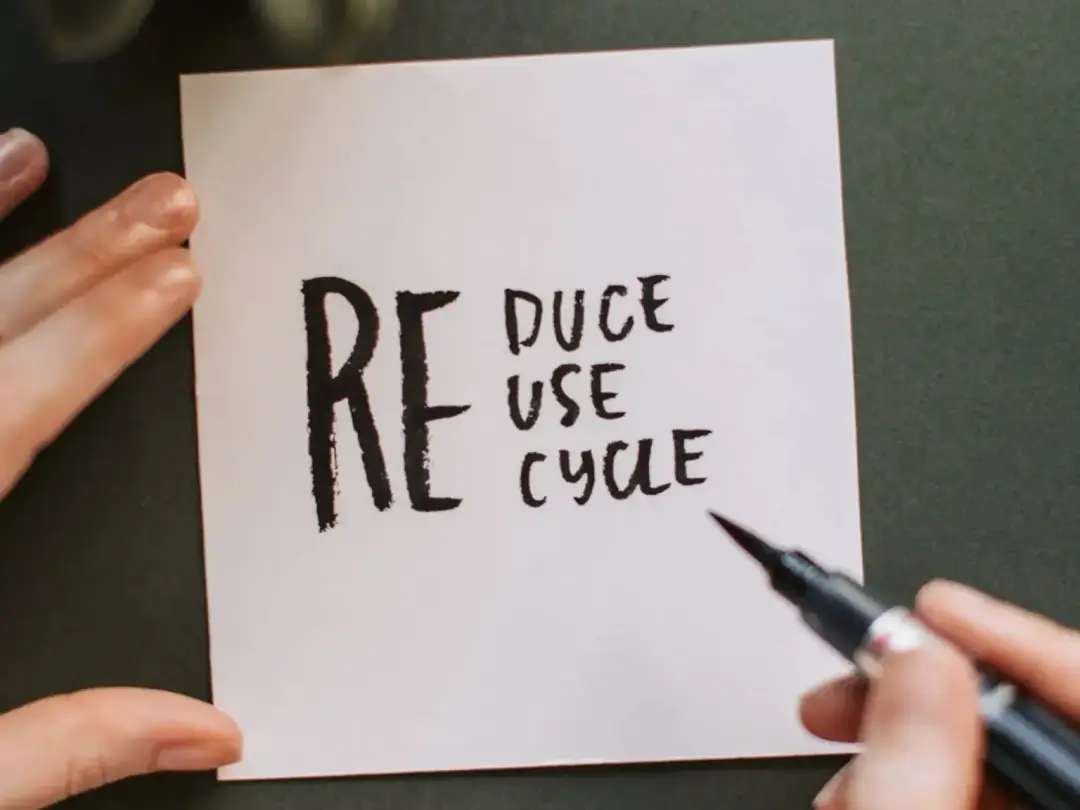
Recycling is important, but preventing waste is generally a better starting point. The waste hierarchy used in UK waste policy places prevention first. After prevention come preparing items for reuse, recycling, other recovery methods and, finally, disposal. It provides a useful way to think about everyday household rubbish.
Before putting something in the bin, consider whether it really needs to become waste. Could it be used again? Could it be repaired? Could someone else use it? If not, can its materials be recycled?
This approach can be applied to everything from clothes and furniture to food, packaging and electrical products.
Not every item can be saved from the bin, of course. However, changing how we think about unwanted belongings can help make disposal the final option rather than the automatic one.
Buy With the End in Mind
A greener approach to waste can begin while you are shopping. Before buying something new, consider how much use you are likely to get from it. Where practical, products that are durable, reusable or repairable may remain useful for much longer than disposable alternatives.
Packaging is worth considering too. Where suitable alternatives exist, choosing products with less unnecessary packaging can reduce the amount of material entering your bins. There is also value in simply buying what you need.
A special offer is not much of a saving if some of the product eventually goes unused. This is particularly important with food, but the same principle can apply to household products, decorating supplies and many other purchases. Buying less does not have to mean going without. It can simply mean getting better value from the things that enter your home.
Make Repair Your First Thought, Not Replacement
Modern homes contain a huge number of products, and it is easy to replace something as soon as it develops a fault. Sometimes replacement is necessary, sometimes it's not. A loose chair leg, damaged zip or broken handle might be repairable. Certain electrical products may also be suitable for professional repair, depending on their age, condition and the nature of the fault.
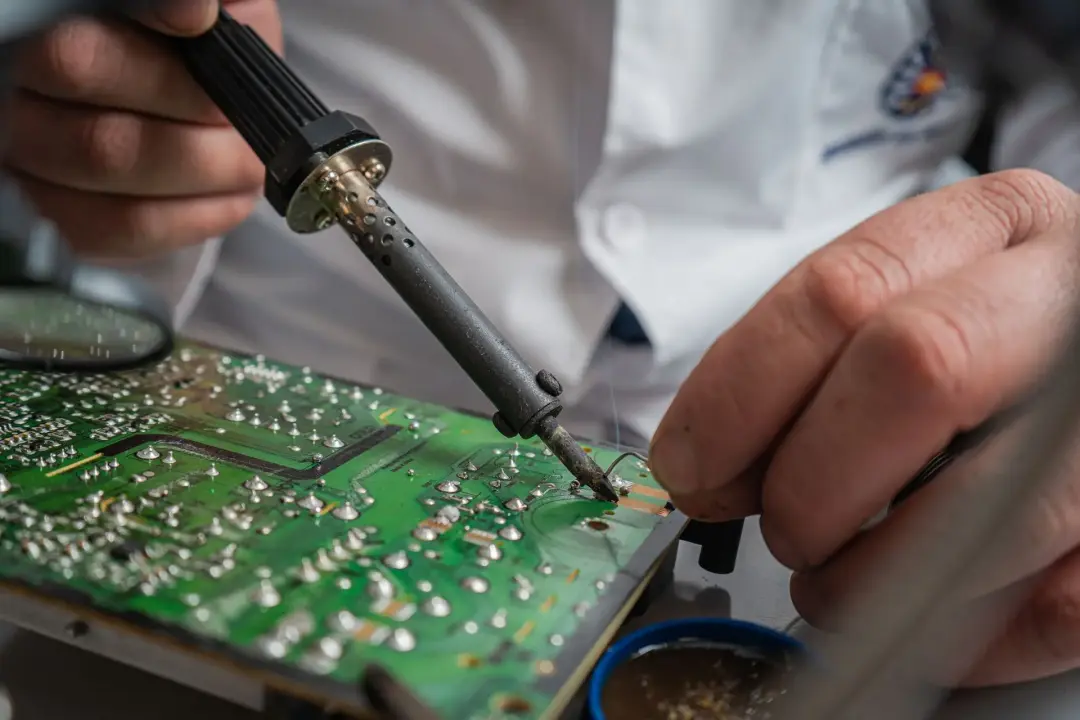
Keeping products in use for longer can delay the point at which they become waste. It can also reduce the need to buy a replacement immediately.
This idea applies to maintenance as well. Looking after tools, appliances, furniture, clothing and other belongings can help them remain useful for longer.
Safety should always come first, particularly with electrical items. Repairs should only be attempted when they can be carried out safely and correctly.
Let Unwanted Items Find Another Home
Something does not have to be broken to become unwanted.
Perhaps you are replacing a sofa, your children have grown out of their clothes, or a kitchen appliance no longer suits your needs. If an item remains safe and usable, throwing it away may not be the only option. Depending on the item and its condition, you could consider selling it, donating it to a suitable organisation or passing it to somebody who can use it.
Furniture, books, clothing, toys and household equipment can all have useful lives beyond their first owner. This is one of the easiest ways to put reuse into practice at home. It keeps useful products in circulation and delays the point at which their materials need to be recycled or disposed of. It can also help someone else avoid buying the same item new.
Give Food Waste More Attention
Food is one area where small household changes can have a meaningful effect.
Research published by the Waste and Resources Action Programme has continued to examine the scale of food waste in UK homes and the habits that contribute to it. Its latest household food management research shows that food waste remains an important area for action.
The good news is that households have plenty of opportunities to reduce it. Planning meals before shopping can help prevent unnecessary purchases. Checking the fridge, freezer and cupboards first can also stop you buying something you already have. Storage matters as well. Following storage instructions and using suitable foods before they spoil can help you get more from your weekly shop.
Leftovers can sometimes become another meal rather than another addition to the food waste container. Freezing suitable food before it spoils can provide more time to use it. These habits are good for more than the environment. If more of the food you buy is actually eaten, more of the money spent on it is being put to good use.
Make the Most of Food Waste Collections
Even with careful planning, some food waste is difficult to avoid. Peelings, cores and other inedible parts are obvious examples. Where a separate food waste collection is provided, using it correctly helps keep this material separate from general rubbish.
There have been important recent changes in England. From 31 March 2026, new household recycling requirements mean waste collectors must, by default, collect food and garden waste, paper and card, other dry recyclable materials, and residual waste separately. The exact containers and collection arrangements can still vary according to local circumstances.
This makes it important to follow the collection instructions provided locally. People elsewhere in the UK should also check the arrangements that apply in their area, as waste and recycling systems are not identical across England, Scotland, Wales and Northern Ireland.
Compost What You Can at Home
For households with suitable outdoor space, home composting can provide another use for some organic material.
Certain uncooked fruit and vegetable scraps, garden cuttings and other suitable compostable materials can gradually be turned into compost for use in the garden. However, a compost heap is not simply another rubbish bin.
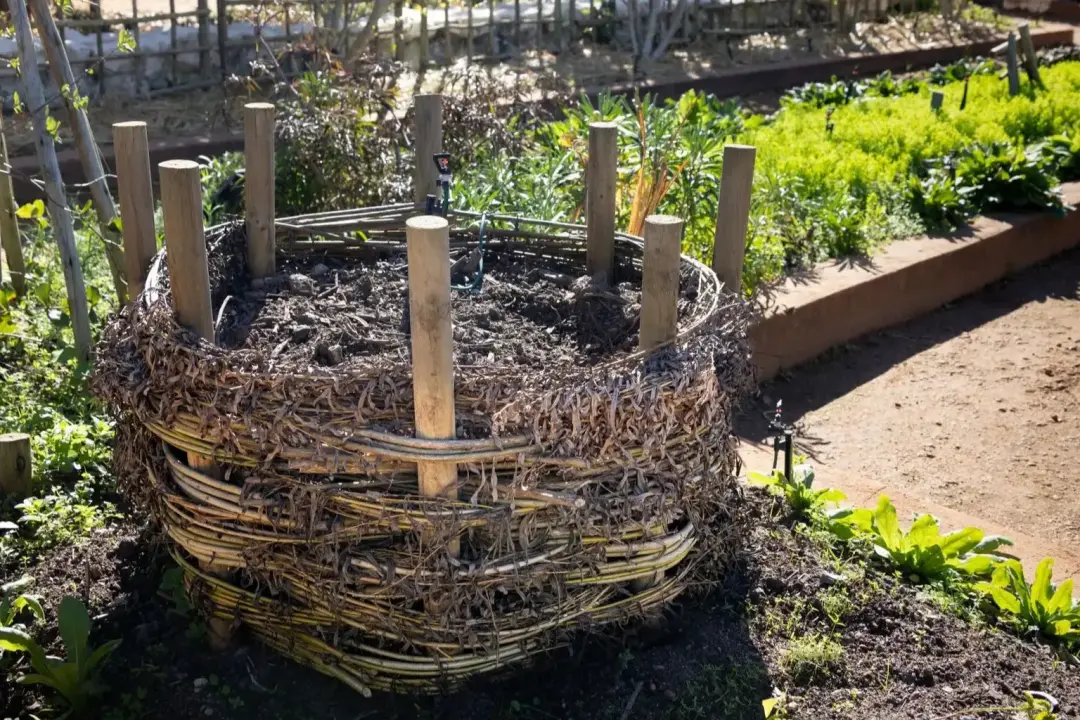
What you should add depends on the type of composting system being used. Following reliable composting guidance can help avoid problems and produce better compost.
For people who do not have the space, time or suitable conditions for home composting, a council food or garden waste collection may be the more practical option where one is available.
The important point is that organic material does not always need to be treated in the same way as general rubbish.
Get Recycling Right
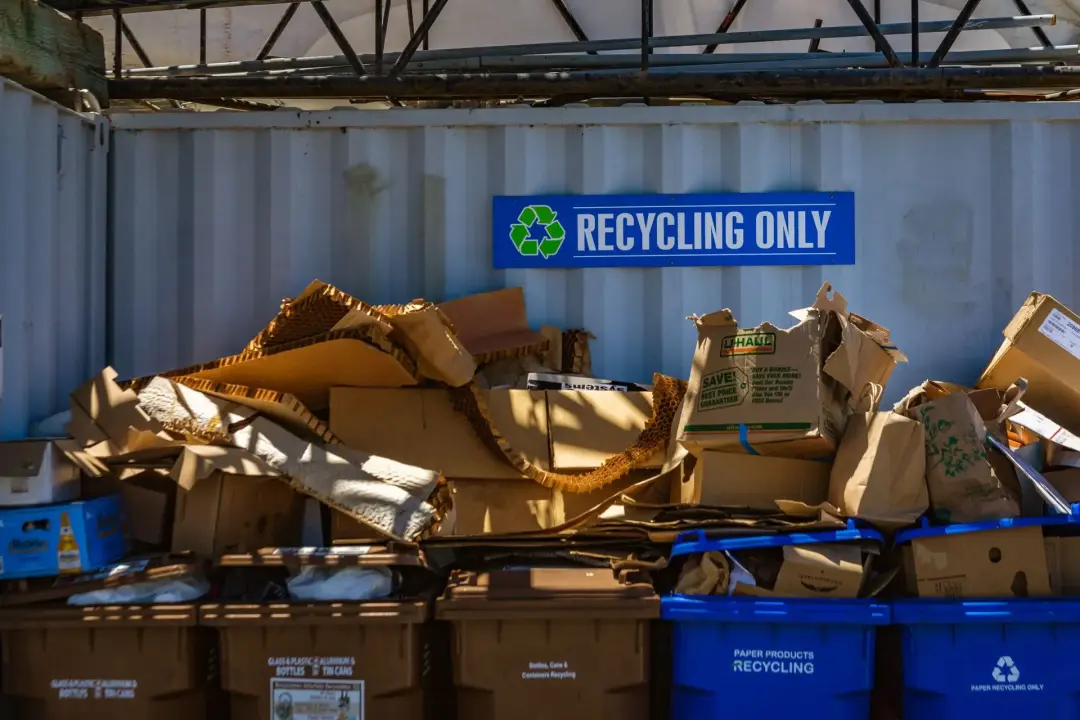
Recycling is most effective when the correct materials reach the correct collection. For householders, this means following the instructions for the local recycling service rather than guessing.
England's newer recycling requirements are intended to make the range of core recyclable materials collected from homes more consistent. From 31 March 2026, collectors are by default required to collect paper and card separately, as well as other dry recyclable materials including glass, metal and plastic.
That does not mean every household will have the same number or style of bins. Councils and waste collectors can make choices about collection systems according to local needs.
Following the information provided with your own collection remains the simplest approach. Good sorting helps recyclable materials reach the correct waste stream rather than being mixed unnecessarily with general rubbish.
Treat Batteries and Electrical Items Differently
Some of the smallest objects in a home need particular attention when it comes to disposal.
Batteries and electrical products displaying the crossed-out wheelie bin symbol should not be placed in household rubbish. They should instead go to an appropriate collection point for recycling. There are a number of practical reasons for this.
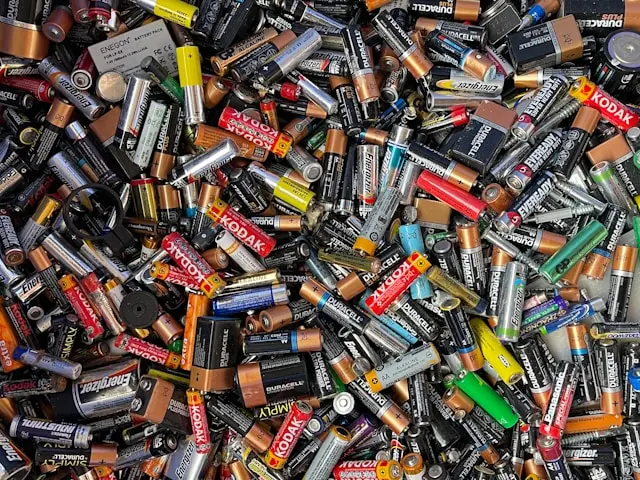
Electrical products can contain useful metals and other resources that can be recovered. Batteries can also contain substances that should not enter the environment, while some lithium-ion batteries can present a fire risk when incorrectly discarded.
Consumers have several recycling options. Many portable batteries can be taken to collection points at larger retailers that sell batteries. Waste electrical products can also be taken to household waste recycling centres.
Retailers have responsibilities for electrical take-back in certain circumstances too. For example, when buying a new electrical product, retailers must accept an old equivalent item for free on a like-for-like basis. So, when an old toaster, phone or other electrical product reaches the end of its life, avoid automatically putting it into the household bin.
Take Care With Larger Clear-Outs
Everyday household rubbish is one thing. Clearing a garage, replacing furniture or completing a home project can create a very different amount and mixture of waste.
Councils may provide services for some larger household items, while household waste recycling centres can accept various materials according to local arrangements. GOV.UK recommends checking your council's services to find out what household waste it collects and what other disposal options are available.
Householders have a duty to take reasonable steps to make sure their waste is passed to an authorised person. Giving household waste to someone who is not legally allowed to take it can result in a penalty. This matters when paying for private waste removal as much as it does when arranging a large clear-out.
A very cheap collection from an unknown waste carrier might look appealing, but responsible disposal means knowing your rubbish is being taken away legally.
Make Waste Sorting Convenient
Good intentions are much easier to maintain when the system at home is simple.
If your recycling container is outside, but the general waste bin is next to the kitchen worktop, recyclable items can easily end up in the wrong place. Consider creating a convenient recycling area inside the home. Depending on your local collection system, this could include space for dry recycling, food waste and general rubbish, with separate storage elsewhere for items such as batteries.
The exact setup matters less than making it easy for everyone in the household to understand. This can be especially helpful in a busy family home. Clear containers or simple labels can remove the need to think about the correct destination every time something is thrown away.
The easier a greener habit becomes, the more likely it is to become part of everyday life.
Think Differently About Bigger Household Projects
Moving home, redecorating or clearing a property can produce much more waste than an ordinary week. Planning ahead can prevent everything from being treated as one large pile of rubbish.

Before arranging disposal, separate items that can still be reused. Furniture might be sold or donated. Unopened or usable materials may be useful elsewhere. Metal, timber, electrical items and other materials may have suitable recycling routes.
Some household waste needs particular care. GOV.UK lists oils, paints, electrical items, scrap metal and materials from home projects among the types of waste that may arise from households. Local councils can provide information about appropriate services for different materials.
Sorting before removal can make it easier to identify what genuinely needs disposing of and what may still have another use.
Domestic Waste Is a Shared Responsibility
Householders do not have the same waste management responsibilities as businesses, and ordinary household rubbish is normally managed through services provided or arranged by local councils. However, that does not mean responsibility ends when rubbish leaves the front door.
Householders are still expected to make sure that, when they transfer their waste to somebody else, that person is authorised to take it. Beyond legal responsibilities, there is also a practical opportunity for every household to reduce its environmental impact.
We control many of the decisions that eventually create waste: what we buy, how much we buy, how long we keep it and what we do when we no longer need it.
Build Greener Habits Gradually
A sustainable home does not need to be a waste-free home.
Trying to change everything at once can make greener living feel much harder than it needs to be. Instead, start with changes that suit your household.
Plan a few meals before the weekly shop. Keep reusable shopping bags somewhere you will remember them. Find a convenient place for recycling. Repair something instead of replacing it. Donate clothes that still have plenty of life left in them. Keep batteries out of the general rubbish.
Once those actions become normal, look for the next improvement. Sustainable domestic waste management is ultimately about making better use of the things we already have and thinking more carefully about what happens when we no longer need them.
Prevent waste where possible. Reuse and repair what you can. Recycle through the correct collection. Keep electrical and other unsuitable items out of general rubbish. And when you need help removing larger quantities of household waste, make sure it is handled responsibly. A few sensible changes around the home can mean fewer useful materials being thrown away, less unnecessary rubbish and a household that makes better use of its resources.
That is a greener approach to waste which does not require a complete change of lifestyle, just better decisions about what goes into the bin in the first place.
Need a helping hand with household waste? Contact Welcroft Lee Logistics to learn more about our domestic waste removal services, from general household clear-outs to responsible disposal of larger items, and find the right collection option for your needs.