Stay compliant with Commercial Waste Rules Every Business Should Know. Manage waste effectively to ensure safety, reduce costs, and protect your reputation.
Why Commercial Waste Rules Matter
Commercial waste rules are in place to ensure waste is handled safely and responsibly. For businesses, following these rules is not optional. It is a legal requirement that helps protect the environment and public health. Proper waste management reduces the risk of pollution and ensures materials are disposed of in the correct way. It also helps businesses maintain clean and safe working environments.
Ignoring these rules can lead to fines, legal action, and damage to a company’s reputation. Even small mistakes can have serious consequences if waste is handled incorrectly. Understanding waste rules also helps improve efficiency. It allows businesses to organise waste properly, reduce unnecessary disposal, and improve recycling rates. By following the correct procedures, businesses can operate responsibly while keeping their premises safe, organised, and compliant with current regulations.
Who Is Responsible for Commercial Waste?
Responsibility for commercial waste always sits with the business that produces it. This responsibility does not end once the waste leaves the premises. It continues until the waste has been properly collected, transported, and disposed of by authorised parties. This is known as the duty of care and applies to all businesses, regardless of size or industry.
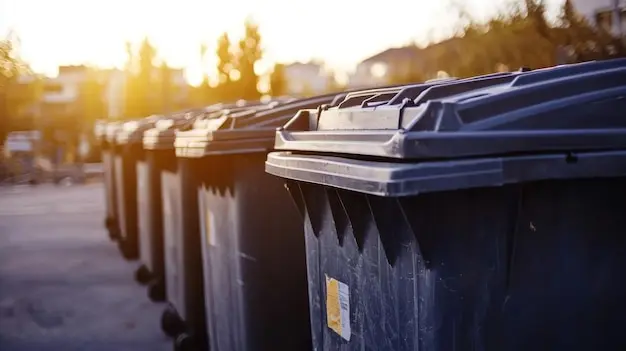
Business owners, managers, or appointed staff members are usually responsible for ensuring that waste is handled correctly. This includes storing waste safely, separating it where required, and arranging for collection through approved services. It is important that everyone involved understands their role in the process.
Businesses must also check that any waste carrier they use is properly licensed. This can be done through official registers. Passing waste to an unlicensed carrier can result in serious penalties, even if it was done unknowingly.
Keeping records of waste transfers is another key responsibility. These records provide proof that waste has been handled correctly. By taking responsibility seriously, businesses can ensure their waste is managed safely, legally, and in a way that protects both people and the environment.
The Duty of Care for Businesses
The duty of care is a legal requirement that applies to all businesses that produce waste. It means taking all reasonable steps to ensure waste is managed correctly from the moment it is created until it is disposed of. This includes storing waste securely so it cannot escape or cause harm. Waste should be kept in suitable containers and handled carefully at all times.
Businesses must also ensure that waste is only passed to authorised and licensed carriers. It is important to check that these providers are properly registered before using their services. Waste must be described accurately when it is transferred. This helps ensure it is handled in the correct way during transport and disposal. Failing to meet the duty of care can lead to fines or legal action. Understanding and following this responsibility helps businesses remain compliant and maintain safe waste management practices.
Storing Commercial Waste Safely
Storing commercial waste safely is a key part of meeting legal requirements and protecting both people and the environment. Waste should always be stored in a way that prevents leaks, spills, or contamination. This reduces the risk of harm to staff, customers, and nearby areas.
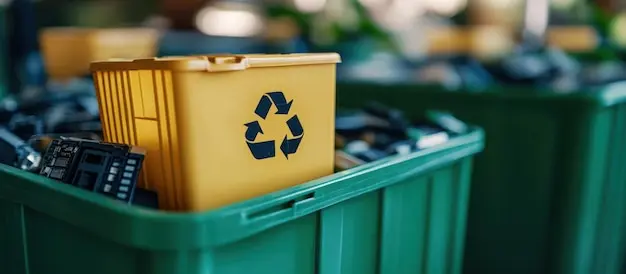
Businesses should use suitable containers for each type of waste. These containers must be strong, clearly labelled, and appropriate for the materials they hold. For example, hazardous waste may require sealed containers, while general waste can be stored in standard bins. Keeping waste contained properly also prevents it from being blown away or spread.
Waste storage areas should be kept clean and organised at all times. Overfilled bins can create hazards and attract pests, while poorly maintained areas may lead to accidents or unpleasant conditions. Regular checks help ensure waste is stored correctly.
It is also important to position storage areas in accessible locations. This makes collection easier and reduces disruption to daily operations. Safe storage supports compliance, improves workplace safety, and helps maintain a clean and professional environment.
Separating Waste Correctly
Separating waste correctly is an important part of commercial waste management. It ensures that materials are handled in the right way and allows recyclable items to be processed properly. Businesses should use clearly labelled bins for different types of waste. This may include general waste, recycling, food waste, and hazardous materials. Keeping these separate helps reduce contamination and improves efficiency.
When waste is mixed incorrectly, it can prevent recycling and increase disposal costs. It may also lead to non compliance with regulations. Staff should be given clear guidance on how to separate waste. Simple instructions and visible bin labels can make this process easier to follow.
By separating waste properly, businesses can improve recycling rates, reduce waste sent to landfill, and ensure they are meeting legal requirements in a simple and effective way.
Using Licensed Waste Carriers
Using licensed waste carriers is a legal requirement for any business that produces commercial waste. A licensed carrier is authorised to collect, transport, and dispose of waste in line with current regulations. Choosing the right provider helps ensure waste is handled safely and responsibly. Before working with a waste carrier, businesses should check that they are properly registered. This can be done through official government registers. Using an unlicensed carrier can lead to serious consequences, including fines and legal action, even if the business was unaware.
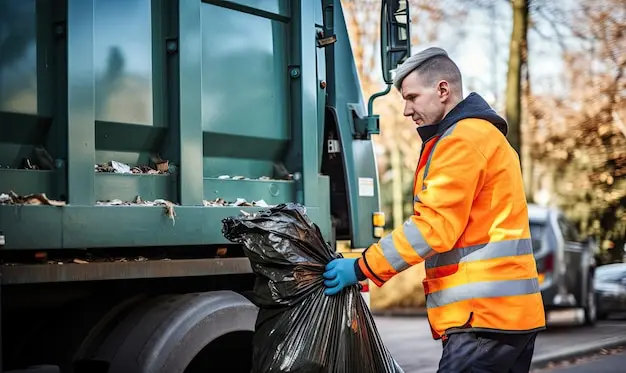
Licensed carriers follow strict guidelines when handling waste. This includes safe transport, correct disposal methods, and compliance with environmental standards. This reduces the risk of illegal dumping or harm to the environment.
Businesses should also keep records of waste transfers. These records confirm that waste has been passed to a licensed provider and managed correctly.
By using authorised carriers, businesses can meet their legal obligations, reduce risk, and ensure their waste is dealt with in a safe and compliant manner at every stage.
Keeping the Right Waste Records
Keeping accurate waste records is an important part of compliance. These records show that a business is managing its waste correctly and following legal requirements.
Waste transfer notes are commonly used when waste is collected. These documents include details about the type of waste, how much there is, and who is handling it. Businesses are required to keep these records for a set period. This allows them to provide proof if needed during inspections or checks.
Good record keeping also helps track waste levels and improve management over time. It provides a clear overview of how waste is handled within the business. By maintaining proper records, businesses can demonstrate responsibility, stay organised, and ensure they are meeting their legal obligations at all times.
Rules for Recycling Commercial Waste
Recycling rules for commercial waste are designed to ensure that recyclable materials are separated and processed correctly. Many businesses are required to separate materials such as paper, cardboard, plastics, and metals from general waste. This helps reduce landfill use and supports environmental goals.
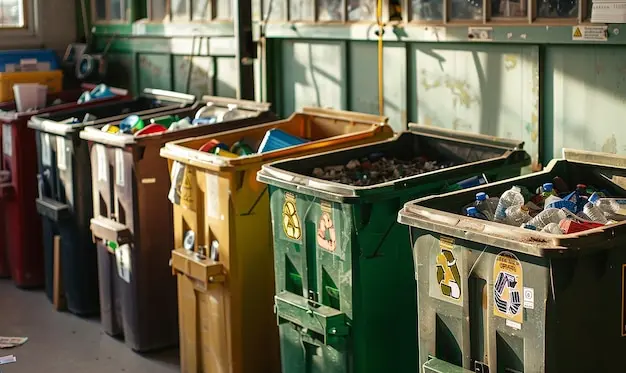
Providing clearly labelled bins is essential for effective recycling. Staff should understand which materials can be recycled and how to dispose of them correctly. This reduces the risk of contamination, which can make recycling loads unusable.
Some waste providers or local authorities may have specific recycling guidelines. It is important to follow these rules to remain compliant.
Regular collection is also important to prevent overflow and maintain cleanliness. By following recycling rules, businesses can reduce waste disposal costs, improve efficiency, and demonstrate a commitment to responsible waste management.
Food Waste Rules for Businesses
Food waste rules are especially important for businesses that prepare, sell, serve, or handle food. This includes restaurants, cafes, pubs, hotels, shops, caterers, and many workplaces with kitchens. Food waste often needs to be managed separately from other waste types so it can be collected and treated in the right way.
Keeping food waste apart helps reduce smells, leaks, and pest problems. It also stops food from contaminating dry recycling such as paper, card, and plastics. Businesses should use suitable containers, empty them regularly, and keep storage areas clean.
Depending on the location and type of business, there may be specific requirements around food waste separation and collection. This is why businesses should understand the rules that apply to their site and work with a suitable collection service. Good food waste management supports hygiene, keeps premises in better condition, and helps businesses meet environmental expectations. It also makes daily operations easier by creating a cleaner and more organised waste system overall.
Hazardous Waste Regulations
Hazardous waste regulations apply to waste that can cause harm to people or the environment if it is not handled correctly. This type of waste can include chemicals, oils, solvents, batteries, fluorescent tubes, certain paints, cleaning products, and other dangerous materials. Businesses that produce hazardous waste must manage it with extra care.

Hazardous waste should be identified clearly and stored separately from other waste streams. It must be kept in suitable containers that reduce the risk of leaks, spills, or reactions with other substances. Staff should understand what hazardous waste is present on site and how it should be handled safely.
Collection and disposal must be carried out by authorised providers with the right expertise. Records are especially important for hazardous waste because businesses may need to show what the waste was, how it was stored, and where it went.
Failing to follow hazardous waste rules can lead to serious safety risks, environmental harm, and enforcement action. Strong controls, proper training, and clear procedures all help businesses stay compliant and reduce the risks linked to dangerous waste materials in daily operations.
Electrical Waste Disposal Rules
Electrical waste disposal rules apply to items such as computers, printers, screens, cables, appliances, tools, and other equipment that runs on electricity or batteries. These items should not be put in general waste because they often contain materials that need specialist treatment. Some electrical items include valuable materials that can be recovered through proper recycling. Others may contain hazardous parts that must be handled carefully to prevent harm to people or the environment. This is why electrical waste usually needs separate collection.
Businesses should store electrical waste safely until it is collected. Damaged items may need extra care, especially if there is a risk of broken parts, leaking batteries, or exposed components. Using a suitable authorised provider is important. Following electrical waste rules helps businesses avoid unlawful disposal, improve recycling, and manage old equipment responsibly. It also supports data security where devices may hold information and reduces environmental impact in a practical way.
Managing Confidential Waste Properly
Managing confidential waste properly is vital for any business that handles sensitive information. Confidential waste can include paper files, printed emails, invoices, customer details, employee records, medical information, contracts, and other documents that should not be seen by the wrong people. If this waste is thrown away carelessly, it can lead to serious problems.

The main aim is to keep confidential material secure until it is destroyed. This usually means using locked bins, restricted access storage, or a secure shredding service. Staff should know which documents count as confidential waste and where they should go.
Businesses should not place confidential material in general waste or ordinary recycling bins. Doing so increases the risk of data loss, identity fraud, and breaches of privacy rules. In some cases, it may also create legal consequences.
A clear confidential waste system protects information, supports trust, and helps the business meet its wider responsibilities. Good handling shows care, reduces risk, and keeps sensitive records from falling into the wrong hands at any stage.
Commercial Waste Rules for Different Business Types
Commercial waste rules apply to all businesses, but the exact waste arrangements often vary depending on the type of work being done. A restaurant, office, warehouse, salon, medical practice, and construction site may all face different risks and produce very different waste streams.
For example, a restaurant may need strong controls for food waste, glass, and packaging. An office may focus more on paper, card, and confidential waste. A garage may need to deal with oils, batteries, and other hazardous materials. A building site may produce large amounts of mixed construction waste.
Because of these differences, businesses need waste systems that match what they actually produce. The basic legal duties still apply, but the practical steps may not look the same from one business to another. Understanding the waste profile of a specific business helps improve compliance, safety, and efficiency. It also makes it easier to choose the right bins, storage methods, and collection services for the site.
What Happens if a Business Breaks the Rules?
If a business breaks commercial waste rules, the consequences can be serious. The outcome will depend on what went wrong, how severe the breach was, and whether it created risk or harm. In some cases, a business may receive advice or a warning first. In others, it may face formal enforcement action.
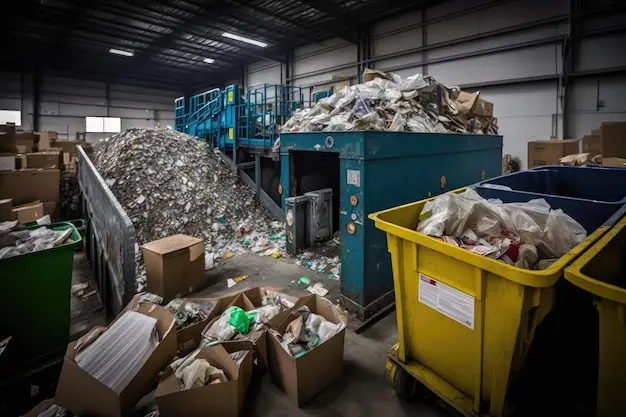
Possible consequences include fines, prosecution, and orders to correct the problem. Illegal disposal, failure to use licensed carriers, poor storage of hazardous waste, or missing records can all lead to trouble. Where waste failures affect health, safety, or the environment, enforcement may be more severe.
There can also be wider business impacts. Poor waste management can damage reputation, upset customers, affect staff confidence, and disrupt operations. A messy or unsafe waste area can create daily practical problems, from smells and pests to blocked access and fire risks.
Following the rules is usually far easier and less costly than dealing with the consequences of getting things wrong. Strong systems, clear checks, and staff awareness all help reduce the chance of avoidable breaches before they become serious issues.
How to Stay Compliant With Commercial Waste Rules
Staying compliant with commercial waste rules starts with understanding what waste your business produces and what legal duties apply. Once that is clear, the next step is to create a simple system that staff can follow every day. The best waste systems are usually the ones that are clear, practical, and easy to maintain.
Businesses should use suitable bins, label them properly, separate waste correctly, and store everything safely. They should also choose licensed waste carriers, keep the right records, and review arrangements regularly to make sure they still work.
Staff training is also important. People need to know which waste goes where, what needs extra care, and who to speak to if something is unclear. Regular checks help catch problems early before they become larger compliance issues. Good compliance is really about consistency. When waste is managed properly every day, businesses reduce risk, stay organised, and meet their responsibilities in a more confident and reliable way.
Are you looking for commercial waste removal in Eastbourne? We understand the importance of a tidy workspace for productivity and health. Contact our business waste collection service for rubbish removal in Eastbourne, Brighton and Hastings.