Learn about common decking problems and how to fix them. This guide can help homeowners protect their outdoor space and deal with issues such as rot, warping, loose fixings and more. With the right maintenance and a bit of time, most decking problems can be managed before they lead to long-term damage.
Warped or Cracked Deck Boards
Warped or cracked deck boards are one of the most common decking problems, especially with timber decking exposed to wet and dry weather. When wood absorbs moisture from rain and then dries out, it expands and shrinks, which can lead to warping, splitting, and uneven gaps between boards.
Composite decking is often seen as a high-quality alternative, but even composite decking can suffer if the boards are not installed in the right way. A lack of spacing, poor airflow, or incorrect fixings can all increase the risk of movement over time.
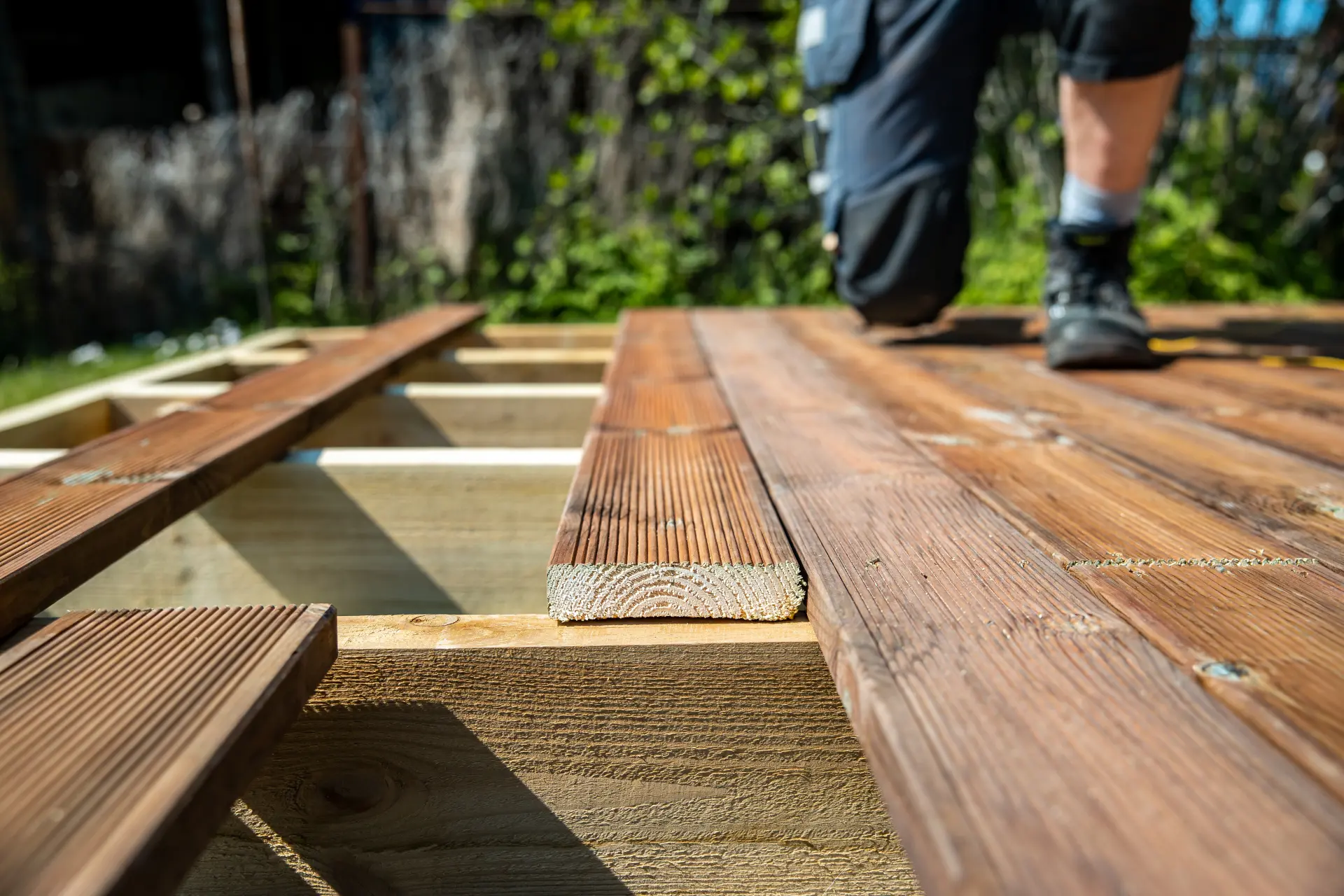
It is important to check the surface regularly. If you find minor warping, you may be able to remove the board, turn it over, and refit it using corrosion-resistant screws instead of nails. Always ensure the screws are placed in a straight line along the joists for a secure fit.
For damaged boards with deep cracks or twists, the best option is to replace them. Carefully remove the old board, check the joists underneath for signs of rot or moisture, and install new decking boards with proper gaps for drainage. This will help protect the structure and reduce future issues.
Rotting or Decayed Wood
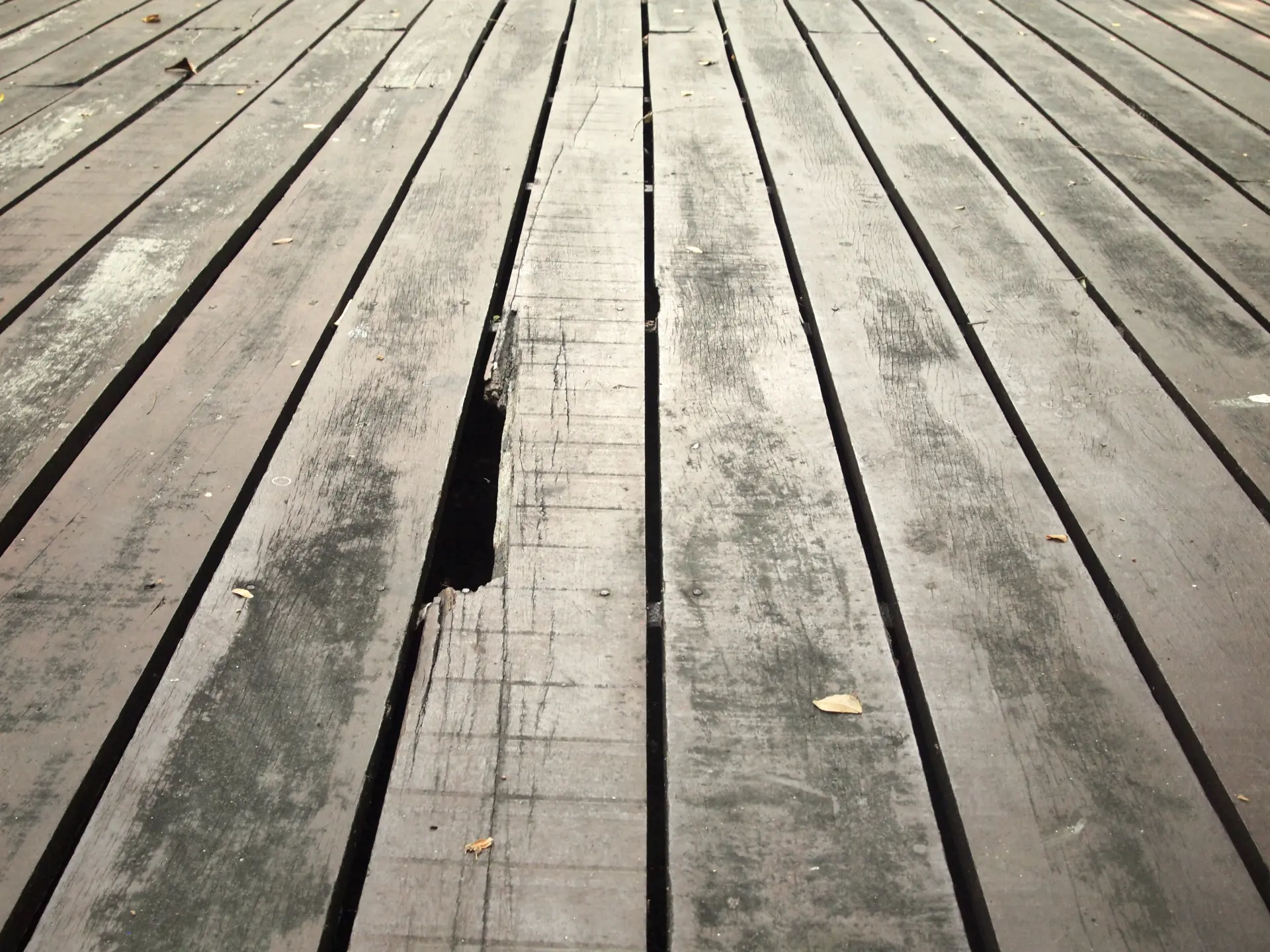
Rot is a serious problem for timber decking and can affect both the boards and the structure beneath. Constant exposure to moisture, poor drainage, and limited airflow can all lead to decay over time. Decking that sits too close to the ground or is shaded for most of the day is at higher risk.
Homeowners should check for soft spots, dark stains, or boards that break apart easily. These are clear signs that the wood has started to rot. It is important to act quickly, as rot can spread to joists, posts, and other structural elements.
To fix this problem, damaged boards should be removed and replaced with pressure-treated timber. If the joists or posts show signs of decay, they will also need to be replaced to ensure the deck remains safe. In some small cases, a wood hardener or filler can be used, but this is only a short-term fix.
Applying protective products such as sealers or stains can help prevent future rot. Regular maintenance will also reduce the risk and extend the life of your decking.
Loose or Failing Fixings
Loose screws, nails, and other fixings are another common decking issue. Over time, weather changes and regular use can cause fixings to loosen, which may lead to unstable boards or railings. This can become a safety risk if left unchecked.
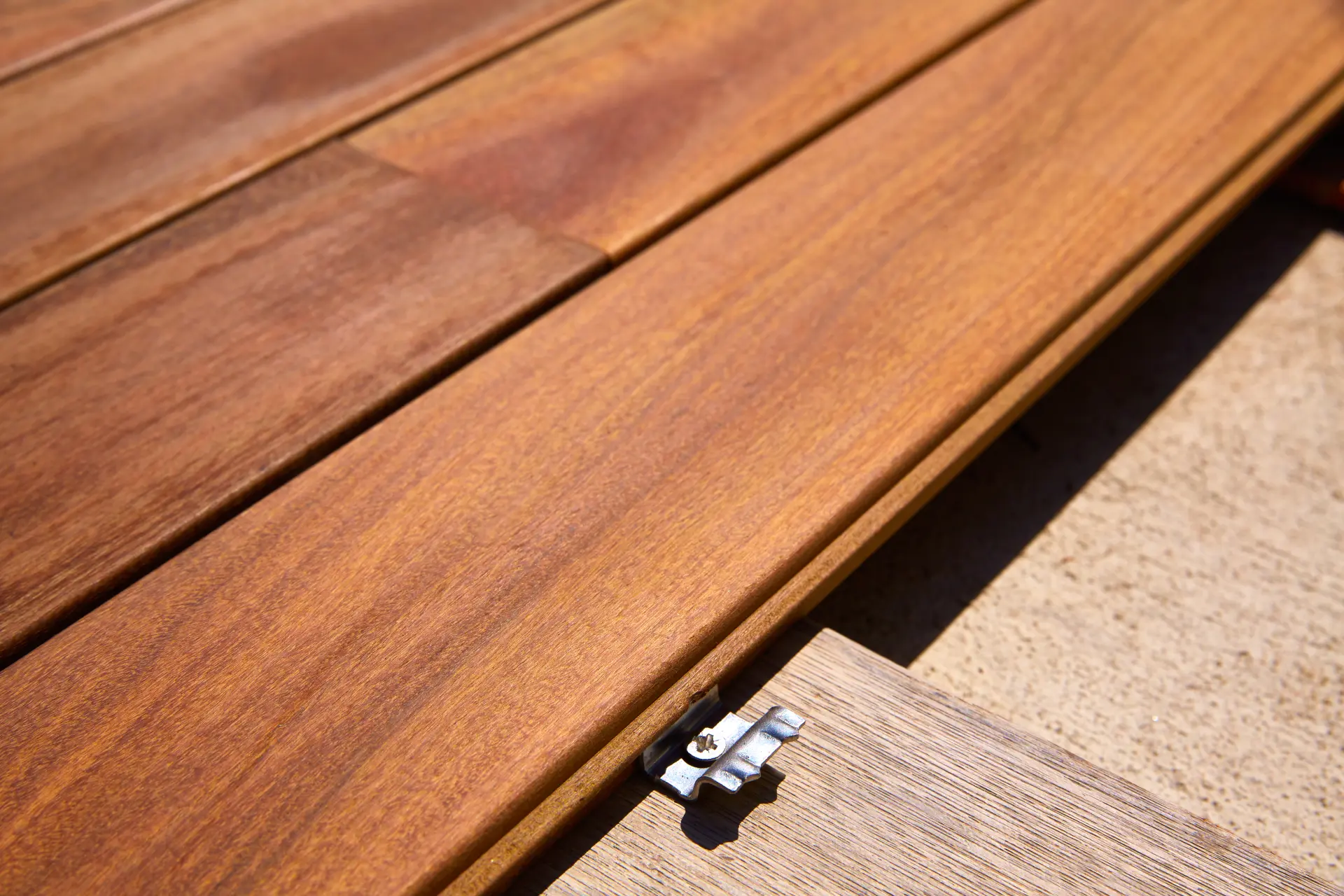
Start by checking all visible screws and nails across the deck surface. If you find any that have lifted or rusted, remove them and replace them with stainless steel or galvanised screws. These are more resistant to moisture and will last longer.
It is also important to ensure that all fixings are properly secured into the joists. If a board no longer holds a screw in place, it may need to be replaced. Taking the time to upgrade your fixings can make a big difference to the overall strength of the deck.
Wobbly or Unstable Railings
Unstable railings can make a deck feel unsafe and are often caused by weak connections or damaged posts. Changes in weather can cause timber to move, which may loosen the fixings that hold the railing in place.
To find the problem, gently shake the railing and observe where the movement comes from. If the posts are loose, check their base and the connection to the frame. If only a small section moves, the issue may be with brackets or individual boards.
To fix this, replace old nails with strong screws or bolts and tighten all connections. Adding extra support between joists can help stabilise the posts and improve the overall structure. Ensuring everything is secure will make the deck safer for everyday use.
Mould, Mildew and Algae Growth
Mould and algae are very common decking problems in damp environments. They thrive in shaded, wet areas and can quickly spread across the surface, making it slippery and unsafe.
Start by removing leaves, dirt, and debris from the decking boards. This will help you clean the surface more effectively. Use a suitable decking cleaner and scrub the boards to remove any growth. Rinse thoroughly and allow the deck to dry.
To prevent mould from returning, ensure proper drainage and airflow. Keep gaps between boards clear so water can drain away. Trimming nearby plants and allowing more sunlight onto the deck can also help reduce moisture levels.
Regular cleaning is the key to keeping your outdoor space safe and looking its best.
Poor Drainage and Standing Water
Water that does not drain properly can cause several decking problems, including rot, mould, and warping. Poor drainage often occurs when gaps between decking boards become blocked or when the deck is not installed with a slight slope.
It is important to check that water can move freely across the surface and away from the structure. Clear out any debris from the gaps and ensure that the ground below the deck allows water to drain.
If needed, small adjustments can be made to improve drainage, such as increasing spacing between boards or improving the base. Taking action early will help protect the decking from long-term damage.
Faded or Worn Decking Surface
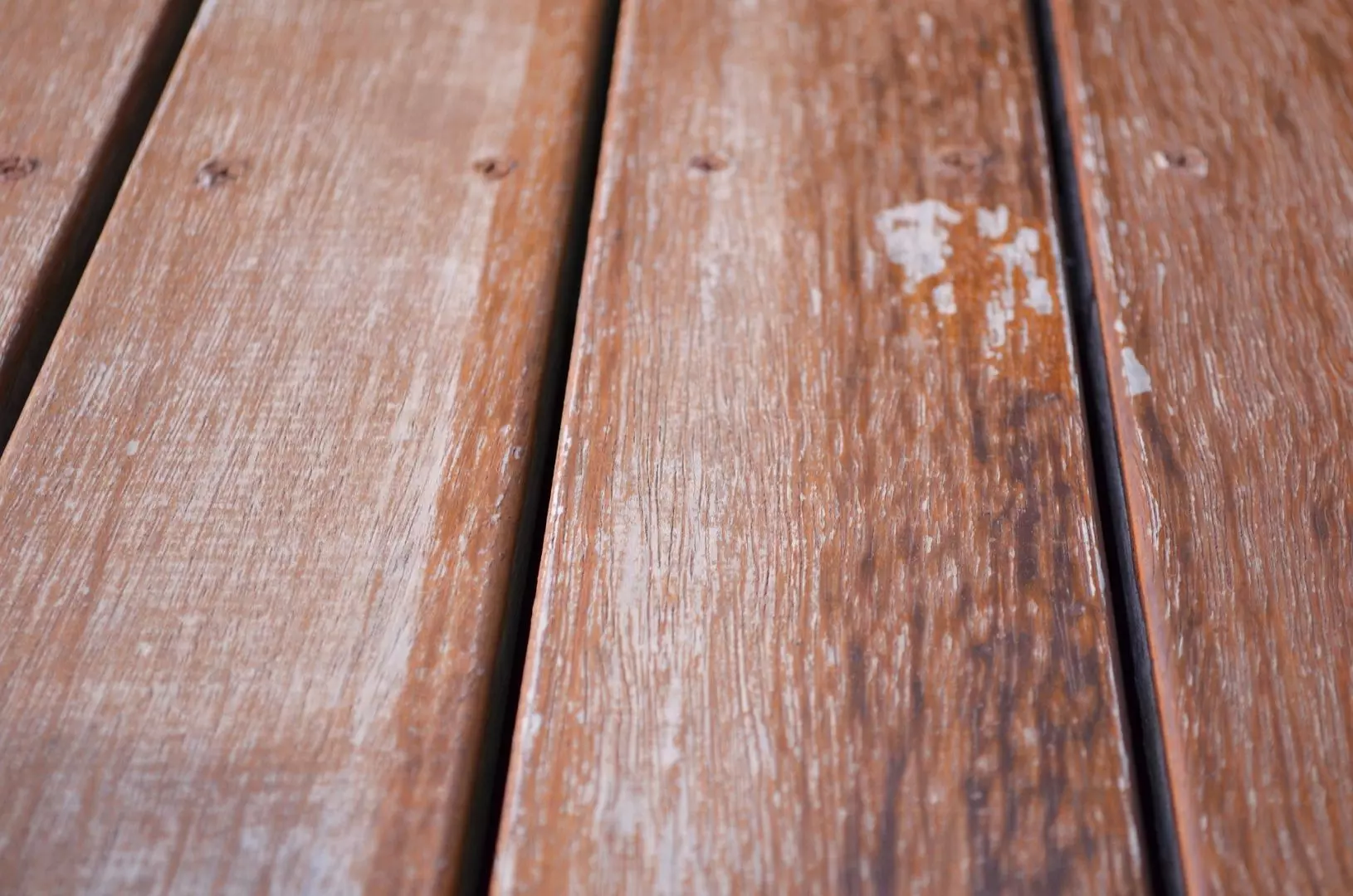
Over time, exposure to sunlight and weather can cause decking to lose its colour and finish. This is a common issue for both timber decking and composite decking, although timber tends to fade more quickly.
To restore the deck's appearance, start by cleaning it thoroughly. Once it's dry, apply a high-quality stain or protective coating. This will help protect the wood from moisture and UV damage while improving its look.
Regular reapplication of these products is recommended as part of ongoing maintenance. This simple step can make a big difference in keeping your decking looking fresh.
Structural Movement and Weak Support
Some decking problems go beyond the surface and affect the overall structure. Movement in the frame, loose joists, or sinking posts can lead to uneven boards and unsafe conditions.
Check the deck for any signs of movement when walked on. If you notice dips or shifting, inspect the joists and support posts. These should be firmly secured and free from rot.
Fixing structural issues may require more work, including replacing damaged timber or reinforcing the frame. It is important to address these problems quickly to keep the deck safe for use.
Ongoing Decking Maintenance and Care
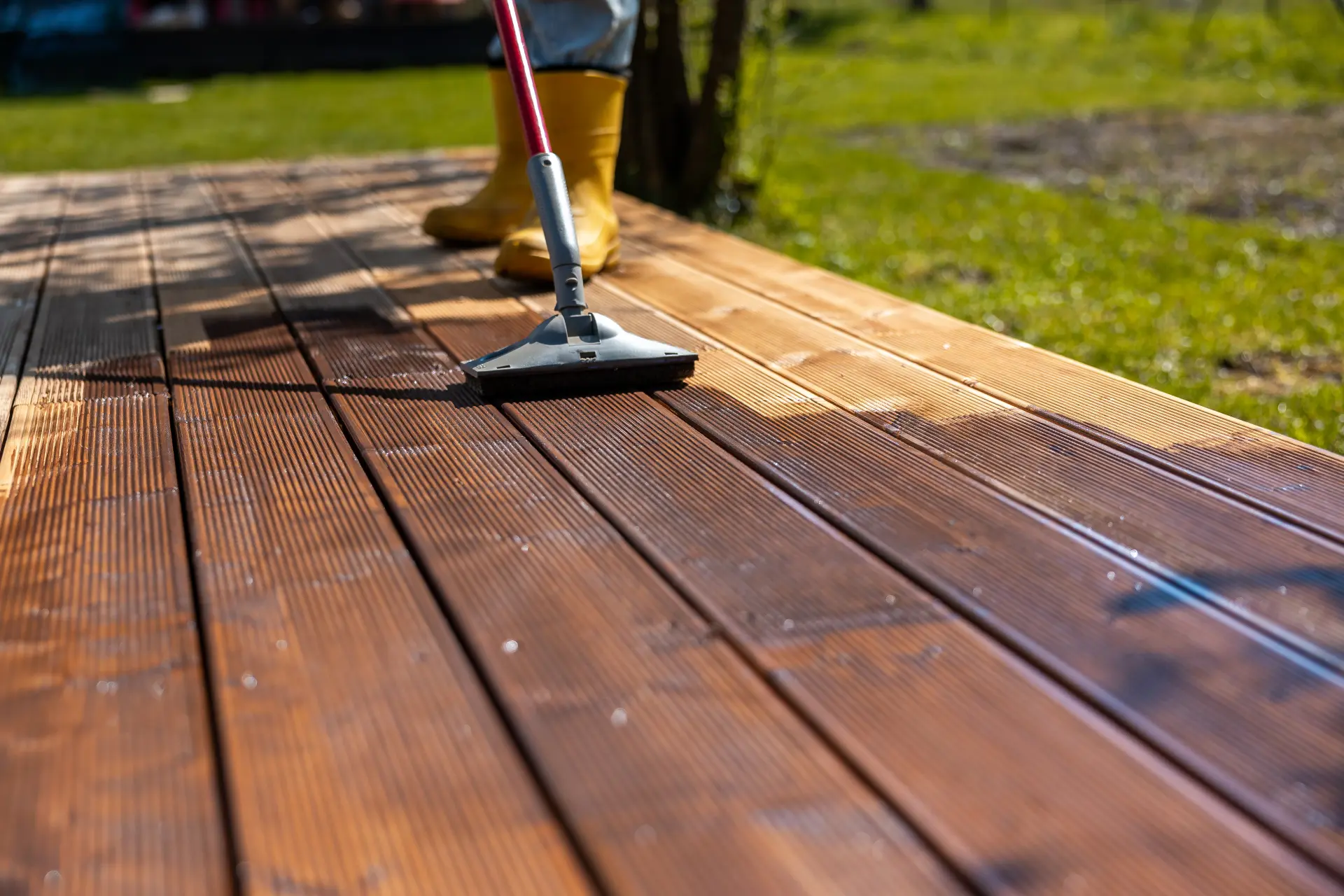
The best way to avoid common decking problems is through regular maintenance. Homeowners should clean their decking, check for damage, and apply protective treatments at least once or twice a year.
Keeping the surface clean, ensuring good airflow, and using the right products will help protect your deck from moisture and weather damage. Small issues should be fixed early before they turn into larger problems.
If you need more information or help with your decking project, it is always a good idea to get in touch with a professional. They can recommend the best approach and help ensure your deck remains safe and durable for years to come.
For further advice or support, feel free to contact us or leave your email address so our team can assist you.
At Welcroft Lee Logistics, we can repair warped boards, loose railings, sagging decking, and treat rotted decking. We constantly use durable and weatherproof materials to help keep your decking strong and beautiful all year round. From minor fixes to full replacements, we can keep your deck safe and durable. Find out more about decking repair in Eastbourne, Brighton & Hastings.