Learn about common mistakes in waste cardboard collection, from improper storage to mixing wastes, and find out how effective practices improve recycling efficiency.
Storing Cardboard the Wrong Way
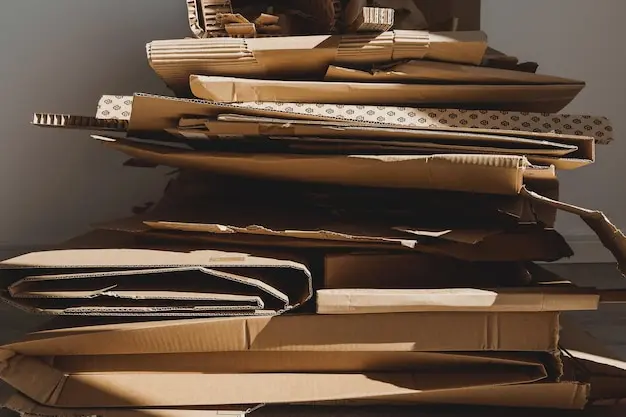
One of the most common mistakes in waste cardboard collection is storing cardboard in unsuitable places. It is often left in corridors, behind doors, near entrances or in corners where it slowly builds up over time. This may happen because staff are busy or because there is no clearly marked storage area. Even so, poor storage quickly turns cardboard from a recyclable material into a source of clutter and disruption.
Incorrect storage can also lead to damage that makes cardboard harder to recycle. When boxes are left outside or in damp conditions, they can absorb water and lose their strength. Wet cardboard may break apart, become mouldy or stick together, which can lower its quality and make collection more difficult. Storing cardboard in dry, sheltered conditions is important if it is to remain suitable for recycling.
Another problem with poor storage is the effect it has on the working environment. Large piles of cardboard take up valuable room and can block access to stock, equipment or fire exits. In busy business settings, this can slow down daily tasks and create frustration for staff. What should be a simple waste stream can become a constant obstacle when storage is not properly managed.
Poor cardboard storage also suggests a lack of control over waste handling in general. When waste is left scattered or stacked carelessly in corridors or outside properties, it can make the whole site look untidy and poorly run. This has an impact on the staff standards and may leave a negative impression on visitors or customers. A simple, organised storage system helps maintain order and supports better waste collection from the start.
Mixing Cardboard with Non-Recyclable Waste
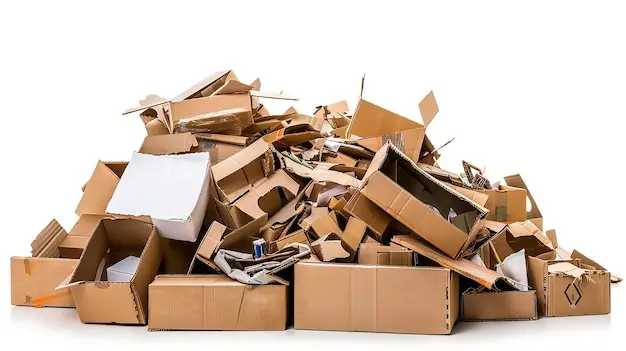
Another major mistake is mixing cardboard with waste that cannot be recycled. This often happens when cardboard is placed in general waste bins with food packaging, plastic wrapping, drink containers or damaged materials. Once clean cardboard becomes mixed with unsuitable waste, it may no longer be accepted for recycling. This reduces the amount of useful material that can be recovered and increases avoidable waste.
Contamination is one of the main reasons why recyclable cardboard is lost. For example, a cardboard box that has been soaked with liquid or covered in food waste may not be suitable for processing. In a busy setting, even a few careless actions can affect a larger batch of waste. This means good cardboard can be rejected simply because it was not kept separate from the start.

Mixing waste also makes collection and sorting more difficult for staff and waste handlers. Instead of dealing with a clean cardboard load, they are left with a mixture that takes more time and effort to manage.
This weakens the efficiency of the whole waste process. A clear separation system is essential if cardboard collection is to be straightforward and effective.
There is also a wider environmental cost when cardboard is mixed with non-recyclable waste. Material that could have been reused is instead treated as rubbish and sent for disposal.
This increases pressure on landfills and leads to a less responsible use of resources. Keeping cardboard separate is one of the simplest and most important ways to protect the value of recycling.
Failing to Prepare Cardboard for Collection
A frequent mistake in waste cardboard collection is failing to prepare the material before it is collected. Many people throw away whole boxes without flattening them, which wastes space and leads to containers filling up more quickly. In places where a large amount of cardboard is produced, this can become a serious problem. Unprepared cardboard creates bulk, reduces storage efficiency and makes collections harder to manage.
Cardboard should also always be checked for any materials that need to be removed before a collection. Plastic inserts, foam, tape and other packaging parts are often left attached, even though they may not belong in the same recycling stream. When this happens, the cardboard load becomes less clean and harder to process. A few simple steps before disposal can greatly improve the quality of the material being collected.
Another issue you may run into is that people tend to assume all cardboard can be treated in exactly the same way. In reality, some items may be too damaged, too wet or too heavily contaminated to be collected with clean cardboard. If these unsuitable items are not identified, they can affect the rest of the load. Proper preparation includes making sensible checks so that only suitable cardboard enters the collection stream.
When cardboard is not prepared properly, the whole waste system becomes less efficient. Collections may need to happen more often because bins fill up faster, and waste handlers may need to spend extra time dealing with problems that could have been avoided. Preparation may seem like a small task, but it has a direct impact on your space, cleanliness and recycling success. Good preparation allows for a much smoother and more reliable collection process.
Poor Staff Awareness and Training
Poor staff awareness is another common reason why cardboard waste collections can sometimes go wrong. If employees are not told how cardboard should be handled, they are more likely to make mistakes such as using the wrong bins, leaving boxes unflattened or mixing materials together. These errors are often not caused by bad intentions. They happen because expectations are unclear or because waste handling has not been explained properly.
Training is important because cardboard collection is part of everyday workplace behaviour. Staff need to understand exactly where cardboard should go, how it should be prepared and why these steps matter. Without this knowledge, even a well-designed waste system may fail in practice. Clear guidance is also needed to help turn recycling from an afterthought into a normal part of the working day.
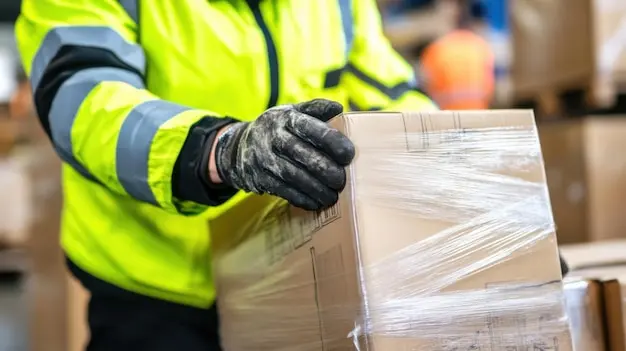
A lack of awareness can also lead to inconsistency between different teams or shifts. One group of staff may follow the process carefully, while another may ignore it or misunderstand it. This creates confusion and weakens the system as a whole. Consistent training helps everyone follow the same approach, which makes waste collection easier to manage and monitor.
Good staff awareness also supports wider responsibility across the workplace. When people understand the reason behind proper cardboard collection, they are more likely to take it seriously.
They begin to see how small actions, such as flattening boxes or keeping cardboard dry, make a real difference. Training does not need to be complicated, but it does need to be clear, practical and repeated often enough to build good habits.
Not Following Collection Guidelines
A further mistake is failing to follow the collection guidelines set by the waste provider or site management. These guidelines are usually there to make sure cardboard can be collected safely and recycled properly. They may include rules about how cardboard should be stacked, what should be removed and where it should be placed for collection. When these instructions are ignored, the process becomes less reliable and more likely to fail.
Not following guidelines can lead to missed collections or rejected loads. For example, if cardboard is presented in the wrong way or mixed with the wrong materials, the collection team may not be able to take it. This leaves waste behind and creates more pressure on storage areas. What could have been a routine collection then becomes a problem that affects the whole site.
Guidelines also exist to improve safety and efficiency. If cardboard is not bundled, stacked or stored correctly before collection, it may be awkward to move or become a hazard in busy areas. Collection staff need waste to be presented in a manageable and safe condition. Following the right process helps reduce risk for everyone involved and keeps operations running smoothly.
Ignoring collection guidelines usually points to a larger issue in waste management. It may suggest poor communication, weak supervision or a lack of attention to routine standards. As time passes, this can lead to repeated mistakes and lower recycling performance. Following the correct guidance may seem like a basic task, but it is one of the most important parts of a successful waste cardboard collection. It ensures that the efforts made in separating and storing cardboard are not wasted at the final stage.
If you're searching for an efficient cardboard collection service in Brighton, look no further than Welcroft Lee Logistics. We'll help you rid any cardboard boxes or waste on your property, transfer them, or provide any advice you need!