Discover common mistakes to avoid when installing a fence with this clear guide. A successful fencing project needs a detailed plan, the right materials, careful measurement, and a smooth installation process. When a fence is built correctly, it can improve privacy, security, aesthetic appeal, and the overall look of a garden. When mistakes happen, they can lead to costly repairs, expensive repairs, disputes, and a shorter lifespan for the entire fence.
Not Checking Property Boundaries
One of the most common mistakes when installing a fence is failing to confirm the correct property boundaries. Many people assume they know where their property lines are, only to find later that the fence line has been marked in the wrong place. This can result in a fence being built on a neighbour's property, across shared boundaries, or too close to areas where building is not allowed.
Before digging begins, check deeds, site plans, and any available property details. You should measure the length of the planned fence carefully and mark the corners before work starts. A string line can help create a straight fence line and show where the posts, panels, and gates will sit. Skipping this step can cause legal issues, fines, and costly disputes with neighbours.
It is also wise to speak to neighbours before starting the project. A short conversation can help avoid confusion and may even lead to shared cost if the new fence benefits both sides. If you are unsure about the boundaries, hiring a professional surveyor or professional installer can save time, money, and stress.
Ignoring Local Regulations and Planning Permission
Another mistake is failing to check local regulations before building a fence. In the UK, local authorities may have rules on fence height, placement, style, and visibility near roads. Zoning laws, planning permission, permits, and housing estate rules can all affect what you are allowed to build.
Before installation, contact the local council or planning office and request clear information. This is essential if the fence is near a road, beside a public path, or in a conservation area. Skipping this research can lead to fines, the need to remove the fence, or changes that cost thousands.
Local regulations may also cover how close the fence can be to utility lines, shared access routes, and neighbouring land. Checking these rules early helps ensure your fence meets the right standards and avoids common pitfalls that can delay the job.
choosing the Wrong Materials for Your Fence
Using the wrong materials is one of the most costly mistakes homeowners make. Fencing materials affect durability, appearance, maintenance, and long term stability. Cheap materials may seem attractive at first, but they can lead to rot, rust, warp, sag, and early damage.
A wood fence can offer a warm and attractive look, but wood needs regular maintenance. Untreated wood is prone to rot, pests, moisture damage, and warping. To protect a wood fence, use high quality materials, apply sealant, and follow good staining and sealing practices. Wood fence boards, rails, and posts should be designed for outdoor use and able to withstand strong winds, rain, and cold winters.
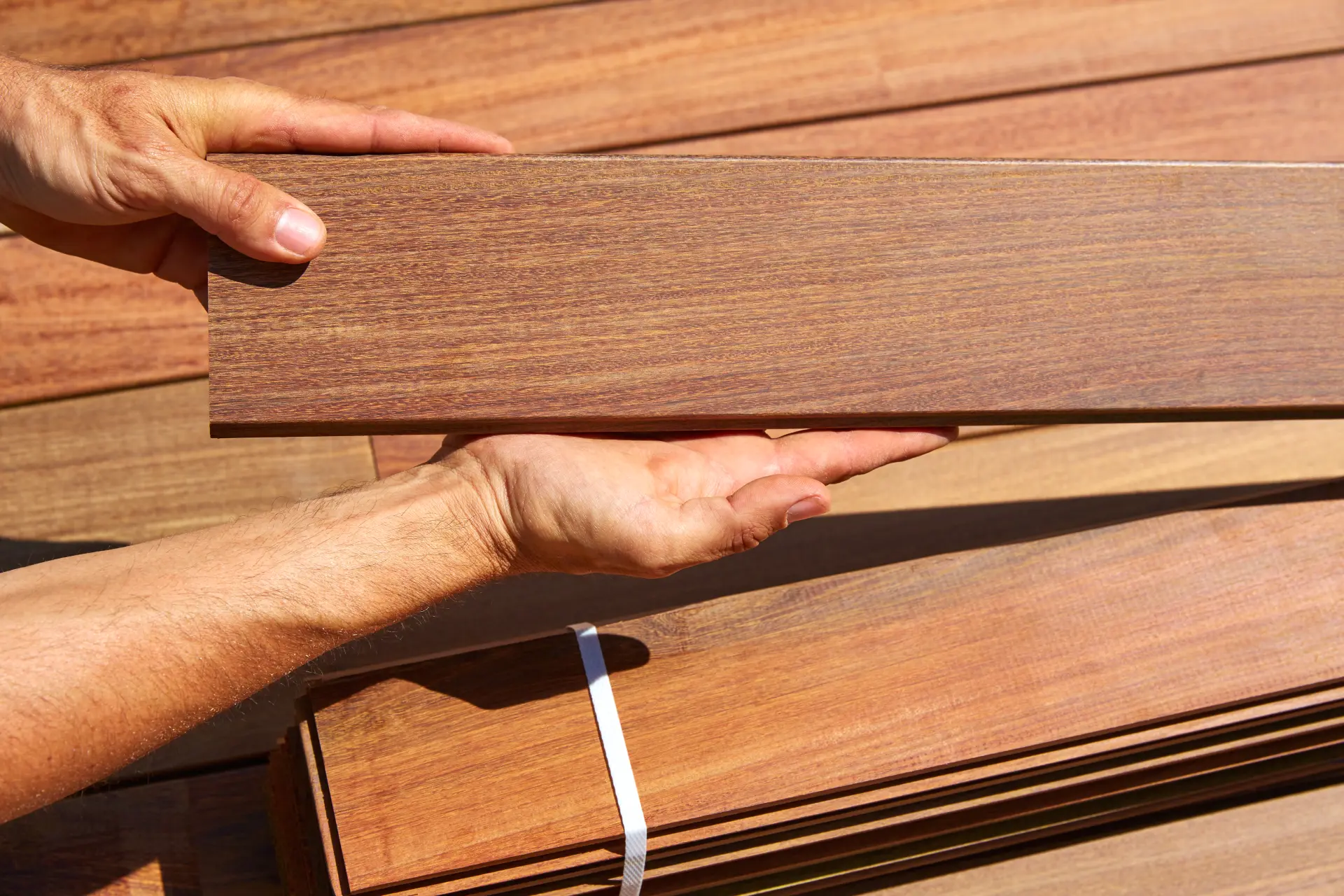
Composite fences are another option for people who want durability with less maintenance. Composite fence panels can offer a clean appearance and a wide range of colours. Composite fences are often designed to resist rot, fading, and moisture better than many wood options.
However, composite fences still need to be installed correctly, and you should always follow the manufacturer's guidelines. Composite fences can be a good choice when you want a functional fence with long term performance and reduced cleaning needs.
Metal and steel fencing materials can also work well in some cases, but they must be protected against rust. The best materials depend on your garden, weather conditions, budget, style, and the purpose of the fence. Choosing materials without accounting for these factors can compromise the structural integrity of the fence.
Poor Planning Before Installation
A fence installation should not begin without a detailed plan. Rushing into the project without knowing the layout, materials needed, tools, depth of holes, number of posts, and position of gates can create problems during the build.
A good plan should mark the fence line, property boundaries, post holes, gates, corners, and any slopes. It should also include the materials needed, such as fence posts, fence panels, fence boards, concrete, fixings, hardware, rails, and finishes. Preparing properly makes the installation easier and helps avoid gaps, weak sections, and an unprofessional result.
Planning also helps you work out the cost before you get started. Without a clear plan, the project can become more expensive because of wasted materials, wrong measurements, or changes during the installation. Taking time to prepare is one of the most critical steps for a strong and durable fence.
Not Checking Underground Utilities
A mistake that is often overlooked when installing a fence is failing to take ground conditions and drainage into account. The type of soil and the way water drains in your garden can affect how stable and long-lasting the fence will be.
For example, loose or sandy soil may not hold fence posts firmly, while clay soil can expand and contract based on the conditions of the weather, which puts extra pressure on the posts. Areas that collect water or have poor drainage can cause wooden posts to rot and metal posts to rust much faster. This weakens the fence over time and may lead to it leaning or collapsing.
To avoid these problems, check the ground conditions before starting work. In wet areas, you may need to use concrete or gravel as a foundation to improve stability and drainage. Selecting types of materials that resist moisture, such as pressure-treated wood or galvanised metal, would be wise, as these also help to protect your fence from damage.
Digging Post Holes Too Shallow

One of the most common installation mistakes is digging post holes that are too shallow. Fence posts are the backbone of the fence. If posts are not set deep enough, the fence may become weak, leaning, or unstable.
As a general guide, at least one third of each post should be below ground, although the correct depth will depend on fence height, soil type, weather conditions, and the design of the fence. In areas with cold winters, the post holes may need to go below the frost line to protect the foundation from movement.
Post holes should be deep, straight, and wide enough to hold enough concrete around each post. A shallow hole may save effort at first, but it can lead to instability, gaps, and expensive repairs later. Taking care with this step helps protect the structural integrity and long term stability of the fence.
Setting Posts Incorrectly
Fence posts must be set correctly if the fence is going to last. Posts should be plumb, level, and positioned along a level and string line. If the posts are uneven, the panels and boards may not fit properly, and the finished fence may look poor.
Use concrete to secure the posts and fill each hole properly. The concrete should support the post while still allowing water to drain away where needed. Too little concrete can make the post weak, while poor drainage around the base can lead to rot in wood posts.
Allow enough time for the concrete to set before attaching fence panels, fence boards, or gates. Skipping this waiting time can cause movement during the installation and may affect the final appearance of the fence.
Ignoring Uneven Ground and Slopes
Uneven ground can make fence installation more difficult. If you do not account for slopes, dips, and changes in level, the panels may leave gaps at the bottom or look uneven across the garden.
Before installing, check the ground carefully and decide whether the fence should follow the slope or step down in sections. The right method will depend on the style of fence, the type of panels, and the overall look you want to achieve. Adjusting the design before work begins helps create a neat, secure, and attractive finish.
Ground conditions also affect stability. Soft, wet, sandy, or clay ground may need extra support, deeper holes, more concrete, or different posts. Ignoring these conditions can lead to leaning, movement, and damage over time.
Poor Drainage Around the Fence
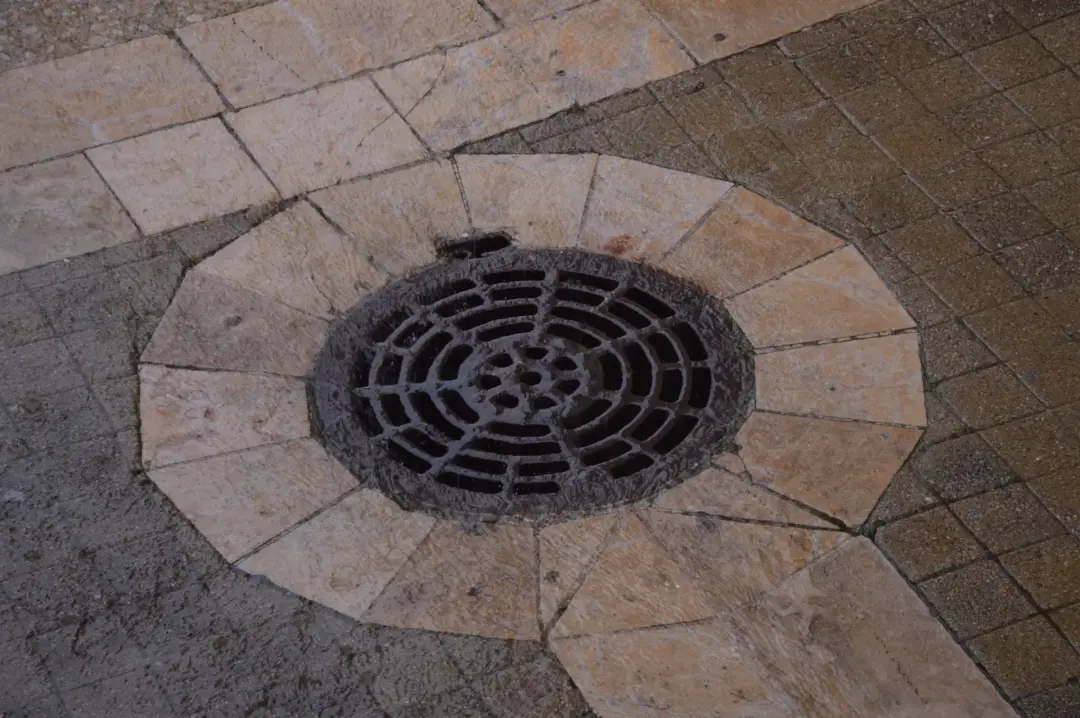
Water can cause serious damage to a fence if drainage is ignored. Wood posts and boards can rot, metal parts can rust, and panels can weaken if they sit in wet ground for long periods.
To avoid this, check how water moves through the garden before installation. Remove debris from the fence line and make sure water will not collect around the posts. In damp areas, gravel at the base of post holes can help drainage before concrete is added.
Good drainage is especially important for a wood fence. Regular staining, sealing, and cleaning will also help protect wood from moisture, wear, and tear. Neglecting maintenance can shorten the lifespan of the fence and lead to costly repairs.
Using Poor Quality Fixings and Hardware
Even strong materials can fail if the fixings are poor quality. Screws, nails, brackets, hinges, and latches hold the fence components together. If the hardware is weak or not designed for outdoor use, it may rust, loosen, or break.
Choose galvanised or stainless steel hardware where possible. This helps prevent rust and supports the durability of the fence. Gates need extra care because they move often and place more pressure on posts and hinges. If gates are not supported correctly, they can sag and become hard to use.
High quality materials are not only about panels and posts. Every small fixing matters. Good components help maintain the strength, safety, and appearance of the fence for years.
Poorly Fitted Fence Panels and Boards
Fence panels and fence boards need to be fitted with care. If panels are forced into place, placed too close together, or installed without allowing for expansion, they may warp, crack, or move out of position.
Wood boards can expand and shrink as weather conditions change. Leaving the correct gaps helps reduce stress on the fence and improves performance. Composite fence panels and composite fences may also need space for expansion, so always follow the manufacturer's guidelines.
Poor measurement can also create gaps at the ends of a run or around gates. Measure each section before cutting or fixing materials. This helps ensure your fence looks straight, neat, and professional.
Overlooking Maintenance
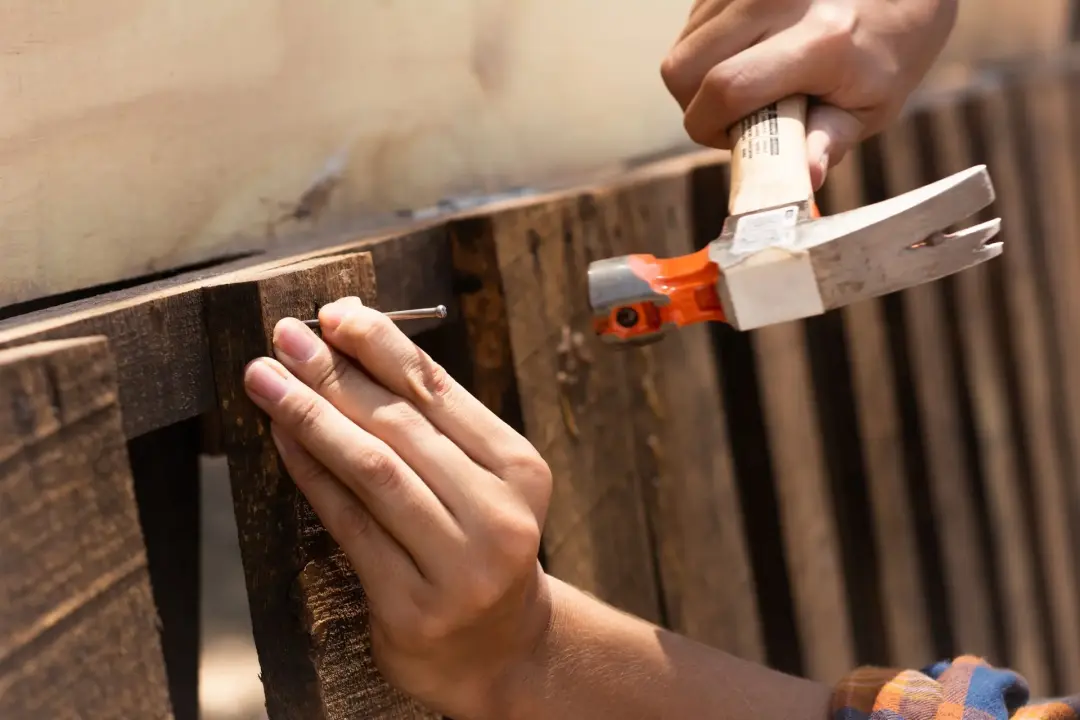
A fence is not finished forever once installation is complete. Regular maintenance is needed to protect the materials and maintain the appearance of the fence. This is especially true for a wood fence, which may need cleaning, staining, and sealing every few years.
Check the fence for signs of rot, rust, loose boards, damaged panels, leaning posts, and weak hardware. Address small issues early before they lead to bigger repairs. Cleaning away dirt, plants, and debris can also help protect the fence from moisture and pests.
Composite fences usually need less maintenance than wood, but they still benefit from cleaning and regular checks. Maintaining your fence helps protect its value, improve longevity, and keep the garden looking cared for.
Not Building for Weather Conditions
Weather conditions should guide your choice of materials and installation method. Strong winds, heavy rain, frost, and damp ground can all affect a fence. A tall fence in an exposed area needs strong posts, enough concrete, and suitable panels.
If the fence is in a windy area, avoid weak panels and shallow post holes. If the garden is often wet, choose materials that resist rot and rust. In areas with cold winters, check whether the frost line affects how deep posts should be set.
A fence should be designed to withstand the local conditions. Ignoring weather is one of the common mistakes that can lead to damage, movement, and a shorter lifespan.
Skipping Professional Help When Needed
Some people can build a simple fence themselves, but not every fencing project is suitable for a first time attempt. If the land is uneven, the fence line is long, the ground is difficult, or the design includes gates and slopes, it may be better to hire a professional.
A professional installer can help with measurement, materials, layout, post depth, and installation. Seasoned professionals will also know how to avoid common installation mistakes and follow best practices. Hiring help may cost more at the start, but it can save money by avoiding repairs and rework.
If you are unsure about planning permission, property lines, underground utilities, or structural integrity, consult a professional before starting. Hiring the right team can make the process safer, quicker, and more reliable.
Mistakes When Installing a Fence
Installing a fence takes more than placing posts and panels in the ground. The most common mistakes include skipping boundary checks, choosing the wrong materials, ignoring regulations, digging shallow holes, using weak fixings, and neglecting maintenance.
To ensure your fence is strong, attractive, and long lasting, start with a detailed plan, check local regulations, contact the right authorities, and choose quality materials. Take care with each step, from marking the fence line to setting posts, fitting boards, and applying protection.
A well built fence can enhance privacy, improve security, and add appeal to your property. By knowing the mistakes to avoid, you can build a fence that looks good today and continues to perform well for many years.
At Welcroft Lee Logistics, we're here to provide customers with a range of timber services, including fencing installations, repairs, and much more. If you're looking for a team of people who can help install and offer guidance for those undergoing fencing projects, give us a call today.