Learn how to avoid common mistakes when buying timber. Understand the importance of checking grades, treatment, sustainably sourced materials, and types of timber before you start your project.
Ignoring Timber Grades and Quality
One common mistake when buying timber is not checking the grade or overall quality of the wood. Timber is sorted into grades to show its strength, appearance, and the number of natural defects such as knots, splits, or cracks. These defects can affect how the timber will perform over time, especially in building or structural work.
Higher-grade timber is often smoother, stronger, and easier to work with, making it ideal for visible areas where a clean finish is important. Lower-grade lumber may cost less, but it can contain more knots, uneven edges, and weak points that may lead to problems later. For example, boards with too many defects may warp, crack, or even fail under pressure.
Make sure you check each piece before buying timber, as even within the same grade, quality can vary. Taking the time to choose carefully will help avoid waste and ensure a better result for your project in the long term.
Not Checking Moisture Content
Another common mistake is not checking the moisture level in the timber. Wood that holds too much moisture can shrink, twist, or warp after installation, which can ruin your hard work. This is especially important for indoor projects like flooring or furniture, where stability is essential.
Timber should be properly dried before use. If you are working on outdoor use projects such as decking or fencing, moisture levels still matter, as changes in weather can affect the boards over time. Always check if the timber has been kiln-dried or air-dried and make sure it suits your project.
Ignoring moisture can lead to costly problems, including gaps, movement, or even rot. Taking this into account early will save both time and money.

Not Checking if the Timber Is Treated
Another common mistake when buying timber is not checking if it has been treated. Treated timber is essential for outdoor use, as it helps protect the wood from rot, insects, and moisture. This is especially important for projects like decking, fencing, or garden structures.
Without treatment, timber used outside can quickly break down, leading to safety issues and extra cost. Treated boards are designed to last longer and perform better in damp conditions. Make sure you understand what treatment has been used and whether it is suitable for your project.
Choosing the right treated timber will provide better protection and help your build last for many years.
Choosing the Wrong Size or Length
Choosing the wrong size or length of timber is another common mistake that can lead to delays and extra cost. If boards are too short, you may need to join pieces together, which can weaken the structure and affect the finish. If they are too long, you may end up cutting off large sections, leading to unnecessary waste.
Before you buy, take time to plan your project and measure carefully. Make sure the timber you choose matches the size you need. This will make the building process easier and help avoid problems during installation.
Checking sizes in advance also helps you stay on budget and avoid buying extra materials later.
Failing to Plan for Waste or Offcuts
A common mistake when buying timber is not planning for waste or offcuts. When cutting wood to size, there are always pieces left over, and some parts may need to be removed due to defects like knots or rough ends.
If you only buy the exact amount needed, you risk running out before the project is complete. This can slow down your work and lead to extra trips to buy more timber, often at a higher price.
Make sure you allow extra for waste, usually around 10 percent. This gives you enough material to work with and helps keep your project running smoothly from start to finish.
Forgetting to Check If It’s Sustainably Sourced
Another mistake people make when buying timber is forgetting to check if it is sustainably sourced. Responsible sourcing helps protect forests and ensures that wood is produced in a way that supports the environment.
Look for certification labels such as FSC or PEFC when buying timber. These show that the wood has been sourced responsibly. Making this choice helps reduce environmental damage and supports better forestry practices.
It is a simple step, but it can make a big difference in the long term.
Not Understanding the Type of Timber Needed
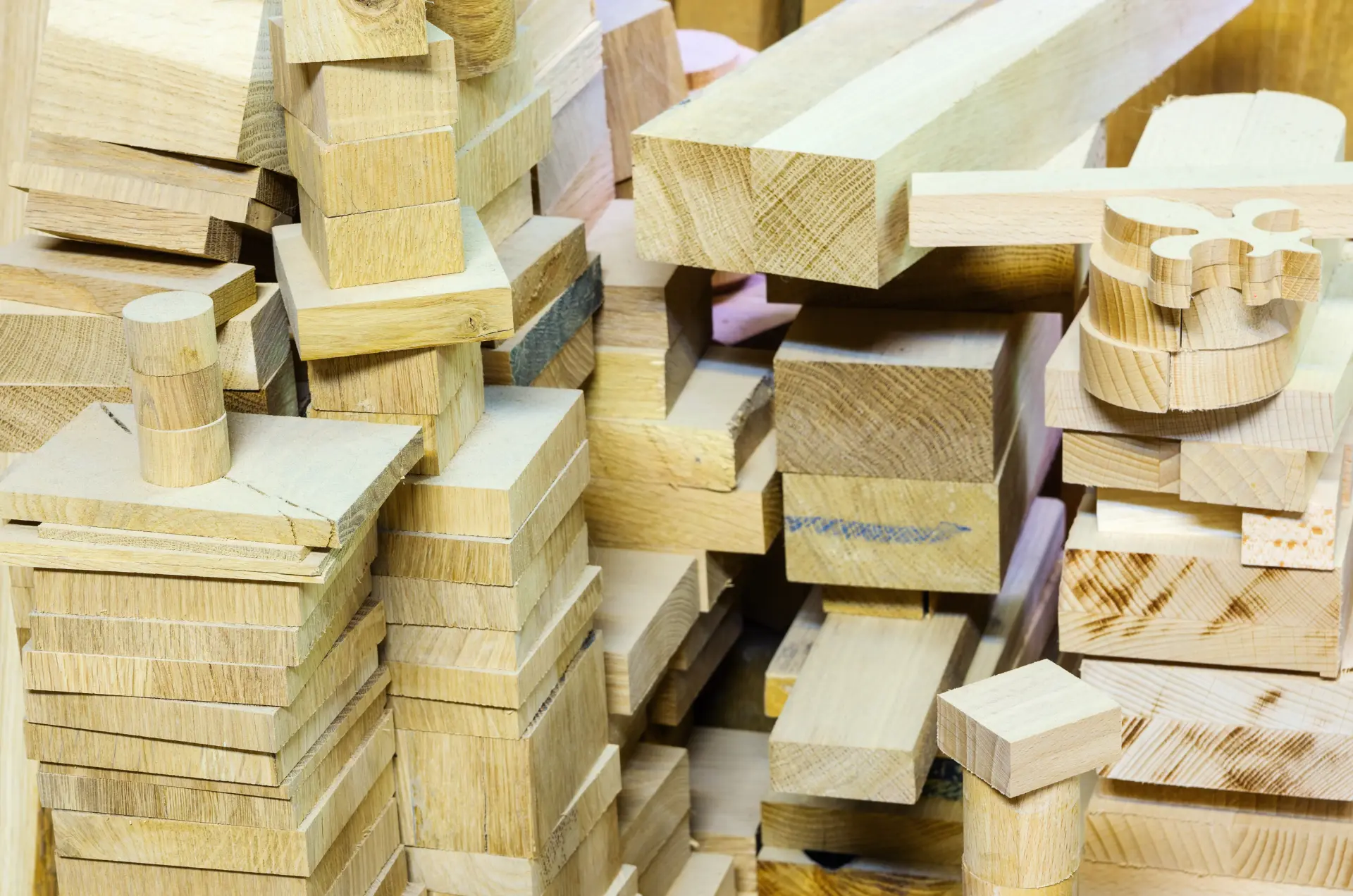
Not knowing the right type of timber for your project is a common issue. Different species of wood have different strengths, appearances, and uses. Softwood is often used for general building work because it is easy to cut and shape, while hardwood is stronger and better for high-quality finishes.
Choosing the wrong type can lead to problems such as warping, cracking, or poor durability. For example, using untreated softwood for outdoor projects may result in rot, while hardwood may be unnecessary for simple indoor work.
Make sure you understand the needs of your project before buying timber. Choosing the right type will improve both the appearance and lifespan of your build.
Not Inspecting Each Board Before Buying
Many people make the mistake of not checking each board before purchase. Timber can vary greatly, even within the same batch. Some pieces may have hidden defects, bends, or splits that are not suitable for your project.
Take the time to inspect the timber in person if possible. Look for straight boards with minimal defects and avoid pieces that show signs of damage or warping. This simple step can prevent problems later and improve the final result.
Focusing Only on Price Instead of Value
It is easy to focus only on price when buying timber, but this can be a mistake. Cheaper timber may seem like a good deal at first, but it can lead to higher costs later if it needs replacing or causes issues during the build.
Higher-quality timber may cost more at the start, but it often provides better performance and a longer lifespan. This makes it a better investment over time.
Make sure you consider both cost and quality when making your decision. Finding the right balance will help you avoid common mistakes and achieve a better outcome for your project.
Rushing the Buying Process
Rushing when buying timber is another common mistake. Taking your time to plan, check, and compare options will help you make better choices. Buying in a hurry can lead to selecting the wrong type, size, or quality of timber.
Next time you start a project, allow enough time for proper planning and checking. This will help you avoid problems and ensure a smoother building process from start to finish.
Welcroft Lee Logistics provides efficient timber supply and delivery services throughout Eastbourne, Brighton & Hastings. Whether it's a one-off project or you're looking to stock-up before multiple jobs, you can rely on our timber suppliers.