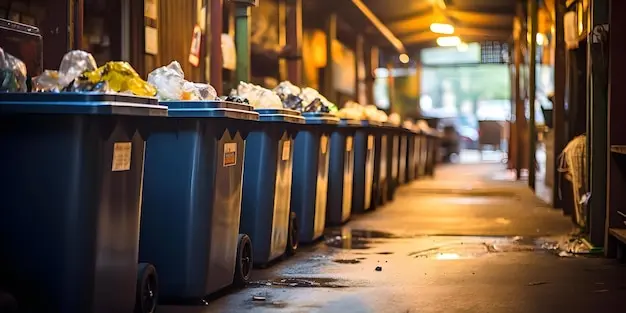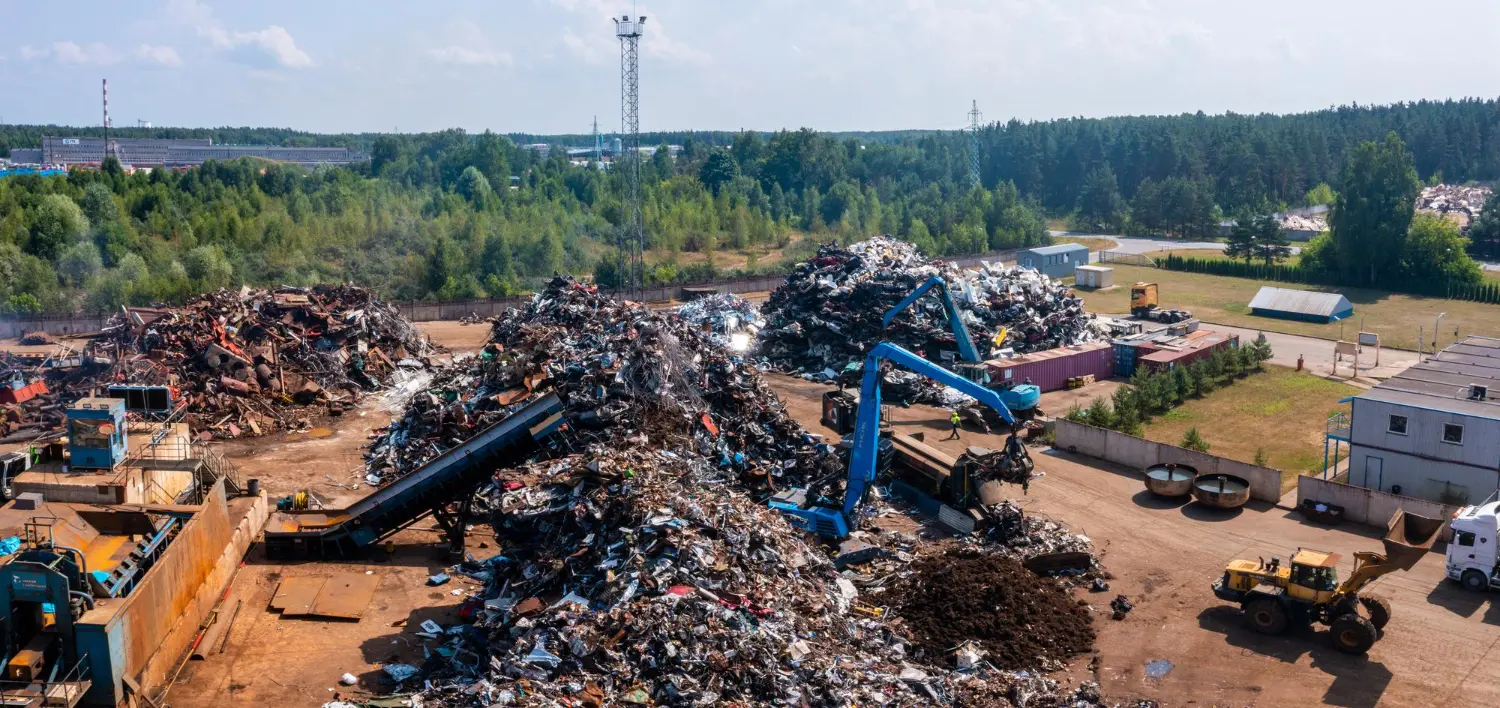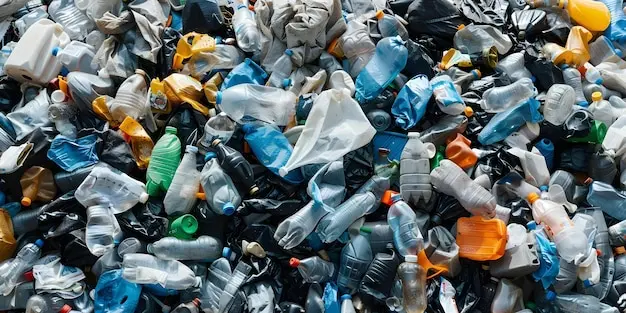
Learn common types of commercial waste explained to improve your waste handling, recycling efforts, and environmental compliance in the UK.
Why It Is Important to Understand Different Waste Types
Understanding different types of commercial waste is important for any business. It helps ensure waste is handled safely, correctly, and in line with regulations. Without proper knowledge, waste can be mixed incorrectly, which may lead to higher disposal costs or potential legal issues. Each waste type requires a specific method of handling.
For example, recyclable materials should be separated from general waste, while hazardous items need extra care. This helps prevent contamination and ensures materials are processed correctly. Knowing what waste your business produces also helps improve efficiency. It allows you to reduce unnecessary waste, increase recycling, and manage collections more effectively.
A clear understanding supports better planning and organisation. It ensures your workplace remains clean and safe while helping your business operate responsibly and reduce its overall environmental impact.
General Waste
General waste is the most common type of commercial waste and includes items that cannot be recycled or reused. This often consists of everyday rubbish such as food wrappers, non recyclable packaging, and other materials that do not fit into specific waste streams. Most businesses will produce some level of general waste as part of their daily operations.
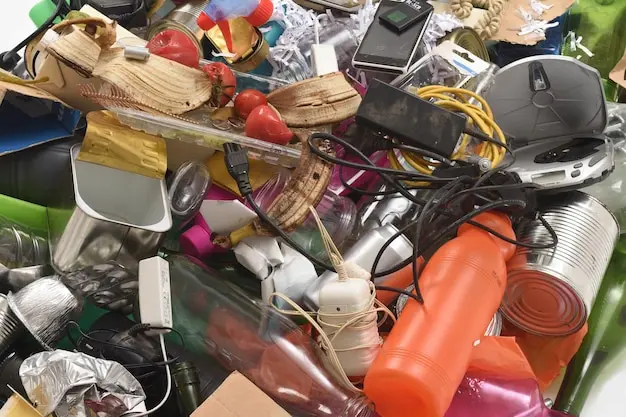
This type of waste is usually collected and taken to landfill or energy recovery facilities. Because it cannot be recycled, it is often the most expensive type of waste to dispose of. Reducing the amount of general waste produced can help lower costs and improve environmental performance.
Businesses can manage general waste more effectively by separating recyclable materials first. This reduces the volume of waste sent for disposal and ensures valuable materials are not wasted.
Using clearly labelled bins and maintaining regular collection schedules helps keep workspaces clean and organised. Proper management of general waste also reduces the risk of hygiene issues, unpleasant smells, and clutter in the workplace.
Dry Mixed Recycling
Dry mixed recycling includes materials that can be collected together and sorted later. This often includes paper, cardboard, plastics, and cans. It provides a simple way for businesses to recycle without separating each item.
This method helps increase recycling rates by making the process easier for staff. It reduces the chance of recyclable materials being placed in general waste.
However, it is important to avoid contamination. Items should be clean and free from food waste. Using the correct bins and clear guidance helps ensure recycling is handled properly.
Paper and Card Waste
Paper and card waste is one of the most common forms of commercial waste, especially in offices, retail settings, and distribution businesses. It includes items such as office paper, newspapers, magazines, packaging materials, and cardboard boxes. Many businesses generate large volumes of this waste on a daily basis.
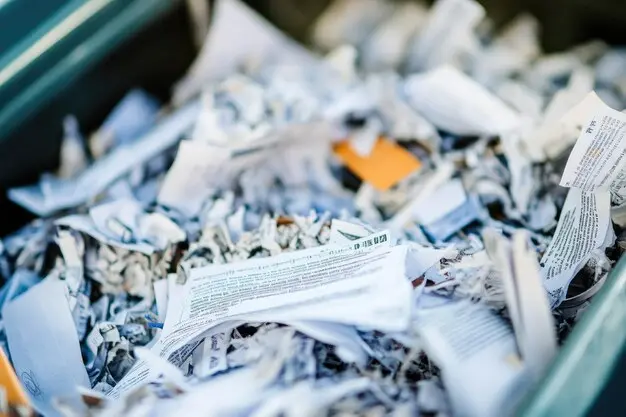
This type of waste is highly recyclable when it is kept clean and dry. Recycled paper and card can be processed and turned into new products, reducing the need for raw materials and lowering environmental impact. Proper recycling also helps businesses reduce disposal costs over time.
It is important to keep paper and card separate from general waste. If these materials become wet or contaminated with food or other substances, they may not be accepted for recycling.
Providing dedicated bins and encouraging good habits among staff can improve recycling rates. Managing paper and card waste effectively supports sustainability goals and helps businesses operate in a more responsible and efficient way.
Plastic Waste
Plastic waste is widely produced across many industries. It includes packaging, bottles, containers, and wrapping materials. Due to its widespread use, plastic can make up a large portion of commercial waste.
Some plastics can be recycled, but they must be sorted correctly. Not all plastic types are treated the same, so following guidelines is important.
Reducing plastic use where possible can help lower waste levels. Switching to reusable or recyclable options is often beneficial. Proper handling of plastic waste supports recycling efforts and helps reduce environmental impact.
Glass Waste
Glass waste is commonly produced in businesses such as restaurants, bars, hotels, and catering environments. It includes bottles, jars, and other glass containers that are used daily. Because of its durability and frequent use, glass waste can quickly build up if not managed properly.
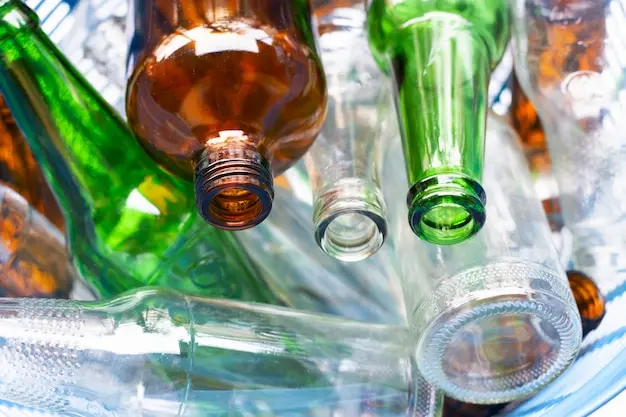
One of the main benefits of glass is that it is fully recyclable and can be reused many times without losing quality. This makes it an important material to separate and recycle correctly.
When processed properly, it can be turned into new containers or other products. Glass should always be stored in dedicated bins to avoid contamination with other waste types. It is also important to handle it carefully, as broken glass can pose a safety risk to staff.
Regular collection helps prevent overflow and keeps the workplace clean and safe. Managing glass waste properly supports recycling efforts and helps businesses reduce their environmental impact while maintaining a tidy working environment.
Food Waste
Food waste demands careful management due to its rapid decomposition, odour potential, and increasingly stringent regulations. The UK government has committed to mandatory food waste separation for businesses, making this an area where proactive preparation pays dividends. Understanding your food waste patterns helps identify both disposal solutions and reduction opportunities.
Separate food waste collections enable materials to be processed through anaerobic digestion or composting, generating renewable energy or valuable soil improver rather than methane-producing landfill emissions. Many waste companies now offer dedicated food waste services with sealed bins that control odours and pests.
Collection frequency matters more with food waste than most other streams. Assess your volumes and adjust schedules accordingly - restaurants may need daily collections while offices might manage weekly. Appropriate container sizing prevents both overflow problems and paying for unnecessary capacity.
Food waste reduction often yields the biggest returns. Audit what you're throwing away and why. Portion control, better stock rotation, menu planning, and staff training frequently cut food waste significantly. Some businesses partner with redistribution charities or use apps connecting surplus food with buyers, turning potential waste into social benefit or modest revenue.
Confidential Waste
Confidential waste encompasses any documents containing sensitive information requiring secure destruction—financial records, personnel files, customer data, medical information, legal documents, and strategic business materials. Data protection legislation, including GDPR, creates legal obligations around proper handling and destruction of personal data.
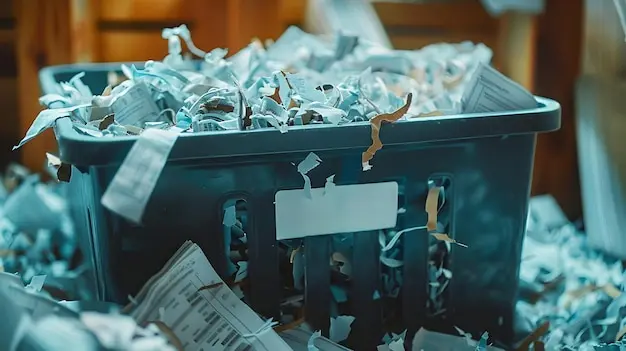
Professional confidential waste services provide secure collection bins, chain-of-custody documentation, and certified destruction processes. Materials are typically shredded on-site in secure vehicles or transported to processing facilities with tracked handling throughout. You should receive certificates of destruction confirming compliant processing.
Assess your confidential waste volumes realistically. Small quantities may suit scheduled collections, while high-volume producers might benefit from more frequent services or on-site shredding equipment. Consider where confidential documents accumulate - individual desks, printing areas, archive rooms—and position secure collection points accordingly.
Staff awareness proves crucial. Clear policies explaining what constitutes confidential waste, combined with conveniently located collection bins, prevent sensitive materials entering general waste or standard recycling streams where they could be recovered.
Electrical Waste
Electrical and electronic equipment waste—commonly called WEEE—requires specialist handling due to hazardous components and valuable recoverable materials. From office computers and monitors to kitchen appliances and lighting, businesses generate diverse electrical waste streams governed by specific regulations.
The WEEE Regulations place obligations on producers and distributors, but businesses disposing of electrical equipment must also ensure compliant treatment. Items cannot legally enter general waste streams. Specialist WEEE collectors dismantle equipment, safely extract hazardous components like batteries and capacitors, and recover valuable metals and materials.
Data security adds complexity to IT equipment disposal. Hard drives, servers, and devices storing business information require certified data destruction before recycling. Reputable WEEE processors offer data wiping or physical destruction services with appropriate certification.
Some electrical equipment retains resale value. Asset recovery services assess equipment condition, securely erase data, and either refurbish items for resale or ensure proper recycling. This can offset disposal costs or even generate returns while ensuring compliance and environmental responsibility.
Hazardous Waste
Hazardous waste carries risks to human health or the environment and demands stringent handling, storage, and disposal procedures. Classifications include toxic, corrosive, flammable, explosive, and environmentally harmful materials. Many businesses unknowingly generate hazardous waste through everyday operations.
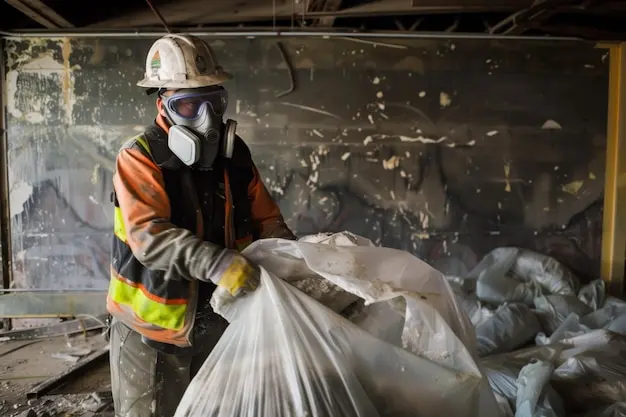
Common examples include solvents, paints, batteries, fluorescent tubes, cleaning chemicals, oils, pesticides, and certain medical materials. Even seemingly innocuous items like aerosols or printer cartridges may qualify as hazardous depending on their contents. Proper identification is the essential first step.
Hazardous waste regulations require specific documentation, consignment notes tracking materials from production through treatment, and restrict transport to licensed carriers using authorised disposal facilities. Storage requirements specify secure, labelled containment preventing leaks or unauthorised access. Non-compliance carries serious penalties including imprisonment.
Engaging specialist hazardous waste contractors ensures compliance while managing risk. They can assess your waste streams, advise on proper classification, provide appropriate containers, and handle documentation. Given the complexity and consequences of getting hazardous waste wrong, professional support represents a worthwhile investment.
Construction and Demolition Waste
Construction and demolition waste encompasses materials arising from building, renovation, and demolition projects. This diverse stream includes concrete, bricks, timber, metals, plasterboard, soil, and mixed rubble. Proper management significantly impacts both project costs and environmental footprint
Segregation at source maximises recycling potential and minimises disposal costs. Clean concrete and brick can be crushed for aggregate reuse. Metals command good recycling prices. Untreated timber can be recycled or used for biomass energy. Plasterboard requires separate processing due to gypsum content. Mixed loads attract higher charges and lower recycling rates.
Site waste management plans help larger projects track materials, set reduction targets, and demonstrate regulatory compliance. Even smaller projects benefit from thinking through waste logistics before work begins. Adequate space for segregated skips, clear contractor briefings, and regular monitoring prevent waste management becoming an afterthought that inflates costs. Consider material reuse before recycling. Salvaged materials such as bricks, timber, architectural features, may have resale value or suit reuse elsewhere on site. Deconstruction approaches that carefully dismantle rather than demolish can significantly reduce waste volumes while recovering valuable materials.
Clinical and Sanitary Waste
Clinical waste arises primarily from healthcare settings but also affects businesses providing first aid, beauty treatments, tattooing, or other services involving potential contact with bodily fluids. Sanitary waste from washroom facilities presents related but distinct requirements. Both demand careful handling to protect public health and worker safety.
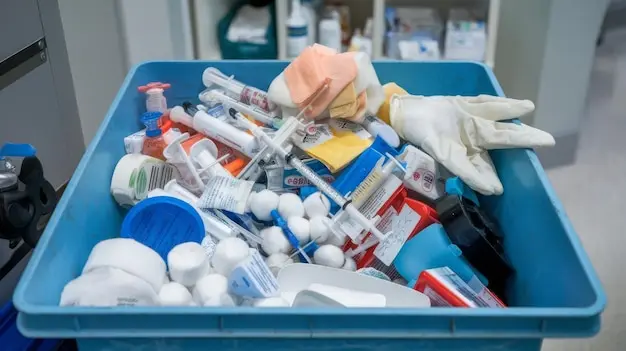
Clinical waste classifications range from offensive waste requiring minimal treatment to infectious materials needing high-temperature incineration. Sharps like needles, blades, contaminated glass require rigid, puncture-proof containers meeting specific standards. Colour-coded bags and containers indicate treatment requirements, with orange, yellow, and purple bags denoting different clinical waste categories.
Sanitary waste from washrooms requires dedicated collection units in appropriate facilities. Specialist companies provide feminine hygiene disposal units, servicing them on regular schedules and ensuring compliant treatment. This waste typically undergoes maceration and processing through sewage treatment or incineration.
Staff training ensures proper segregation and safe handling. Healthcare settings maintain detailed clinical waste policies, but any business generating these waste types should establish clear procedures and ensure all relevant staff understand their responsibilities.
Packaging Waste
Packaging waste affects virtually every business receiving goods and many producing them. Cardboard boxes, plastic wrapping, polystyrene inserts, wooden pallets, and strapping materials accumulate rapidly, particularly in retail, hospitality, and manufacturing settings. Managing this stream efficiently controls costs and supports sustainability objectives.
The Producer Responsibility Obligations place legal requirements on businesses handling significant packaging quantities. Thresholds determine whether your business must register, report data, and meet recycling obligations. Even below these thresholds, effective packaging waste management makes business sense.
Segregating packaging materials maximises recycling value. Clean cardboard commands better prices than mixed waste. Plastic films, while challenging, can access specialist recycling routes. Wooden pallets often have return or resale value. Metals recycle profitably. Taking time to separate materials rather than disposing of everything as general waste typically reduces overall costs.
Consider working with suppliers on packaging reduction. Returnable transit packaging, reduced packaging specifications, and consolidating deliveries can significantly cut incoming packaging waste. Some suppliers offer take-back schemes for their packaging, shifting disposal responsibility and costs back up the supply chain.
Bulky Waste
Bulky waste describes large items that don't fit standard waste collection arrangements. Office furniture, commercial kitchen equipment, display units, mattresses, large electrical items, and similar oversized objects. These require specific collection services due to their size, weight, or composition.
Most waste management companies offer bulky waste collection either as scheduled services or on-demand arrangements. Costs depend on item type, quantity, and accessibility. Items requiring disassembly or difficult access typically attract premium charges.
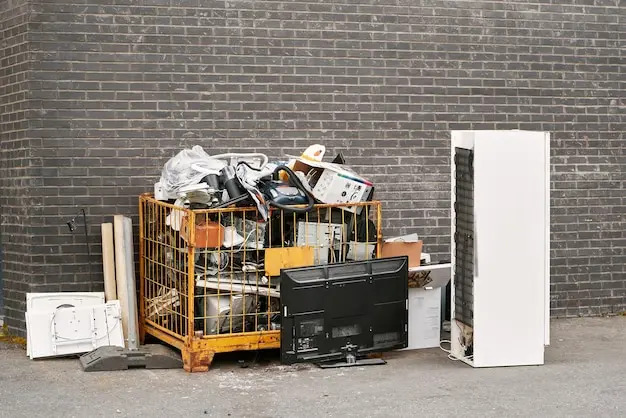
Before arranging disposal, consider alternatives. Office furniture in good condition may interest charities, social enterprises, or resale platforms. Equipment upgrades sometimes include old item removal. Refurbishment or repair might extend useful life. Asset recovery companies assess commercial furniture and equipment value, potentially reducing disposal costs through resale.
When disposal is necessary, proper routing matters. Many bulky items contain recyclable materials, metals, wood, textiles, that specialist processors can recover.
Some items like mattresses have dedicated recycling facilities achieving high recovery rates. Choosing waste partners who prioritise recycling over landfill supports environmental goals while often proving cost-competitive.
How Commercial Waste Differs by Business Type
Waste profiles vary dramatically between business types, shaping collection requirements and cost structures. An office generates predominantly paper, card, and small quantities of general waste. A restaurant produces significant food waste, glass, and mixed recycling with frequent collection needs. A manufacturing facility might produce substantial quantities of specific materials, requiring specialist handling.
Understanding your sector's typical waste profile helps benchmark your performance and identify improvement opportunities. Trade associations often publish waste data and best practice guidance for their sectors. Your waste contractor should understand sector-specific requirements and offer appropriately tailored services.
Business size influences options. Larger organisations may justify on-site compaction equipment, dedicated material streams, and sophisticated monitoring systems. Smaller businesses might benefit from shared collection arrangements or proportionally simpler segregation systems.
Location matters too. Urban premises face space constraints limiting bin storage and collection vehicle access. Rural businesses may encounter fewer collection options or longer distances to processing facilities. Multi-site businesses must balance standardised approaches against local variations.
Choosing the Right Commercial Waste Collection Service
Selecting a waste management partner significantly impacts your costs, compliance, and environmental performance. Beyond headline prices, evaluate service reliability, flexibility, and expertise relevant to your specific waste streams. The cheapest quote rarely represents best value when service failures create operational disruption or compliance risks.
Start by thoroughly understanding your waste. Audit current volumes, compositions, and collection frequencies across all streams. Identify pain points with existing arrangements and opportunities for improvement. This knowledge enables meaningful comparisons between providers and prevents surprises after contracts begin.
Verify credentials carefully. Licensed carriers should hold appropriate permits for the waste types they collect. Ask about their treatment and disposal routes, where does your waste actually go, and what happens to it? Reputable contractors provide transparency about recycling rates, processing facilities, and final destinations.
Contract terms deserve scrutiny. Understand notice periods, price review mechanisms, contamination charges, and additional fees that might apply. Consider service level agreements covering collection reliability and response times for issues. Flexibility to adjust services as your business needs change provides valuable adaptability. Request references from similar businesses and check online reviews to assess real-world service quality before committing.
Are you looking for commercial waste removal in Eastbourne? We understand the importance of a tidy workspace for productivity and health. Contact our business waste collection service for rubbish removal in Eastbourne, Brighton and Hastings.