Discover how commercial waste affects the environment and learn practical ways to reduce your business’s environmental impact. Act now to make a difference.
Why Commercial Waste Is an Environmental Issue
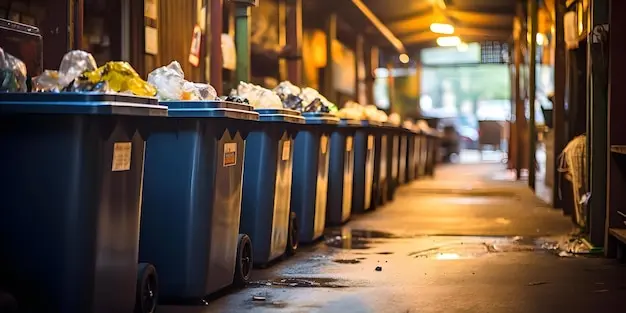
Commercial waste is an environmental issue because of the large amount of waste produced by businesses every day. Offices, shops, restaurants, and industrial sites all generate materials that must be managed properly. When this waste is not handled correctly, it can harm natural systems and contribute to long term environmental damage.
Waste that is not recycled or treated properly often ends up in landfill or is disposed of in ways that affect the surrounding area. This can lead to pollution, loss of resources, and increased pressure on the environment. Businesses play a key role in waste production, so they also have a responsibility to reduce its impact.
Understanding how waste affects the environment is the first step in making better decisions. By improving waste handling and reducing unnecessary waste, businesses can help limit damage and support a more sustainable way of working.
How Waste From Businesses Builds Up
Waste from businesses builds up quickly because of the scale and frequency of daily operations. Every delivery, transaction, and service can create waste, from packaging materials to food waste and office paper. When this happens across many businesses at once, the total amount becomes significant.
One of the main reasons waste builds up is because materials are often used once and then thrown away. Single use packaging, disposable items, and excess materials all contribute to the problem. Without proper systems in place, this waste can accumulate rapidly.
Poor waste management can make the issue worse. If waste is not separated or collected regularly, it can pile up on site or be sent to landfill unnecessarily. This increases the overall environmental impact.
Seasonal demand can also play a role. Certain times of year, such as holidays or busy trading periods, can lead to higher levels of waste production. By understanding how waste builds up, businesses can take steps to reduce it. This includes improving efficiency, reducing unnecessary materials, and managing waste more effectively across all areas of operation.
The Impact of Landfill Waste
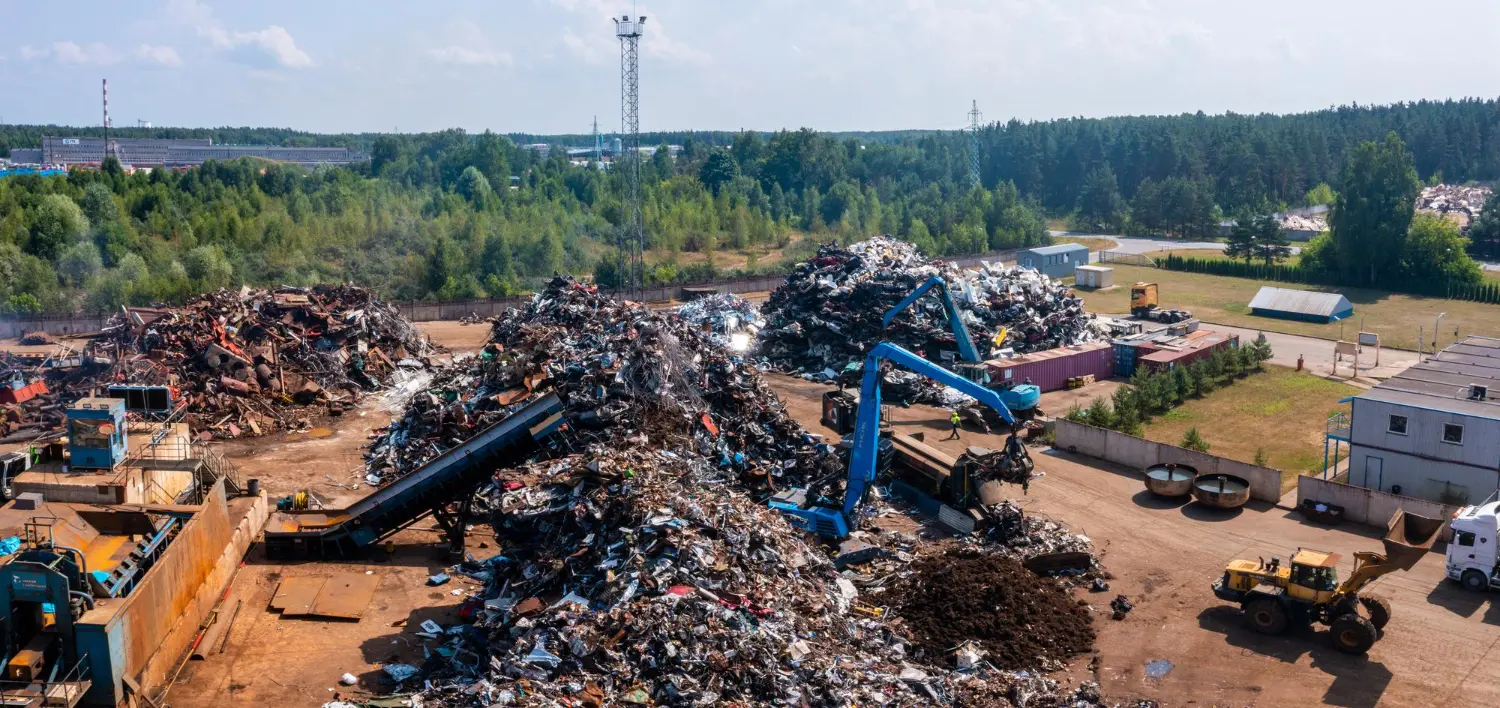
Landfill waste has a significant impact on the environment. When commercial waste is sent to landfill, it takes up space and can remain there for many years. Some materials break down slowly, while others may not break down at all.
As waste decomposes, it can release harmful gases and liquids. These substances can affect the surrounding environment and contribute to pollution. Landfill sites can also attract pests and create unpleasant conditions. Large amounts of waste in landfill increase pressure on available land.
New sites may be needed as existing ones fill up, which can affect natural habitats. Reducing the amount of waste sent to landfill is an important step in protecting the environment. Recycling, reusing materials, and improving waste management can all help lower the impact and reduce the need for landfill space.
How Commercial Waste Contributes to Pollution
Commercial waste contributes to pollution in several ways, especially when it is not managed correctly. Waste that is dumped, burned, or poorly handled can release harmful substances into the environment. These pollutants can affect air, water, and land, creating long term damage.
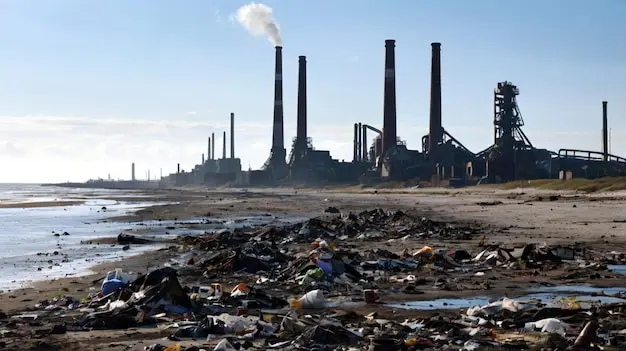
When waste is left exposed, it can break down and release chemicals or particles into the air. This can affect air quality and contribute to wider environmental issues. Burning waste can also release harmful gases, which add to pollution levels.
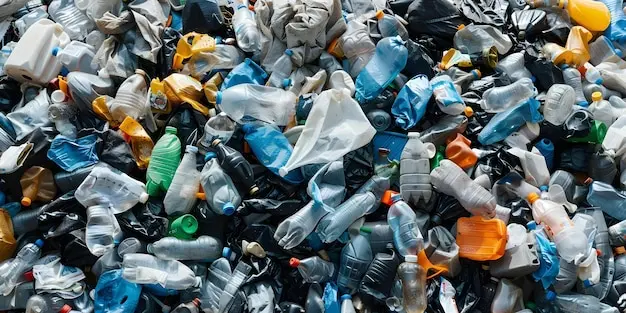
Waste can also pollute water sources. Rainwater can carry substances from waste into drains, rivers, and lakes. This can harm wildlife and make water unsafe. Plastic waste is another major concern. It does not break down easily and can spread into natural areas, causing damage to ecosystems.
By managing waste properly, businesses can reduce their contribution to pollution. This includes correct storage, disposal, and recycling practices that help protect the environment and limit harmful effects.
The Effect of Waste on Air Quality
Waste can affect air quality when it breaks down or is handled improperly. As waste decomposes, it can release gases into the air. Some of these gases can be harmful to both people and the environment.
Burning waste is another major source of air pollution. This can release smoke, particles, and harmful chemicals that reduce air quality. Poorly managed waste sites can also produce unpleasant odours that affect nearby areas. Transporting waste can also contribute to emissions.
Vehicles used for collection and disposal produce exhaust fumes, which add to air pollution. Reducing waste and managing it correctly can help improve air quality. Recycling, reducing waste production, and avoiding unnecessary disposal all play a part in lowering emissions and protecting the air we breathe.
How Waste Can Harm Water Sources
Commercial waste can harm water sources when it is not stored or disposed of correctly. Rainwater can wash substances from waste into drains, rivers, and lakes. This process, often called runoff, can carry harmful materials into natural water systems.
Once waste enters water sources, it can affect both quality and safety. Chemicals, oils, and other pollutants can make water unsafe for wildlife and human use. This can damage ecosystems and reduce biodiversity.
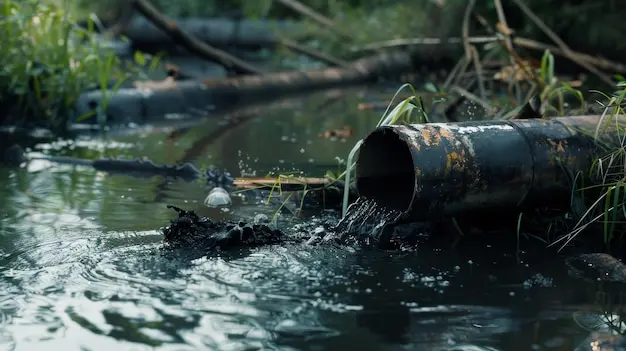
Plastic waste is a major issue in water environments. Small pieces can be ingested by animals, causing harm or death. Larger items can block waterways or damage habitats.
Poorly managed landfill sites can also affect groundwater. Liquids produced during waste breakdown can seep into the soil and reach water supplies if not properly contained.
By handling waste responsibly, businesses can help protect water sources. Proper storage, separation, and disposal reduce the risk of pollution and support cleaner, safer water systems.
The Impact on Soil and Land
Commercial waste can have a direct impact on soil and land, especially when it is not managed properly. Waste that is dumped or poorly contained can release harmful substances into the ground. This can affect soil quality and make land less suitable for future use.
Certain types of waste, such as chemicals or oils, can be particularly damaging. They may contaminate the soil and harm plants, animals, and microorganisms that depend on it. Landfill sites also change how land is used.
Large areas are taken up by waste storage, which can affect natural habitats and limit other uses for the land. Proper waste management helps reduce these impacts. By disposing of waste correctly and reducing the amount sent to landfill, businesses can help protect land and maintain healthier soil conditions.
The Link Between Commercial Waste and Climate Change
Commercial waste is closely linked to climate change, mainly through the release of greenhouse gases. When waste is sent to landfill and breaks down, it produces gases such as methane. Methane is a powerful greenhouse gas that contributes to global warming.
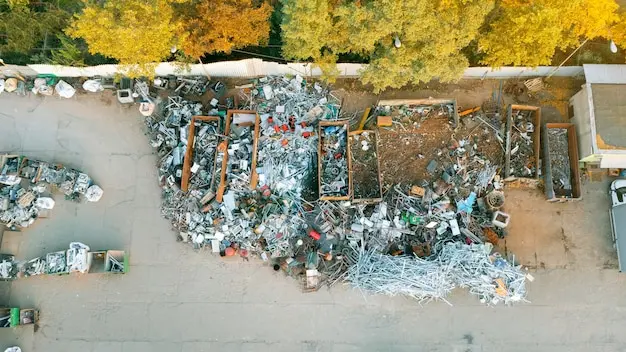
The production and disposal of materials also require energy. From manufacturing to transport and disposal, each stage uses resources and produces emissions. When materials are wasted, all of that energy is effectively lost, increasing the overall environmental impact.
Burning waste can also contribute to climate change. This process releases carbon dioxide and other gases into the atmosphere. While some waste to energy systems are controlled, emissions still need to be considered.
Reducing waste can help lower these effects. Recycling materials means less energy is needed to produce new products. Reusing items also reduces demand for new resources. By managing waste more carefully, businesses can reduce emissions and play a role in limiting the impact of climate change.
How Plastic and Packaging Waste Affect the Environment
Plastic and packaging waste have a major impact on the environment. These materials are widely used in business operations, especially for storage, transport, and product protection.
Many types of plastic do not break down easily. Instead, they remain in the environment for long periods, causing harm to wildlife and natural habitats. Small pieces of plastic can be ingested by animals, leading to injury or death.
Packaging waste can also increase landfill use if it is not recycled properly. Excess packaging adds to the overall volume of waste produced by businesses. Reducing plastic use and improving recycling can help limit these effects. Using more sustainable materials and reducing unnecessary packaging supports better environmental outcomes.
The Environmental Cost of Food Waste
Food waste has a significant environmental cost, especially when produced in large quantities by businesses. When food is wasted, all the resources used to produce it are also wasted. This includes water, energy, land, and labour.

When food waste is sent to landfill, it breaks down and produces methane gas. This contributes to climate change and increases the overall environmental impact.
Food waste can also create local problems. If not managed properly, it can cause smells, attract pests, and affect hygiene. These issues can have wider environmental and public health impacts.
Reducing food waste can make a big difference. Better planning, portion control, and storage can help minimise waste. Surplus food may also be redistributed where possible. By managing food waste more effectively, businesses can reduce environmental harm, improve efficiency, and make better use of valuable resources.
Why Poor Waste Separation Makes Things Worse
Poor waste separation can make environmental problems worse by increasing contamination. When recyclable materials are mixed with general waste, they may no longer be suitable for recycling. This leads to more waste being sent to landfill.
Contaminated waste is harder to process and may require additional handling. This can increase costs and reduce efficiency. Mixing hazardous materials with general waste can also create safety risks. It can lead to pollution and make disposal more difficult.
Clear separation helps ensure materials are handled correctly. It improves recycling rates and reduces environmental impact. By separating waste properly, businesses can make waste management more effective and reduce unnecessary harm.
The Effect of Hazardous Waste on Nature
Hazardous waste can have serious effects on nature if it is not handled properly. This type of waste includes chemicals, oils, and other substances that can harm plants, animals, and ecosystems. When hazardous waste is released into the environment, it can contaminate soil and water. This can damage habitats and affect the health of wildlife. Some substances may remain in the environment for a long time, causing lasting harm.
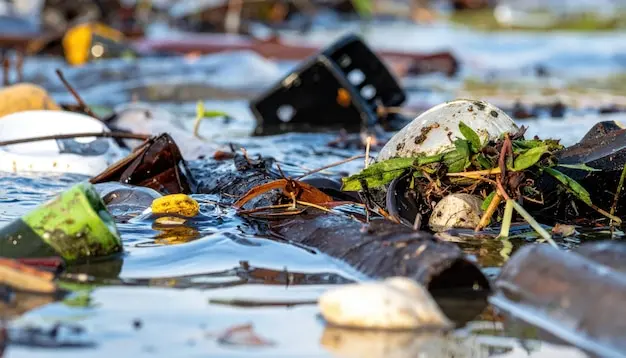
Animals may be exposed to hazardous materials through contact or by consuming contaminated food or water. This can lead to illness or death and disrupt natural food chains.
Improper disposal can also affect plant life. Contaminated soil may not support healthy growth, which can impact entire ecosystems.
By managing hazardous waste correctly, businesses can reduce these risks. Proper storage, handling, and disposal help protect nature and ensure harmful substances do not cause unnecessary damage.
How Commercial Recycling Can Help
Commercial recycling helps reduce the environmental impact of waste by allowing materials to be reused. This reduces the need for new raw materials and lowers energy use.
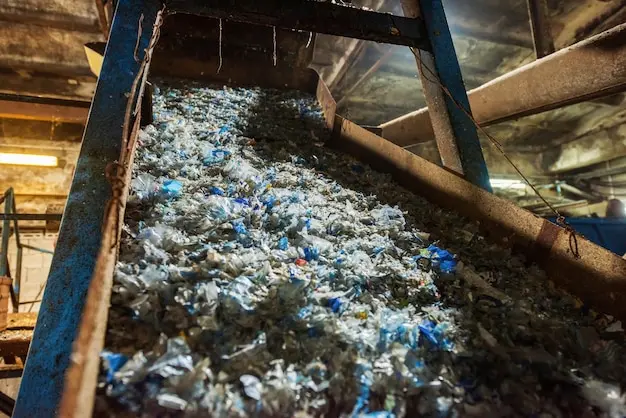
Recycling also reduces the amount of waste sent to landfill. This helps limit pollution and reduces pressure on land resources. Many materials, such as paper, plastic, and metal, can be recycled if handled correctly.
By improving recycling practices, businesses can reduce waste and support environmental protection. Recycling is a simple but effective way to make a positive difference.
Ways Businesses Can Reduce Environmental Harm
Businesses can reduce environmental harm by improving how they manage waste and resources. One of the most effective steps is reducing the amount of waste produced in the first place. This can be done by using fewer materials, choosing reusable options, and avoiding unnecessary packaging.
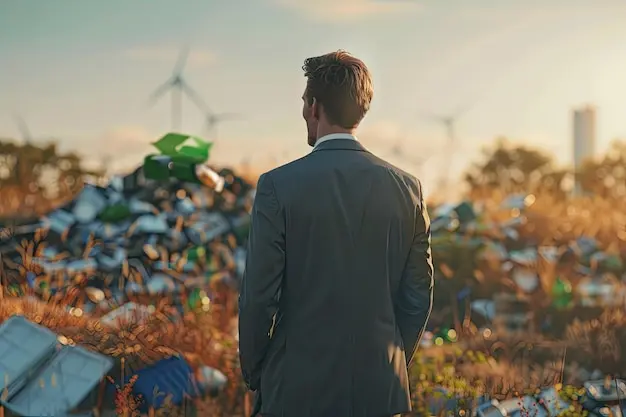
Improving recycling systems is another important step. Clear labelling, staff training, and regular collection help ensure materials are sorted correctly. This increases recycling rates and reduces landfill use.
Businesses can also review their suppliers and choose more sustainable options. This may include using recyclable materials or reducing single use products.
Energy use and transport can also be improved. Efficient processes and reduced waste movement help lower emissions. By taking practical steps, businesses can reduce their environmental impact. This supports sustainability while improving efficiency and long term performance.
Are you looking for commercial waste removal in Eastbourne? We understand the importance of a tidy workspace for productivity and health. Contact our business waste collection service for rubbish removal in Eastbourne, Brighton and Hastings.