Learn how to repair a fence after strong winds with our expert tips. Ensure safety, fix loose panels, posts, and secure your fence effectively to withstand future storms.
Check the Fence for Damage
Start at one end and work along the full boundary. Look for leaning sections, cracked panels, missing boards and posts that have moved. Check whether the fence line is still straight. A small change in position may show that a post has loosened below the ground.
Push each panel gently to test its stability. Do not use force, as a weakened panel may collapse. Listen for rattling or creaking, which can point to loose screws, nails or brackets. Examine the base of every post for cracked concrete, disturbed soil or exposed roots.
Then, take a look at the upper edges of panels, as strong winds can pull them away from posts. Look closely at fixing points because timber may split around screws or nails. Gates should also be inspected, even if they appear undamaged. Wind can twist a gate, loosen its hinges or move the supporting post.
Take photographs and make notes before moving anything. This gives you a clear record of the damage and may be useful if you need a quote or make an insurance claim.
Do not assume that one fallen panel is the only problem. Wind pressure can travel along the fence and weaken neighbouring sections. A complete inspection will help you plan repairs in the correct order.
Make the Area Safe
Before beginning any repair, make sure the garden is safe for everyone who uses it. Keep children, pets and visitors away from the damaged section. A loose panel may fall suddenly, and broken boards can contain sharp nails or rough edges.
Use a clear barrier to mark the area. Garden chairs, rope or temporary fencing can help prevent people from walking too close. Do not rely on a warning alone, especially if young children or animals have access to the garden.
Remove small loose items that could be lifted by further wind. Tools, plant pots, broken boards and metal fixings should be placed somewhere secure. If part of the fence is hanging or leaning, do not stand underneath it. Support may be added only when this can be done safely.
Wear strong gloves, suitable footwear and eye protection when handling damaged timber or metal. Long sleeves can help protect your arms from splinters and sharp edges. If you are using power tools, follow the manufacturer’s safety guidance.
Electrical cables, outdoor lights or water pipes need looking at before you begin digging around posts. If the fence has fallen onto electrical equipment, do not touch it. Keep away and contact the correct service provider.
Large concrete posts and heavy panels should not be moved alone. They can cause serious injury if they slip or fall. Ask for help or arrange professional removal.
Safety should remain the priority throughout the work. If the weather becomes worse, stop and secure the area again. A repair can wait until conditions are calm and the fence can be handled without unnecessary risk.
Identify Loose or Broken Fence Panels
Fence panels often take the greatest force during high winds. A panel may become loose without breaking, or it may crack, split or pull away from the posts. Each panel should be checked before deciding whether it can be secured or needs replacement.
A loose panel may move within its brackets or rattle when touched. See whether the fixings are missing, bent or pulled out, and if the timber around the fixing points remains strong, the panel may be refitted with suitable screws, brackets or clips. Use fittings designed for outdoor use, as these are more resistant to moisture and rust.
Broken panels require closer assessment. A single damaged board may be replaceable if the frame remains square and secure. Measure the damaged board carefully and use timber of a similar thickness. Treat any cut ends before fitting the new piece.
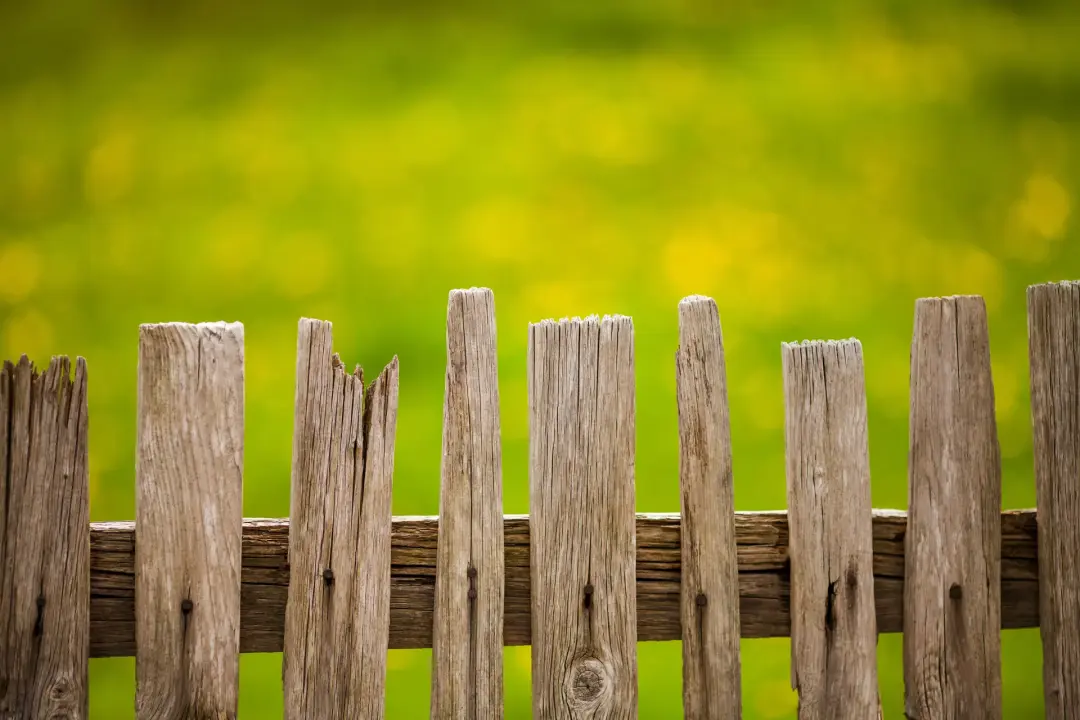
A panel with a broken frame, several split boards or severe warping is usually better replaced. Repairs may not restore enough strength to resist future wind. When fitting a replacement, check that it sits evenly between the posts and does not place pressure on the surrounding sections.
Matching an older panel can be quite difficult, as there are so many different types to choose from that may look similar but not be exact. The colour may differ because the existing fence has weathered. Staining or painting the full section may create a more even finish.
Repair or Replace Damaged Fence Posts
Fence posts provide the main support for the structure, so any damage should be dealt with before panels are repaired. A post may lean, split, rot or become loose in the ground after strong winds. The correct response depends on the material and the level of damage.
Timber posts should be checked near ground level, where rot often develops. Press the wood gently with a suitable tool. If it feels soft or breaks apart, the damaged section may not be strong enough to support the fence. A post repair spur can sometimes be used when the upper part remains sound. This creates a new support beside the damaged base.
A cracked or badly rotten timber post should normally be replaced. Remove the attached panels first, then take out the old post and damaged concrete. The new post should be set at the correct depth and held straight while the concrete cures.
Always check why the post failed. Soft ground, shallow foundations, poor drainage or pressure from roots may need to be corrected. Replacing the post without dealing with the cause could lead to another failure during the next period of strong wind.
Fix Leaning Fence Sections
A single loose post in the leaning area may pull several connected panels out of line. Remove nearby panels if necessary so the post can be repaired without placing extra pressure on them. This also reduces weight and makes the structure easier to handle.
If the post is sound but the surrounding soil has loosened, it may be possible to reset it. Dig around the base, place the post in the correct position and add fresh concrete or another suitable support. Use a spirit level to keep the post straight. Temporary braces can hold it in place while the foundation sets.
A rotten, split or bent post should be replaced rather than forced upright. Reusing a weak post may cause the fence to lean again. The depth of the new foundation should be looked at and made sure that the water can drain away from timber.
When several posts have moved, straighten the section in stages. Trying to move the entire run at once can split panels or pull out fixings. Work from a stable point and check the fence line regularly. Avoid attaching the panels until the repaired posts are completely firm. Fresh concrete needs enough time to cure. Fitting heavy panels too soon can move the posts before the base has developed strength.
Secure Loose Panels and Boards
Once the posts are stable, loose panels and boards can be secured. Begin by removing damaged or rusted fixings. Leaving weak screws or nails in place may prevent the new fittings from sitting correctly.
Choose fixings that suit the fence material and the level of exposure. Outdoor screws are often more secure than nails because they are less likely to pull out during movement. Galvanised or coated fittings provide better protection against rust. Use brackets or clips of the correct size, and avoid placing fixings too close to the edge of timber.
Hold the panel in its correct position before drilling, and check that the top edge is level and that there is a small, even gap between the panel and the ground. Timber panels that sit directly on wet soil are more likely to rot.
When securing individual boards, make sure each one is straight and evenly spaced. A board that is fixed under pressure may split as it dries. If the original fixing hole has become too large, move the new fixing slightly rather than using the same weak point.
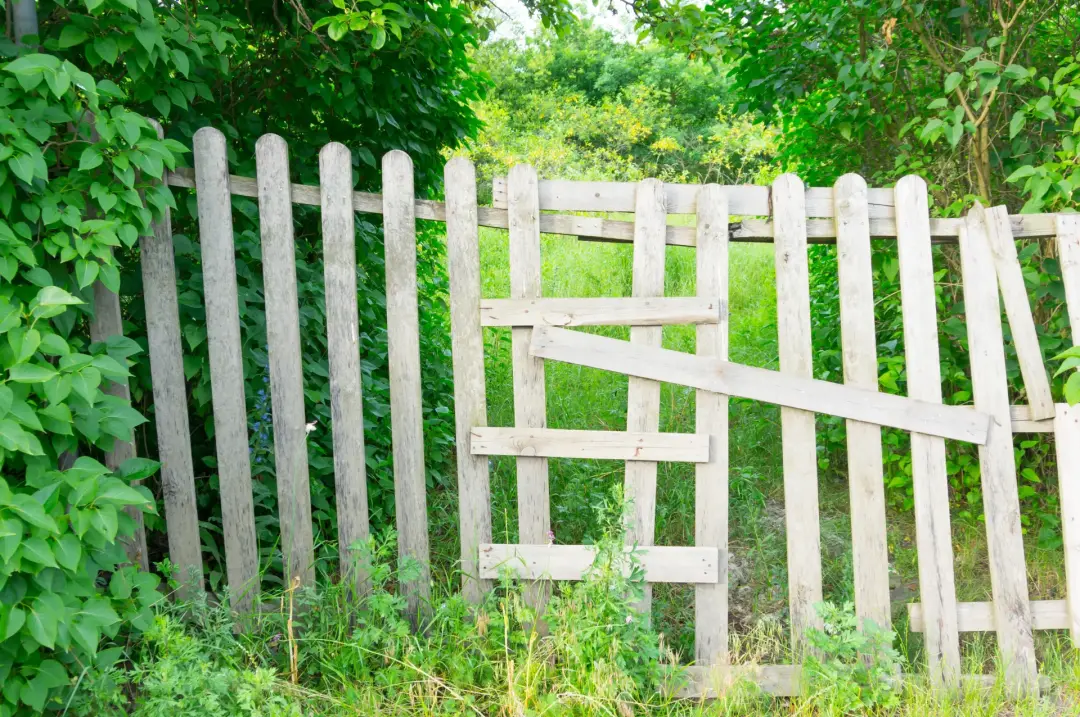
Do not overtighten screws. This can crush the timber, damage the coating or cause cracking. The fitting should hold the panel firmly without pulling deeply into the surface.
Test the repaired area with gentle pressure. It should remain firm without rattling, and then both sides need to be closely assessed to confirm that there aren't any sharp ends or exposed fixings.
Securing panels properly will improve strength, but it should not be used to support a weak post. The main structure must always be repaired first.
Replace Broken Fixings
Strong winds can bend, loosen or break the fittings that connect fence panels, posts and gates. These small parts are easy to overlook, but they play an important role in keeping the structure stable.
Inspect all screws, nails, bolts, brackets and clips in the damaged area. Look for rust, movement, missing heads and fittings that have pulled through the timber. A fixing may appear to be in place while no longer holding the material securely.
Remove damaged fittings carefully. Use pliers, a screwdriver or a suitable drill attachment. Avoid forcing a rusted screw because it may snap inside the wood. If part of the fixing remains, the replacement can often be placed a short distance away in sound material.
Choose fittings made for outdoor use. Galvanised or coated steel is usually more resistant to weather than untreated metal. Stainless steel may be suitable in damp or exposed locations. Match the size of the fitting to the thickness and weight of the panel.
Brackets should sit flat against both surfaces. Replace bent brackets rather than trying to hammer them back into shape, as the metal may already be weakened. Use all available fixing holes so that wind pressure is spread across the joint.
Check Gates and Hinges
Begin by opening and closing the gate slowly. Check whether it drags on the ground, catches against the post or leaves an uneven gap. These signs may show that the hinges are loose or the gate has dropped. Use a spirit level to check the gate and its posts.
Inspect the hinges for bends, rust and missing screws. Loose screws can sometimes be replaced with longer outdoor fittings, provided the timber remains sound. If the original holes are damaged, place the new fittings in strong material rather than reusing weak holes.
A bent hinge should usually be replaced whenever possible. Trying to straighten it may limit its strength. Make sure the new hinge is suitable for the size and weight of the gate.
Check the latch, lock and gate stop for any major faults. Strong wind may pull the latch out of line or loosen the screws. Adjust the fitting so the gate closes securely without being forced. A strong stop can prevent the gate from swinging too far in future weather.
The supporting posts are especially important. A gate places more pressure on a post than a normal fence panel. If the hinge post moves, repair or replace it before adjusting the gate.
Treat Exposed or Damaged Wood
Storm damage can expose untreated timber where boards have split, cracked or been cut. These areas can absorb water quickly, increasing the risk of swelling, mould and rot. Treating exposed wood helps protect the repair and extend the life of the fence.
Allow wet timber to dry before applying treatment. Covering damp wood may trap moisture inside. Remove loose fibres, dirt and old flaking coatings with a stiff brush or suitable abrasive paper. Wear eye protection and a mask when creating dust.
Look at the wood to see if there are any signs of rot. Soft or crumbling sections should be removed or replaced, as surface treatment will not restore their strength. Small sound cracks may be filled with an exterior wood filler if the product is suitable for outdoor use.
Apply a timber preservative to cut ends, drilled holes and exposed surfaces. These areas are more likely to absorb water than the original finished face. Follow the product instructions and allow enough drying time.
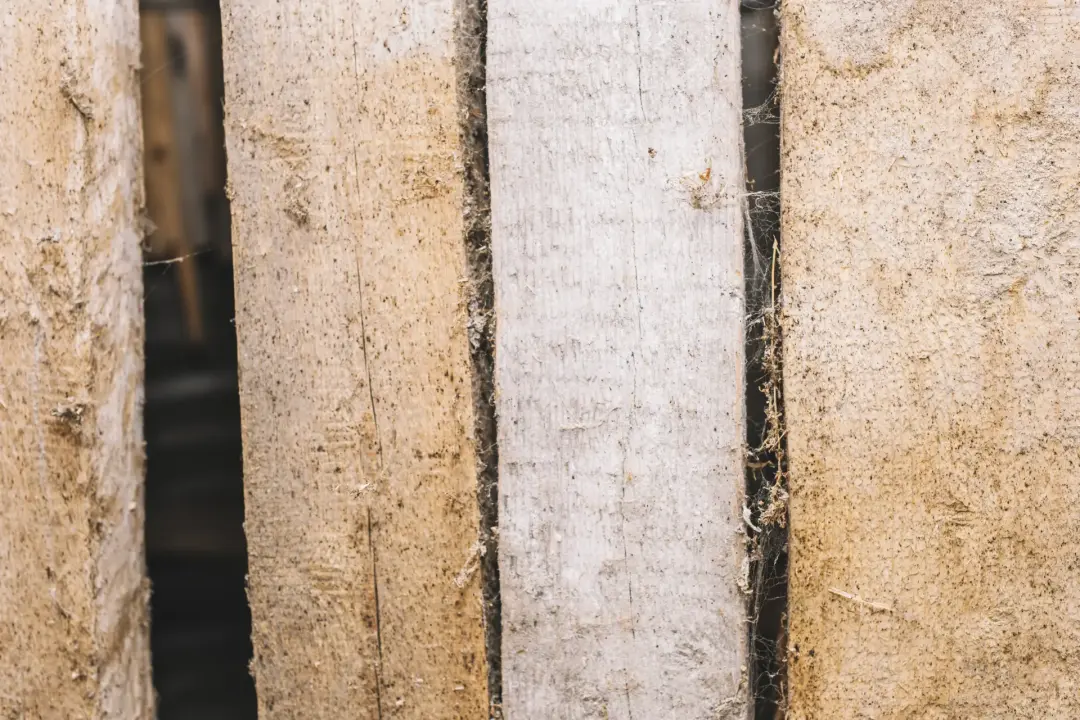
A stain, paint or protective finish can then be applied. Use a product designed for exterior fencing. Apply it evenly and pay close attention to edges and joints. More than one coat may be required.
Avoid treating only the visible patch if this will leave the panel uneven. Coating the whole board or panel can improve appearance and provide more consistent protection.
Do not allow treatment products to run onto plants, ponds or soil. Cover nearby areas where needed and store materials safely.
Clear Fallen Branches and Debris
Begin with small, light items that can be moved without risk. Wear gloves because branches may contain thorns, sharp ends or hidden nails. Place broken timber and metal fixings in a secure container so they cannot injure anyone.
Large branches require more care. Check whether they are resting on the fence or held under pressure. Cutting a branch in the wrong place may cause it to move suddenly. If the branch is heavy, raised above the ground or close to a building, contact a tree specialist.
Do not pull branches through the fence, as this may cause more damage. Support the branch and remove it in smaller sections where safe. Use only tools that you can handle confidently and follow all safety guidance.
Clear soil, leaves and plant material from around the base of the posts. This allows you to inspect the foundations and check for movement. It can also improve airflow and reduce moisture around timber.
Look for other windblown items such as bins, furniture, plant pots or shed parts. These may have struck the fence and damaged sections away from the main fall. Separate all your reusable materials from the waste. Sound boards may be suitable for another garden task, but damaged timber containing nails should be handled carefully.
Prevent Further Wind Damage
After repairing the fence, take steps to reduce the chance of similar damage during future storms. Begin by checking that every post is secure and set at a suitable depth. Strong panels cannot remain stable if their posts are weak.
Consider the design of the fence. Solid panels provide privacy but can face greater wind pressure because air cannot pass through them easily. Slatted or open designs may be more suitable in very exposed areas. A specialist can advise whether a different panel type would improve strength without reducing privacy too much.
Keep trees and large shrubs under control. Weak branches can fall onto the fence, while heavy climbing plants may add weight and trap moisture. Trim growth regularly and remove dead branches.
The fixings must be checked thoroughly at least once or twice a year. Tighten loose screws and replace rusted brackets before they fail. Gates should be kept closed and secured during windy weather. A gate that swings freely can damage its hinges and supporting post.
Improve drainage around timber posts. Waterlogged soil can soften the ground and speed up decay. Keep soil and leaves away from the wood, and use suitable gravel boards where needed.
Avoid placing heavy items against the fence. Sheds, stored timber and large planters can prevent movement and create pressure during wind. Leave enough space for inspection and maintenance.
Know When to Call a Professional
Some fence repairs can be completed safely with basic tools, but others need specialist skills and equipment. Professional help is advisable when the fence is unstable, the posts are badly damaged or large sections have collapsed.
Concrete posts and gravel boards are very heavy. Moving them without the correct equipment can lead to serious injury. A professional team can remove and replace these parts safely. Deep foundations, difficult ground and fences close to buildings may also require experienced handling.
Call a specialist when several posts have moved or when the fence continues to lean after temporary support. This may show that the foundations have failed. Replacing panels alone will not solve the problem.
You should also seek help if the fence is near electrical cables, water pipes, roads or public paths. Extra care may be needed to protect nearby people and services. Damage involving large trees should be assessed by a suitable tree specialist before fence work begins.
A professional can inspect hidden damage and recommend whether repair or replacement is more sensible. Ask for a written quote that explains the materials, labour and removal of waste.
At Welcroft Lee Logistics, we're here to provide customers with a range of timber services, including fencing installations, repairs, and much more. If you're looking for a team of people who can help install and offer guidance for those undergoing fencing projects, give us a call today.