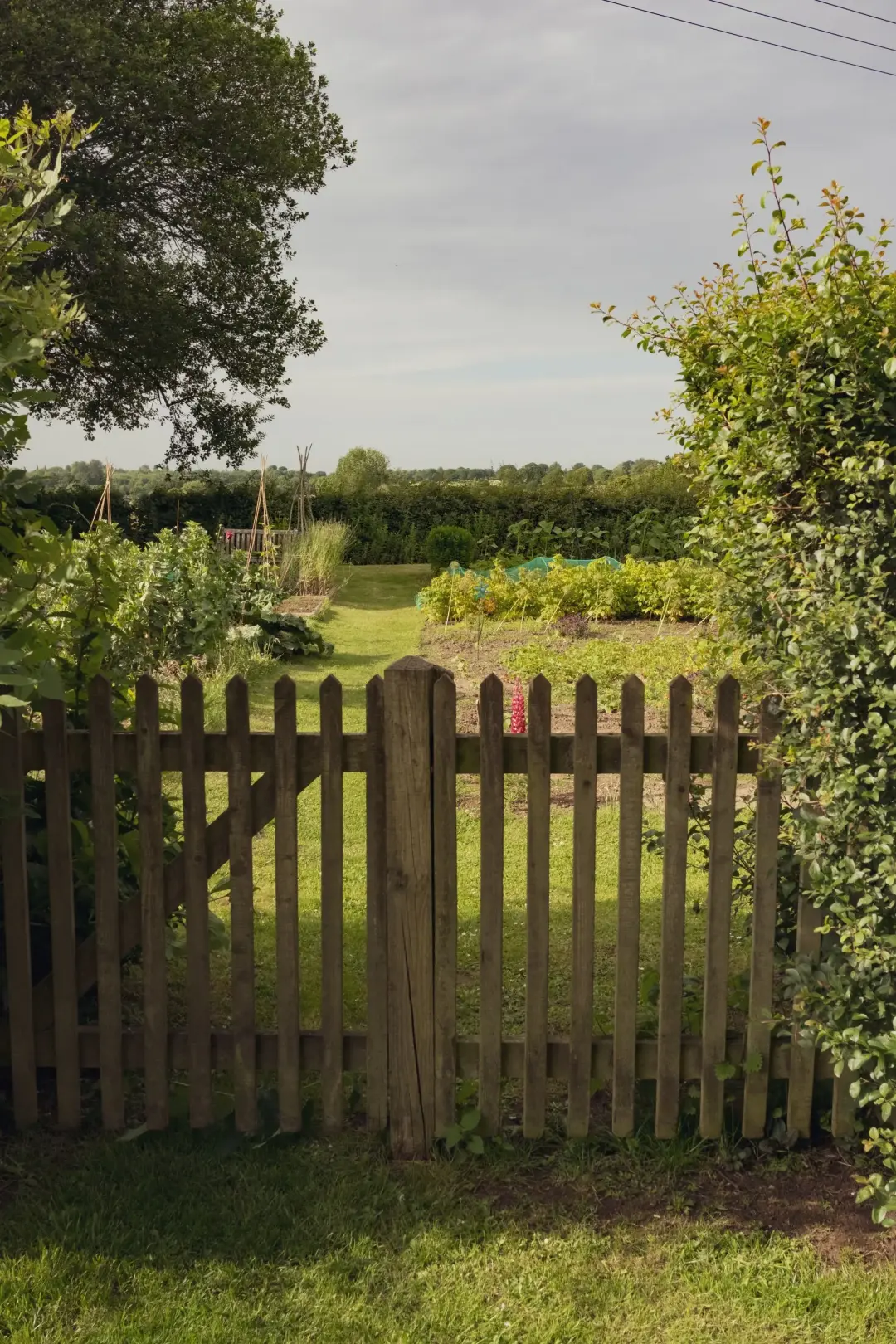
Considering if Should You Repair or Replace Your Garden Fence? Our advice helps homeowners evaluate damage, age, and costs for a safe, long-lasting boundary.
Signs Your Garden Fence Needs Attention
A garden fence often shows warning signs before it fails completely. Paying attention to these early signs can help you deal with smaller problems before they become more serious and expensive. One of the clearest signs is a fence that leans, moves in strong wind or no longer forms a straight line. This can mean that one or more posts have become loose, rotten or damaged below ground level.
You may also notice cracked panels, missing boards or gaps between sections. These problems can reduce privacy and may allow children or pets to leave the garden. Rust around metal fittings, nails or brackets can weaken the joints that hold the fence together. Timber fences may show dark patches, soft areas, splitting or signs of mould. These can all point to moisture damage or decay.
Check the base of the fence carefully, as this is where water often collects. Damage near the ground may be less visible but can have a major effect on strength. Gates that drag, fail to close or pull away from their hinges may also show that nearby posts have moved.
Do not ignore repeated rattling, creaking or movement. These sounds may mean that panels or fixings are loose. Regular checks are especially important after storms, heavy rain or long periods of cold weather. Early action may allow you to repair a small section instead of replacing a much larger part of the fence.
When a Fence Repair May Be Enough
A repair may be the right choice when the damage is limited to one or two areas and the rest of the fence remains strong. For example, a single broken board, loose panel or damaged fixing can often be replaced without disturbing the surrounding structure. This can restore the fence quickly and at a lower cost than fitting a completely new boundary.
Minor leaning may also be corrected if the posts are still in good condition. A fence specialist may be able to straighten the affected section, strengthen the posts or add support. Small cracks in timber can sometimes be filled or reinforced, provided the wood is dry and free from serious rot. Loose screws, nails, brackets and hinges can also be replaced with stronger or weather-resistant fittings.
A repair is more likely to be successful when the fence is fairly new and has been maintained well. If the panels are sound, the posts are secure and the damage was caused by a single event, such as a fallen branch, repairing the affected section may provide a lasting solution.
Before choosing this option, check whether matching materials are available. A new panel may look different if the existing fence has faded or weathered. This may not matter in a hidden part of the garden, but it could affect the appearance of a visible boundary.
Repairs should solve the cause of the problem, not just cover it. If water is collecting around a post or plants are pushing against the fence, these issues should also be dealt with to stop the damage from returning.
When Fence Replacement Is the Better Choice
Fence replacement is often the better option when damage affects several sections or when the main structure has become weak. If many panels are cracked, posts are rotten and fixings are failing, carrying out separate repairs may cost more over time than installing a new fence. A replacement can provide a safer, stronger and more consistent result.
Widespread leaning is another sign that replacement may be needed. When several posts have moved or decayed, straightening one section may place extra pressure on another. This can lead to further movement soon after the repair. Replacing the fence allows the posts, panels and foundations to be installed as one complete system.
You may also need a new fence if the existing design no longer meets your needs. Perhaps you need more privacy, better security or a stronger boundary for pets and children. A replacement gives you the chance to choose a suitable height, material and style rather than trying to change an old structure.
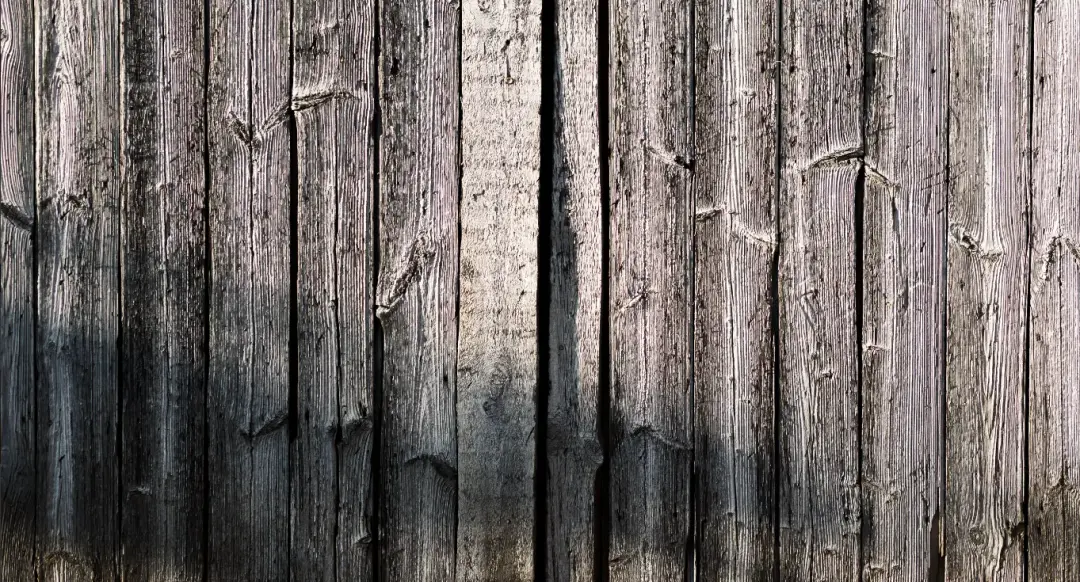
Repeated repair work is another important warning. If you have already fixed the same area several times, the surrounding materials may no longer be strong enough to hold a repair. Continuing to spend money on temporary work may not offer good value.
Replacement can also improve the appearance of the garden. A new fence creates a clean and even boundary, which may make the whole outdoor space look better. Although the starting cost is higher, a well-installed fence may require fewer repairs and provide reliable performance for many years.
Consider the Age of Your Fence
The age of a fence can help you judge whether repair or replacement is likely to offer better value. Every fence material has a limited working life, although the exact length depends on installation quality, weather conditions and maintenance. A timber fence that has received regular treatment may last much longer than one that has been left exposed to moisture.
If the fence is still fairly new, local damage may be worth repairing. A broken panel or loose fitting does not always mean the whole structure is failing. In this situation, replacing only the damaged part can protect your original investment and extend the life of the fence.
An older fence needs a more careful assessment. Even when only one area appears damaged, nearby sections may also be weakening. Timber may become dry, split or soft with age. Metal fittings may rust, while concrete posts can crack or move. Older panels may also become harder to match because the original style or size may no longer be available.
Think about how often the fence has needed attention in recent years. A fence that once required little work but now needs regular repairs may be approaching the end of its useful life. The cost and effort involved may continue to rise.
Check the Extent of the Damage
Before deciding what to do, inspect the full length of the fence rather than focusing only on the most obvious problem. Damage may spread further than expected, especially if it has been caused by rot, movement in the ground or long-term exposure to water. A careful inspection will help you understand whether the issue is local or affects the whole structure.
Start by checking each fence panel for cracks, missing boards, warping and soft areas. Push gently against the panels to see whether they feel secure. Next, examine every post. A post that moves easily may be loose below ground, even if it looks normal above the surface. Pay close attention to the point where timber enters the soil, as this area is at greater risk of decay.
Look at gravel boards, brackets, nails, screws and other fixings. Several rusted or broken fittings may show that the fence has weakened across a wider area. Always make sure to check both sides where possible, as damage may be hidden by plants, sheds or garden items.
It can be helpful to divide the fence into sections and note the condition of each one. If most of the structure is sound and the problem affects a small part, repair may be suitable. If damage appears in many places, replacement may be more practical.
Compare Repair and Replacement Costs
Cost is an important part of the decision, but the lowest starting price may not always provide the best value. A small repair is usually cheaper than full replacement, especially when only one panel, post or fitting is damaged. However, repeated repairs can become costly if the fence continues to fail.
Ask for a clear estimate that includes materials, labour, removal of waste and any work needed to prepare the ground. Repair quotes should explain which parts will be replaced and whether the work is expected to provide a long-term result. Replacement quotes should include the removal of the old fence, new posts, panels, fittings and any added features.
Compare the expected life of each option. A repair that costs less but lasts only one or two years may not be good value. A more expensive replacement may offer better value if it remains secure for much longer and needs less maintenance.
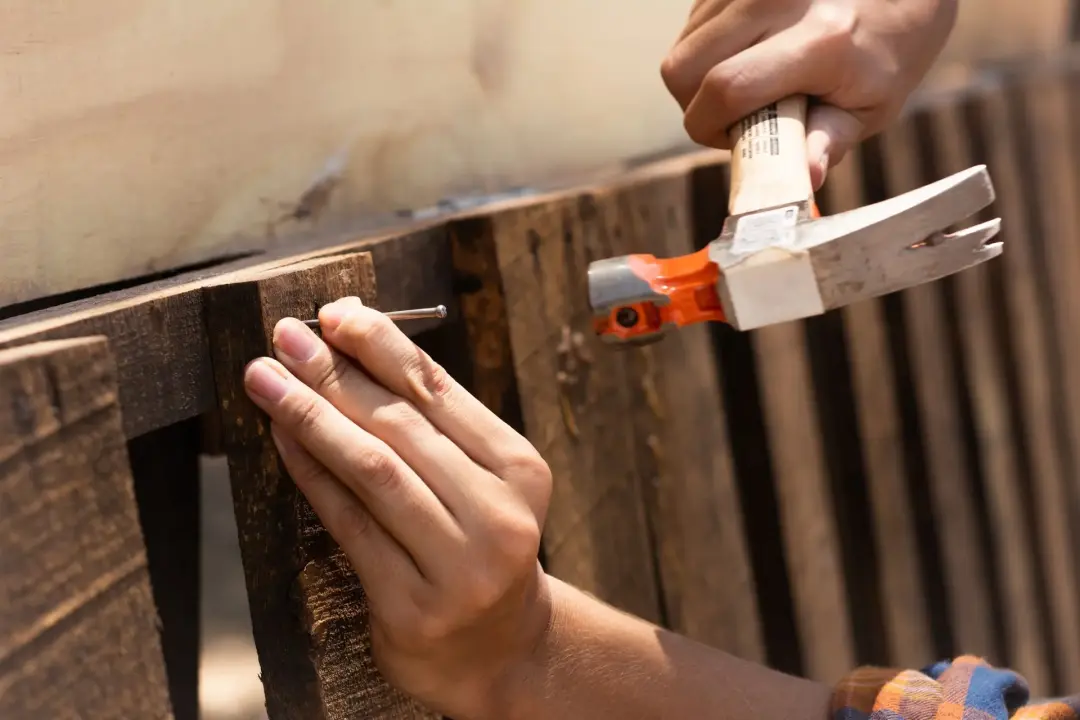
You should also consider hidden costs. Repairing an old section may reveal more damage once work begins. Matching unusual panel sizes or older materials may also increase the price. In some cases, replacing the full run with standard materials may be simpler and more affordable than completing several special repairs.
Avoid comparing quotes only by the final number. Then, check the quality of the materials and the amount of work included. A cheaper quote may use thinner panels, weaker fittings or fewer supports. The best decision should balance cost, expected lifespan, safety and the amount of future work likely to be needed.
Think About Safety and Security
A fence is more than a decorative feature. It may help keep children and pets inside the garden, reduce access from outside and mark the edge of your property. When the structure becomes weak, these functions may be affected. Safety and security should therefore be central to your decision.
Loose panels can fall without warning, particularly during strong winds. Heavy timber or concrete sections may cause injury or damage nearby plants, vehicles or buildings. Sharp nails, broken boards and rusted metal can also create hazards. A leaning fence may place pressure on nearby sections, making further collapse more likely.
If the fence borders a road, path or neighbouring property, the risk may be greater. A panel that falls outside your garden could affect other people. Temporary support may be needed until permanent work can be completed.
Security should also be considered. Large gaps, broken gates and low or unstable sections may make it easier for someone to enter the garden. They may also allow pets to escape. If the fence no longer provides a reliable boundary, a quick repair may not be enough.
When safety is affected, avoid delaying the work. Replacement may be the safer choice if several posts or panels are weak. A strong new fence can provide a secure boundary and reduce the chance of sudden failure.
Consider the Fence Material
Concrete posts and gravel boards are strong and can help keep timber away from wet ground. Small surface marks may not be serious, but large cracks or movement can reduce their strength. Damaged concrete parts are often heavy and may require specialist handling.
Metal fencing can provide strong security and may last for many years. The main problems include rust, loose joints and bent sections. Surface rust can sometimes be cleaned and treated, but serious corrosion may weaken the metal. Welding or replacement sections may be needed.
Composite fencing is designed to resist rot and usually needs less maintenance than timber. Damaged boards may be replaceable, although matching the colour and design can be difficult if the product is no longer made. Vinyl fencing can also be easy to clean, but cracked sections may need full replacement because they are not always suitable for filling or patching.
Before choosing repair or replacement, check whether spare parts are available. Some systems use special fittings or panel sizes. The cost of matching these parts may affect the decision.
Look for Rot, Rust or Loose Posts
Rot, rust and loose posts are serious warning signs because they affect the parts that give a fence its strength. Surface damage may sometimes be treated, but deeper problems can mean that repair will not last.
Timber rot often begins where wood touches the ground or where water collects. Press the area gently with a screwdriver or similar tool. If the wood feels soft, breaks apart or has a spongy texture, it may be decayed. Dark marks, a musty smell or fungal growth can also suggest moisture damage. A small rotten board can be replaced, but rot in several posts may mean the main structure is no longer reliable.
Rust affects metal fences, brackets, nails, screws and hinges. Light surface rust can often be removed before applying a protective treatment. Deep rust, holes or flaking metal may show that the part has lost strength. Replacing damaged fittings can improve a sound fence, but widespread corrosion may make replacement more sensible.
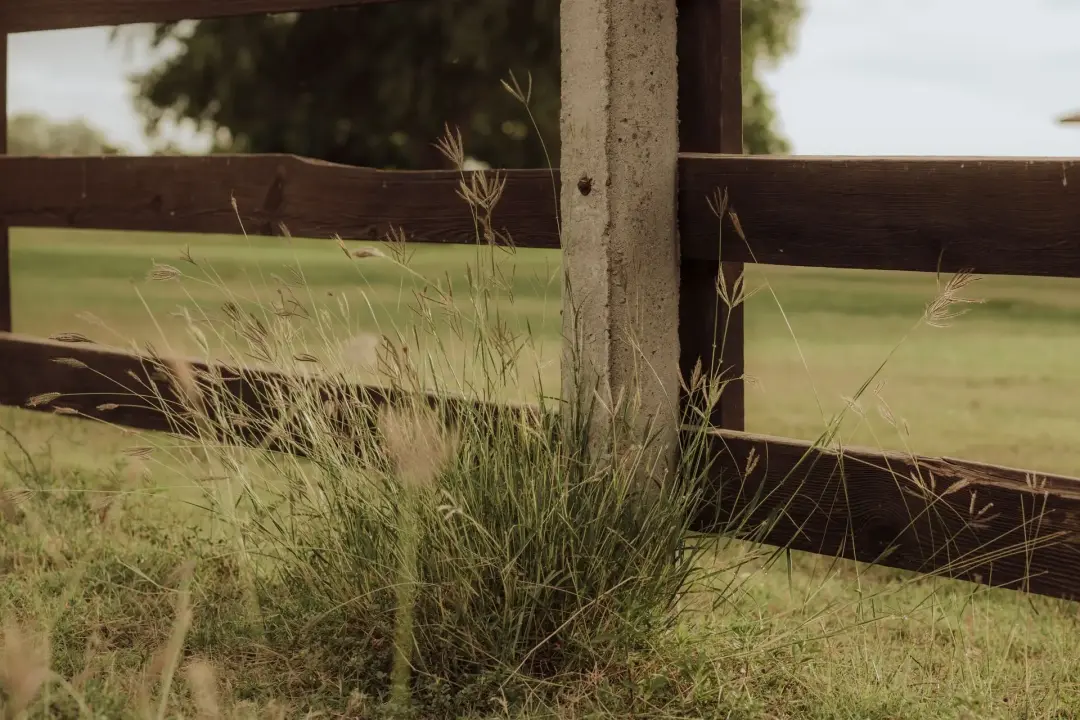
Loose posts should never be ignored. A post may move because the ground has softened, the concrete base has cracked or the buried section has rotted. Strengthening the post may work if the damage is limited. If several posts move, the fence may need new foundations.
Make sure that each post separately rather than assuming the whole fence has the same condition. Movement in one area may be caused by drainage, tree roots or ground changes. Dealing with the cause is important. Without this step, a new post or repaired section may become loose again.
Check Whether the Damage Keeps Returning
Strong wind may affect the same section because it is exposed, poorly supported or fitted with panels that do not allow enough air to pass through. Replacing loose screws may provide a temporary improvement, but it will not solve weak posts or poor spacing. Additional supports or a different panel design may be needed.
Water can also cause repeated damage. If rain collects around the base of posts, timber may continue to rot and soil may become soft. Improving drainage or fitting gravel boards may be necessary before repairing the fence. Plant growth can create similar issues. Tree roots, climbing plants and heavy shrubs may push against panels and move the structure.
Take a close look at your repair history. If you have fixed the same section more than once in a short period, compare the total cost with the price of replacement. Repeated work can become expensive and inconvenient. It may also leave the fence unreliable between repairs.
A specialist should check recurring problems, especially when the cause is not clear. They may identify weak foundations, unsuitable fittings or poor installation. Once the cause is understood, you can decide whether a stronger repair is possible or whether a new fence would be more dependable.
Consider the Appearance of Your Garden
A small repair can blend in well when matching materials are available. New timber may look lighter at first, but it can be stained or painted to create a more even finish. Replacing one panel may be suitable in an area hidden by planting or garden furniture.
Larger repairs can be harder to disguise. Different panel styles, uneven heights and several patched areas may create an inconsistent boundary. In this case, replacement may produce a cleaner and more balanced result. It also gives you the chance to choose a design that suits the rest of the garden.
Think about how the fence works with patios, sheds, planting and the outside of your home. A simple close-boarded fence may provide privacy, while decorative panels can make a smaller garden feel more open. A lighter finish may brighten a shaded area, while a darker finish can create a clear background for plants.
Appearance should not come before strength, but it is still an important part of the decision. A secure fence that looks poorly matched may reduce your enjoyment of the garden. If you plan to sell the property, a neat boundary may also improve the first impression.
Think About Future Maintenance
The amount of future maintenance can make a major difference to the long-term value of your decision. Repairing an older fence may solve the current problem, but other sections may soon need attention. Before spending money, consider how much time and effort you are willing to give to regular care.
Timber fences often need cleaning, staining, painting or treatment to protect them from moisture. Damaged coatings should be renewed, especially on cut ends and areas close to the ground. Plants should be kept away from the panels so air can move around the wood. These tasks can extend the life of the fence but must be repeated.
Metal fences may need rust removal and protective paint. Hinges, locks and joints should also be checked. Composite, concrete and vinyl products normally require less treatment, although they still need cleaning and occasional inspection.
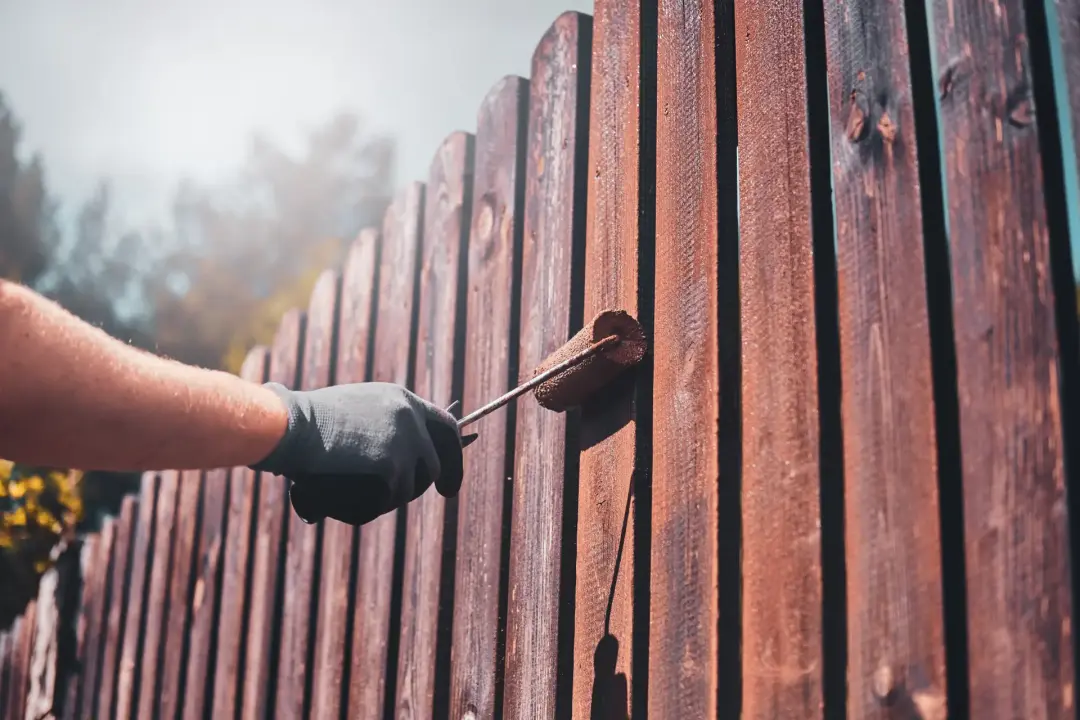
If you prefer a low-maintenance garden, replacing an old timber fence with another material may be worth considering. The starting cost may be higher, but the fence may need less regular work. You should still check the manufacturer’s care guidance before choosing.
Maintenance also depends on location. Fences in damp, shaded or exposed areas may need more attention. Sections near trees, soil banks or water may wear more quickly.
Ask how long a repair is expected to last and what care it will need. A decision should not be based only on the work required today. It should also reflect the likely maintenance, cost and effort over the next several years.
Get Advice From a Fence Specialist
A specialist should inspect the full boundary, not only the damaged part. They can check the posts, panels, fixings, drainage and nearby ground. They may also identify problems caused by tree roots, poor installation or unsuitable materials.
Ask for an explanation of the available options. A good specialist should tell you whether a repair is likely to last, which parts need replacing and whether further problems are expected. They should also explain the benefits and limits of full replacement.
Obtain a written quote that lists the materials, labour and waste removal. Look to see whether the work includes treatment, painting, new foundations or adjustments to gates. It is sensible to compare more than one quote, particularly for a large replacement.
You may also need advice about boundaries, shared fences or local rules. A specialist can help explain practical issues, but legal ownership should be checked through property documents or suitable professional advice.
Choose someone with relevant experience and clear examples of previous work. Reviews, references and written guarantees may provide added confidence.
Making the Right Choice for Your Property
Begin with a careful inspection, ensuring you assess every panel, post, fixing and gate. Look for rot, rust, movement, cracks and signs of water damage. Consider the age of the fence, but remember that condition and installation quality are more important than age alone.
Compare the full costs of both options. Include future repairs, maintenance and the expected lifespan of the work. A low-cost repair may be sensible for a newer fence, but it may offer poor value on a structure that is already failing in several places.
Your choice should also support privacy, security and the way you use the garden. Think about children, pets, nearby paths and neighbouring properties. If there is any risk of collapse, make the area safe and arrange work without delay.
Appearance and maintenance should also be included in the decision. A new fence may allow you to choose a stronger material, a more suitable style or a lower-maintenance finish.
At Welcroft Lee Logistics, we're here to provide customers with a range of timber services, including fencing installations, repairs, and much more. If you're looking for a team of people who can help install and offer guidance for those undergoing fencing projects, give us a call today.