Sustainable Practices in Commercial Waste Disposal: A Greener Approach for UK Businesses
Going green does not always require a business to make sweeping changes overnight. When it comes to commercial waste, some of the most effective improvements are also among the simplest.
Buying more carefully, reusing materials, keeping recycling separate and looking at what is being thrown away can all make a difference. Better waste management can also help businesses make more efficient use of the products and materials they pay for. For UK businesses looking to become more sustainable, the best place to start is often before something reaches the bin.
Think Beyond Recycling
Recycling has an important place in responsible commercial waste management, but it should not be the first option.
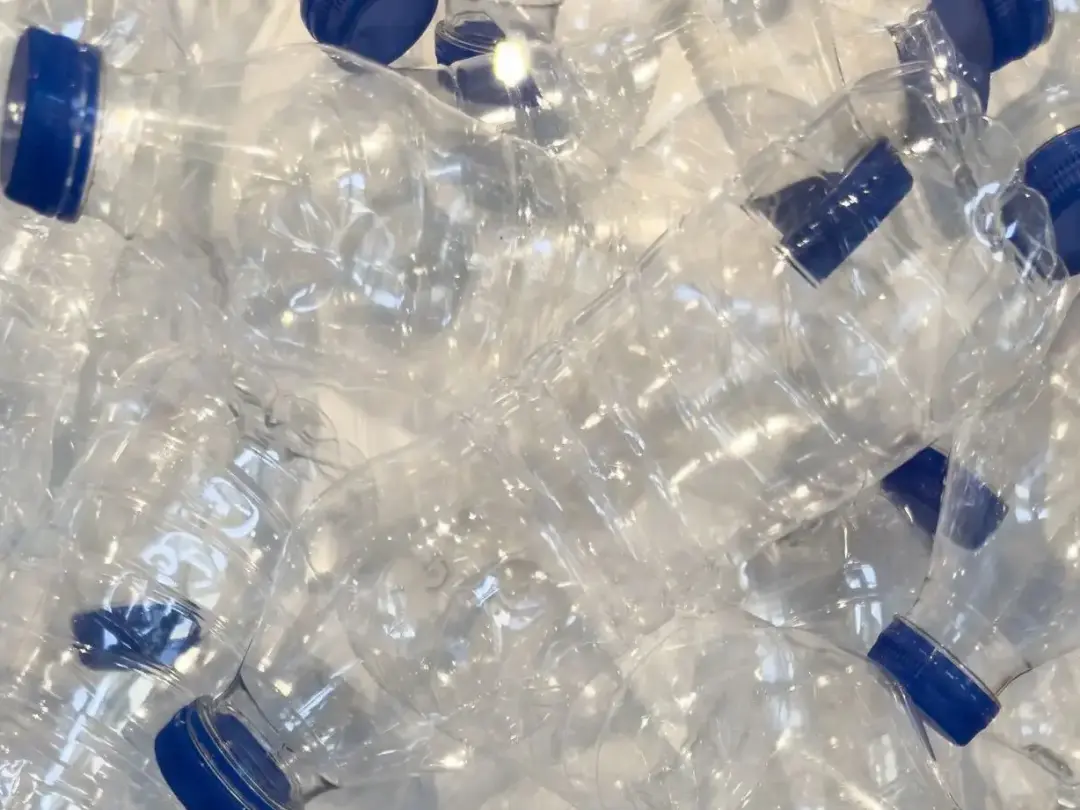
The UK's waste hierarchy puts prevention first, followed by preparing items for reuse, recycling, other forms of recovery and, finally, disposal. The basic idea is simple: avoiding waste in the first place is generally better than finding somewhere to send it afterwards.
Instead of only asking, "Can we recycle this?", it can be more useful to ask:
- Do we need to buy it in the first place?
- Could we buy less of it?
- Is there a reusable alternative?
- Could somebody else use it when we no longer need it?
- Can its materials be recycled when it reaches the end of its useful life?
Start by Finding Out What You Throw Away
It is difficult to reduce waste without knowing where it comes from.
A simple review of the rubbish produced across a workplace can reveal useful patterns. A business might discover large amounts of unused packaging, spoiled food, disposable cups, unwanted printed material or products that regularly reach the end of their shelf life.
Perhaps supplies are being ordered in quantities that are too large. Maybe products arrive with more packaging than necessary. Staff might not have convenient recycling containers, or reusable items could be discarded simply because there is no clear system for keeping them.
Even a basic record of the types and approximate quantities of waste produced can help a business set priorities. There is no need to change everything at once. Tackling one common source of unnecessary waste can be a practical starting point.
Make Purchasing Part of Your Waste Plan
Waste management begins when something is bought, not when it is thrown away. Businesses can therefore look at purchasing decisions through a sustainability lens. Where suitable, this might mean choosing products that are durable, repairable or reusable. It could also mean buying supplies with less packaging, avoiding unnecessary single-use items or asking suppliers whether packaging can be returned.
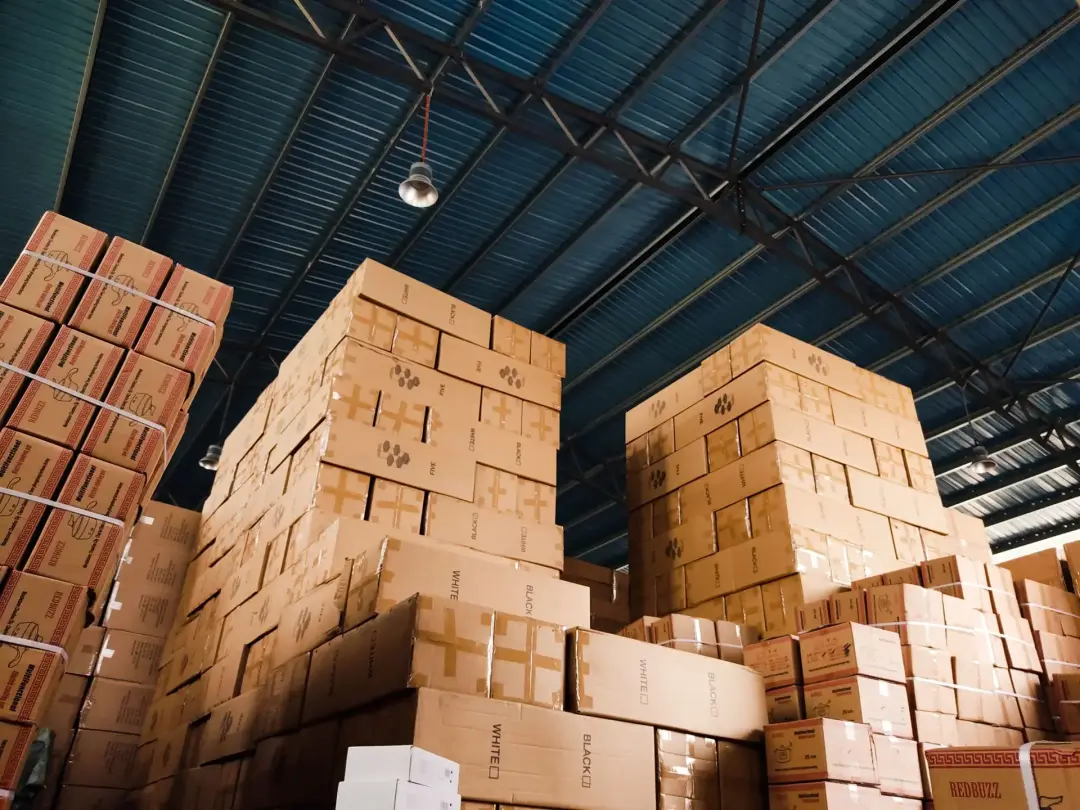
Ordering the right quantities matters too.
Buying in bulk can sometimes reduce packaging, but ordering more than the business can actually use may simply create another source of waste. The greener choice is usually the one that matches what the organisation genuinely needs.
Businesses can also speak to suppliers about their packaging and delivery methods. A supplier may offer returnable containers, reusable transport packaging or alternatives containing recycled material.
Small purchasing changes can gradually prevent a surprising amount of material from entering the waste system.
Give Products a Longer Working Life
A chair with a damaged wheel does not necessarily need replacing. Neither does a desk with a loose fitting or equipment with one worn component. Repair and maintenance can keep useful products in service for longer. That can reduce waste while delaying the cost and environmental impact associated with replacement.
Businesses can build this approach into normal operations by maintaining equipment properly and considering whether damaged items can be repaired before ordering replacements. There may also be opportunities to reuse items elsewhere within the organisation. Furniture that is no longer suitable for a customer-facing area, for example, might still be perfectly useful in a storeroom or staff area.
When a business genuinely has no further use for something, donation, resale or another suitable reuse route may give it a second life. The aim is straightforward: get as much useful life as reasonably possible from products and materials before treating them as waste.
Make Reuse Easy for Staff
Reusable alternatives work best when they are convenient.
A workplace could provide reusable cups, glasses, plates and cutlery rather than relying on disposable versions. Refillable containers may be suitable for some cleaning products or workplace supplies, while reusable delivery containers can sometimes replace single-use packaging.
Businesses should consider the practical needs of their workplace before making changes. A reusable product that is difficult to clean, store or return may not deliver the expected benefit. The system around the product matters just as much as the product itself.
Clear storage areas, simple instructions and easy access can help staff make reuse part of their normal working day rather than another job to remember.
Take a Smarter Approach to Food
Food businesses have particularly good opportunities to prevent waste. The government's food and drink waste hierarchy places preventing surplus and waste ahead of redistribution, animal feed, recycling, recovery and disposal.

Better stock control can therefore have environmental and commercial benefits. Businesses can review ordering patterns, monitor what regularly goes unused and adjust quantities where appropriate.
Careful storage and stock rotation can also help ingredients and products remain usable for longer. Where safe and suitable surplus food remains, redistribution may provide another route before it becomes waste.
For food that cannot be prevented or redistributed, separate collection can allow it to be treated through routes such as anaerobic digestion or composting, depending on the collection and treatment service available.
Keep Recycling Simple
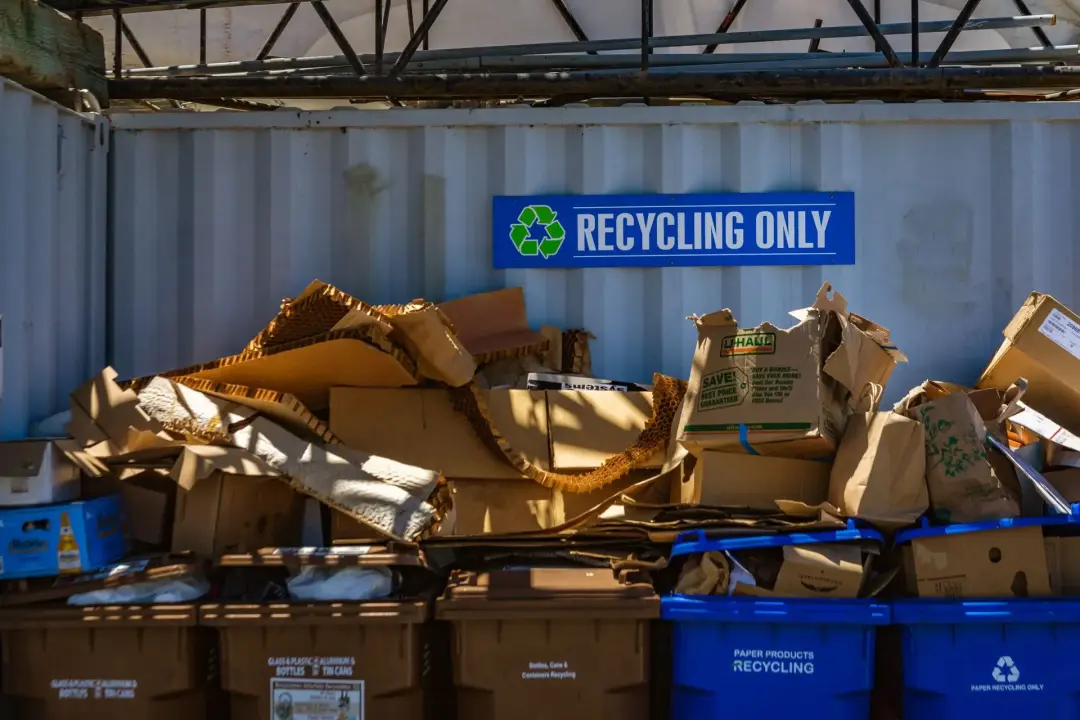
When waste cannot be prevented or reused, good separation can help recyclable material stay useful. The system should be easy to understand. Clearly labelled containers placed close to where waste is actually produced can make correct separation easier for staff.
Businesses should also check what their waste collector accepts rather than assuming that every material displaying a recycling symbol can go into the same container. Keeping unsuitable materials out of recycling is important because contamination can make recycling more difficult.
In England, workplace recycling rules require businesses and other workplaces covered by the rules to separate dry recyclable materials, food waste and non-recyclable waste before collection. Micro-firms with fewer than 10 full-time equivalent employees have until 31 March 2027 to comply.
Rules vary across the UK, so businesses operating in Scotland, Wales or Northern Ireland should follow the requirements that apply where their premises are based. For example, Wales requires workplaces to separate specified materials for recycling, with small waste electrical items added to the requirements from April 2026.
Work With Your Waste Collector
A commercial waste collection should provide more than an empty bin. Businesses can ask their waste provider what happens to different materials after collection, which materials should be kept separate and whether additional recycling options are available.
Collection schedules are worth reviewing too. If half-empty containers are routinely being collected, a different container size or collection frequency may be more suitable. Equally, overflowing containers can make separation harder and create an untidy working environment. Businesses also have legal responsibilities for their commercial waste. In England, this includes keeping waste to a minimum where reasonably possible, storing it safely and securely, completing the required waste transfer documentation and checking that the waste carrier is registered.
Using a legitimate waste service is therefore an important part of both responsible disposal and good business practice.
Get Everyone Involved
A waste policy sitting in a folder will not reduce much waste by itself. Staff need to know what the business is trying to achieve and, more importantly, what they can do to help. Instructions do not have to be complicated. Clear signs above bins, short reminders and simple guidance for new employees can often be more useful than pages of rules.
Businesses could also share progress with their teams. Showing that the workplace has reduced general waste or increased reuse gives employees a visible result from their efforts. Staff can be a useful source of ideas as well. The people carrying out a task every day may be the first to notice unnecessary packaging, repeated waste or opportunities to reuse materials.
Sustainability works best when it becomes part of normal working habits.
Measure Progress Rather Than Chasing Perfection
Going green is an ongoing process. A business does not need to become waste-free immediately to make worthwhile progress. Setting realistic goals and reviewing them regularly can be more effective.

Useful measures might include the amount of general waste collected, quantities of key recyclable materials, food waste levels or the number of disposable products being purchased. The information can then guide the next improvement.
If general waste remains high, for example, the business can investigate what is still being thrown away. If a particular material suddenly increases, purchasing records may help explain why.
This turns waste management into something that can be improved over time rather than simply another regular bill.
Less Landfill Can Make Business Sense
Reducing reliance on landfill supports the wider aim of keeping materials in productive use for longer. There is also a financial reason to avoid unnecessary disposal. Landfill Tax applies to taxable waste disposed of at licensed landfill sites in England and Northern Ireland. From 1 April 2026, the standard rate is £130.75 per tonne and the lower rate for qualifying material is £8.65 per tonne. The government states that the tax is intended, in part, to encourage alternatives including recycling, composting and recovery.
The amount an individual business pays for waste collection will depend on its provider, waste type, quantity and service arrangements. However, preventing unnecessary waste means there is simply less material requiring collection and treatment.
That is one reason environmental and business goals can work well together.
Build a Greener Business One Change at a Time
Sustainable commercial waste management does not have to begin with an ambitious environmental programme.
It can start with a purchasing decision. It can start with repairing a piece of equipment. It can start with better stock control, clearer recycling containers or asking a supplier to reduce unnecessary packaging. What matters is moving waste management higher up the priority list and looking for ways to keep useful products and materials in use.
Prevent what you can. Reuse what still has value. Separate recyclable materials properly. Dispose of what remains through an appropriate commercial waste service. Taken together, those everyday decisions can reduce waste, make better use of business resources and lessen pressure on the environment.
For businesses ready to make their waste management greener, a reliable commercial waste collection service can help ensure the material that does leave the workplace is handled responsibly and in line with the relevant requirements.
Looking for a simpler, more sustainable way to manage your commercial waste? Contact Welcroft Lee Logistics today to learn more about our commercial waste services and how we can help your business manage waste responsibly and efficiently.