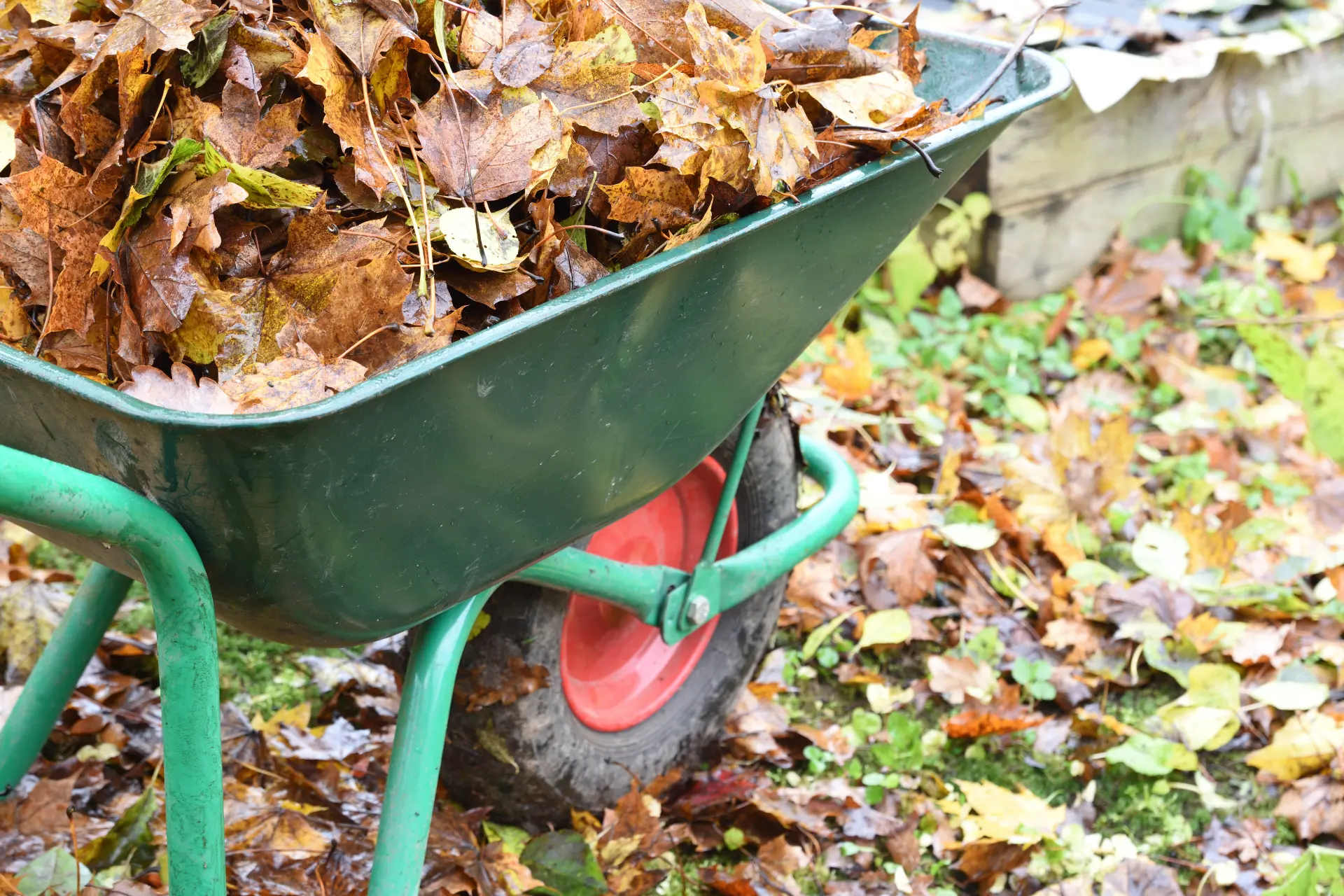
We explore the benefits of clearing garden waste regularly. Regular clearance helps remove leaves, weeds, branches, grass cuttings, and other green waste before it becomes a bigger problem.
Garden waste can build up quickly, leaving your outdoor space untidy, unsafe, and harder to enjoy.
It can also support healthier plants, reduce pest risks, prevent slippery surfaces, and keep your drains clear. This article explains the main benefits of clearing garden waste regularly and how Welcroft Lee Logistics can help homeowners keep their gardens clean, practical, and ready to use.
Why Garden Waste Builds Up Over Time
Garden waste builds up over time because outdoor spaces are always changing. Grass will grow, leaves will fall, flowers will fade, branches will break, and weeds will spread. Fallen leaves can quickly cover your lawn, paths, flower beds, and drains, and if this waste isn't cleared up, it can form damp piles that are harder to move later on.
Leaving garden waste for too long can also cause problems since rotting leaves and grass can create bad smells, attract pests, and encourage mould to start growing. Piles of branches, weeds, and old plants can give insects and small animals places to hide, and waste can block sunlight and air from reaching healthy plants, which can slow down their growth.
Clearing your garden waste regularly can help keep the garden clean, safe, and easier to manage. It reduces slip risks, keeps your lawn healthier, and makes your outdoor area look more cared for. Regular waste clearance also stops the waste from becoming too heavy, wet, or tangled, which helps make each job quicker and less stressful to do.
Keeping Your Garden Looking Tidy
Fallen leaves, cut grass, weeds, dead plants, broken branches, and hedge trimmings can all quickly build up in your garden, especially during busy growing seasons. When this waste is left for too long, it can cover up your lawn, block paths, and make your flower beds look crowded.
Clearing your garden waste regularly can help you give the entire space a cleaner and fresher look. Your lawns can appear neater, paths and patios can look safer, and your borders will also look better when old stems, weeds, and dead flowers are cleared away.
Garden waste clearance also helps you show off the shape and design of your garden. Plants, trees, and features such as seating areas or paving can stand out more once the clutter is removed, which can make the garden feel more open, organised, and pleasant to use.
Making Outdoor Spaces Safer to Use
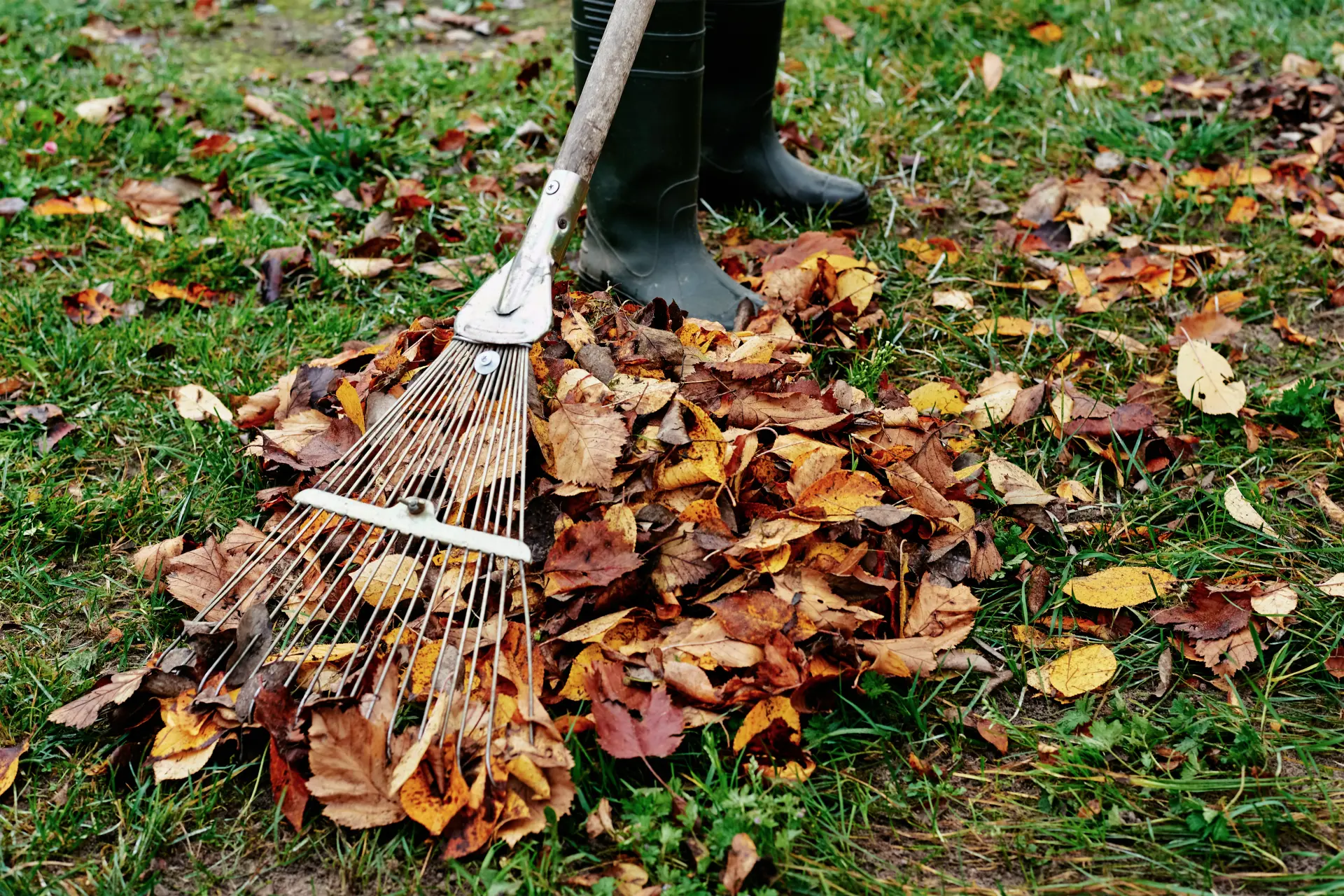
Leaves, grass, weeds, and broken branches can quickly overtake your garden, and when these materials become damp, they can become slippery and increase the risk of slips and falls.
Garden waste can also hide hazards such as twigs, sharp branches, loose stones, and uneven ground. This can be a problem for children, older people, pets, and anyone walking through the garden at night.
Regularly clearing your garden waste can also help you keep your paths, drains, and entrances clear. Drains that have been blocked by piles of leaves can quickly develop problems like standing water, which can create muddy areas and slippery surfaces.
Reducing the Risk of Pests
Piles of damp leaves, grass cuttings, weeds, dead plants, and branches can create the perfect place for pests to hide and settle. When your garden waste is left for too long, it can begin to rot, which may attract insects, flies, slugs, snails, and other unwanted visitors.
Damp waste can also provide cover for small animals that are looking for a safe place to hide too, and once these pests have become settled, they may move closer to your patios, sheds, bins, or even the home itself.
Clearing your waste often can help you break this cycle. By removing fallen leaves, old plants, and grass cuttings, you're essentially removing the shelter that pests rely on, and it also allows more air and sunlight to reach the ground, which can help reduce damp patches.
Helping Plants Grow Better
Regularly clearing up your garden can help your plants grow better by giving them more space, light, and air. Fallen leaves, weeds, grass, and broken branches can build up around flower beds, lawns, shrubs, and trees, and when this waste is left for too long, it can cover up healthy plants and stop them from getting the sunlight they need.
Additionally, when old or dead plants become damp and heavy, they may press down on younger shoots and make it harder for them to grow. Cleaning your garden regularly also helps reduce weeds. Weeds compete with your garden plants for water, light, and nutrients in the soil, and by removing weeds and unwanted growth early on, your plants have a better chance of developing healthy roots and leaves.
Improving Airflow Around Plants
Clearing your garden waste can help you improve the airflow around your plants and help them stay healthier. Fallen leaves, weeds, dead flowers, grass, and broken branches can build up around your flower beds, borders, shrubs, and trees, which can crowd the plants and stop air from moving freely between the leaves and stems.
When plants aren't covered or crowded by waste, they have more room to spread out - their leaves can receive more light, and their stems are less likely to become weak or bent. Regular garden waste clearance also makes it easier to inspect your plants. You can spot yellowing leaves, pest damage, broken stems, or signs of disease before the problem spreads, which can help you act sooner and protect the rest of your garden.
Preventing Slippery Paths and Patios
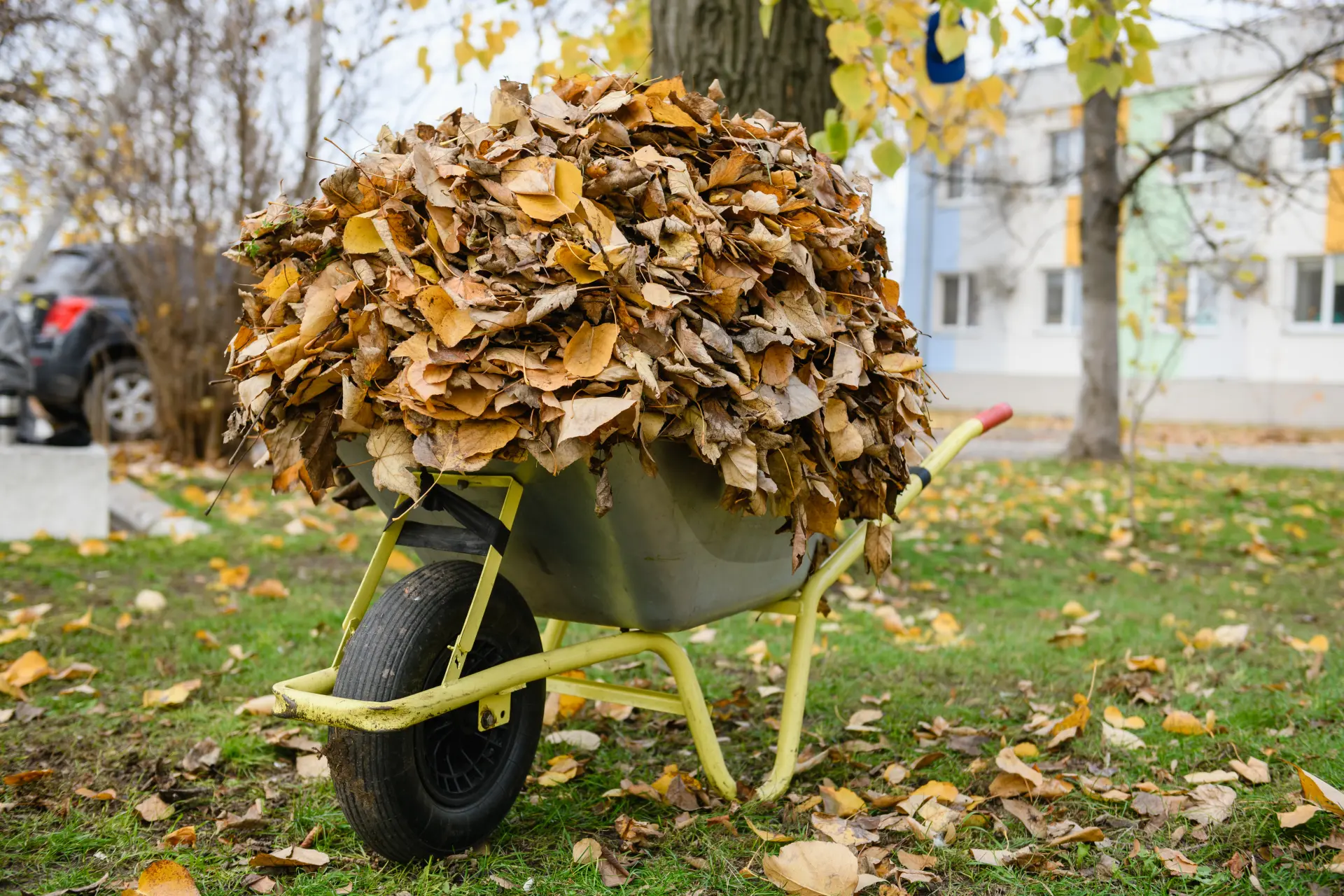
Clearing your garden waste is great for preventing slippery paths and patios because it removes the materials that often cause slips. Fallen leaves, grass, moss, weeds, mud, and small twigs can build up quickly on hard surfaces, and when they become wet, they can form a slick layer that's easy to slip on.
Leaves and plant waste can also retain moisture for a long time, even after it's stopped raining, so if this waste is left on your paving, decking, steps, or patio slabs, it can make the surface harder to walk on or grip. By removing garden waste regularly, you can keep your paths, patios, and steps cleaner, safer, and easier to walk on throughout the year.
Making Lawn Care Easier
When leaves, sticks, and other garden waste are cleared from the lawn, your mower can move along the grass smoothly and cut it more evenly. It also helps protect the mower blades from hidden branches, stones, or other hard objects.
Regularly removing waste also allows the lawn to dry better after it's rained or after you've watered it, which can help the grass grow stronger and healthier. It also makes jobs such as feeding, watering, reseeding, and aerating much easier because when the lawn is clear, water and lawn care products can reach the soil more effectively.
Avoiding Blocked Drains and Gutters
Rain and wind can quickly move your garden waste across your lawn, patio, path, or roof, and if this waste reaches the drain or gutter, it can stop water from flowing away properly. Blocked drains and gutters can cause several problems. For example, rainwater may overflow and pool on your patio, or it may run towards the house, which can lead to damp patches, slippery surfaces, and water damage.
Clearing up your garden waste can help you keep rainwater moving in the right direction, and it also makes it easier to spot early signs of trouble, such as slow-draining water, overflowing gutters, or leaves that are piled around the drain cover.
Reducing Bad Smells From Rotting Waste
Clearing your garden waste is a great way to reduce bad smells in your garden. Leaves, grass, weeds, fruit, and branches can build up and break down in your garden, and they can create unpleasant smells, especially during warm or damp weather. Rotting garden waste often traps moisture as well, which can create soggy piles that smell worse over time.
Grass cuttings can be a common cause of bad smells, since they can become hot, slimy, and sour if they're clumped together in thick heaps. Fallen or rotten fruit and dead plants can also attract flies, insects, and other pests, which can make the garden smell and feel less clean.
Creating More Usable Garden Space
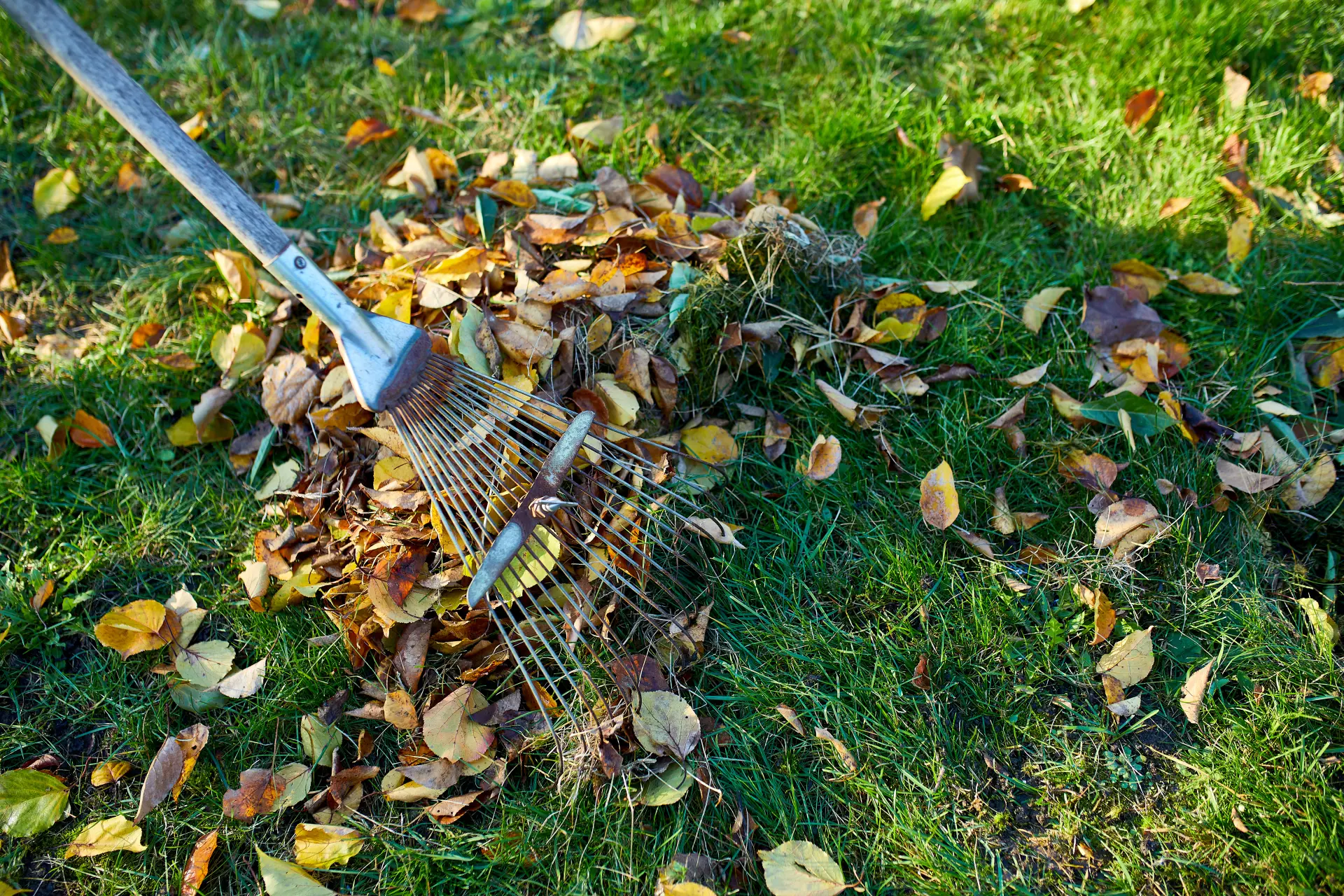
Clearing up your garden waste is a great way to create more usable garden space. Garden waste can quickly take over your lawn, borders, patio, and paths, and when this waste is left to rot, the garden can start to feel smaller, messier, and harder to enjoy.
Clearing your garden waste opens up the space and makes each area easier to use. Patios can be used for seating, lawns can be easier to walk on, mow, and enjoy, and your borders can look clearer when dead plants and weeds are removed.
Making Seasonal Garden Jobs Easier
Regularly clearing your garden waste makes seasonal garden jobs easier to do because it keeps the space tidy and ready for each task. Leaves, grass, weeds, plants, and branches can build up throughout the year, and if they're left for too long, simple jobs like mowing can take forever to do.
During spring, a clear garden makes it easier for you to prepare your flower beds, plant flowers, cut back old growth, and feed the soil. In summer, removing grass cuttings, weeds, and hedge trimmings can help you keep jobs like mowing, watering, and pruning more manageable. In autumn, clearing fallen leaves stops them from covering the drains, and in winter, removing branches and soggy plant waste helps you keep the garden safer and easier to inspect.
Supporting Better Soil Health
Garden waste that's left in thick, damp piles can stop air and water from reaching the soil properly. Healthy soil needs a good balance of air, moisture, and natural matter, and when you clear your waste often, the soil is less likely to become compacted, soggy, or covered by rotting material. This can help your plant roots grow stronger and allow water to drain more evenly.
Clearing waste also helps reduce weeds, which can take nutrients and water away from the soil, leaving less for the plants you want to grow. Removing weeds early on also helps you protect the quality of the soil in your flower beds, borders, and lawns. Some garden waste, such as leaves and grass cuttings, can be composted and reused later on since they can add useful natural matter back into the soil.
Clearing Waste After Pruning and Weeding
Clearing your garden waste can be very useful after pruning and weeding your garden, since these jobs can leave behind cut branches, hedge trimmings, dead stems, weeds, leaves, and loose soil. If this waste isn't removed, it can quickly make the garden look messy and unsafe. Clearing any waste after pruning helps keep the flower beds, borders, lawn, and paths neat and tidy, and it also stops sharp twigs and branches from becoming trip hazards.
Clearing any waste after you've removed weeds is also important because some weeds can drop their seeds or grow again if they're left in the soil. By removing them straight away, you can reduce the chance of weeds growing and spreading again.
We provide garden waste clearance services in Eastbourne, Brighton and Hastings to help you keep your outdoor spaces clean, safe, and easy to use. From removing leaves, weeds, branches, and grass cuttings to general waste, we aim to remove your unwanted garden waste quickly and responsibly.