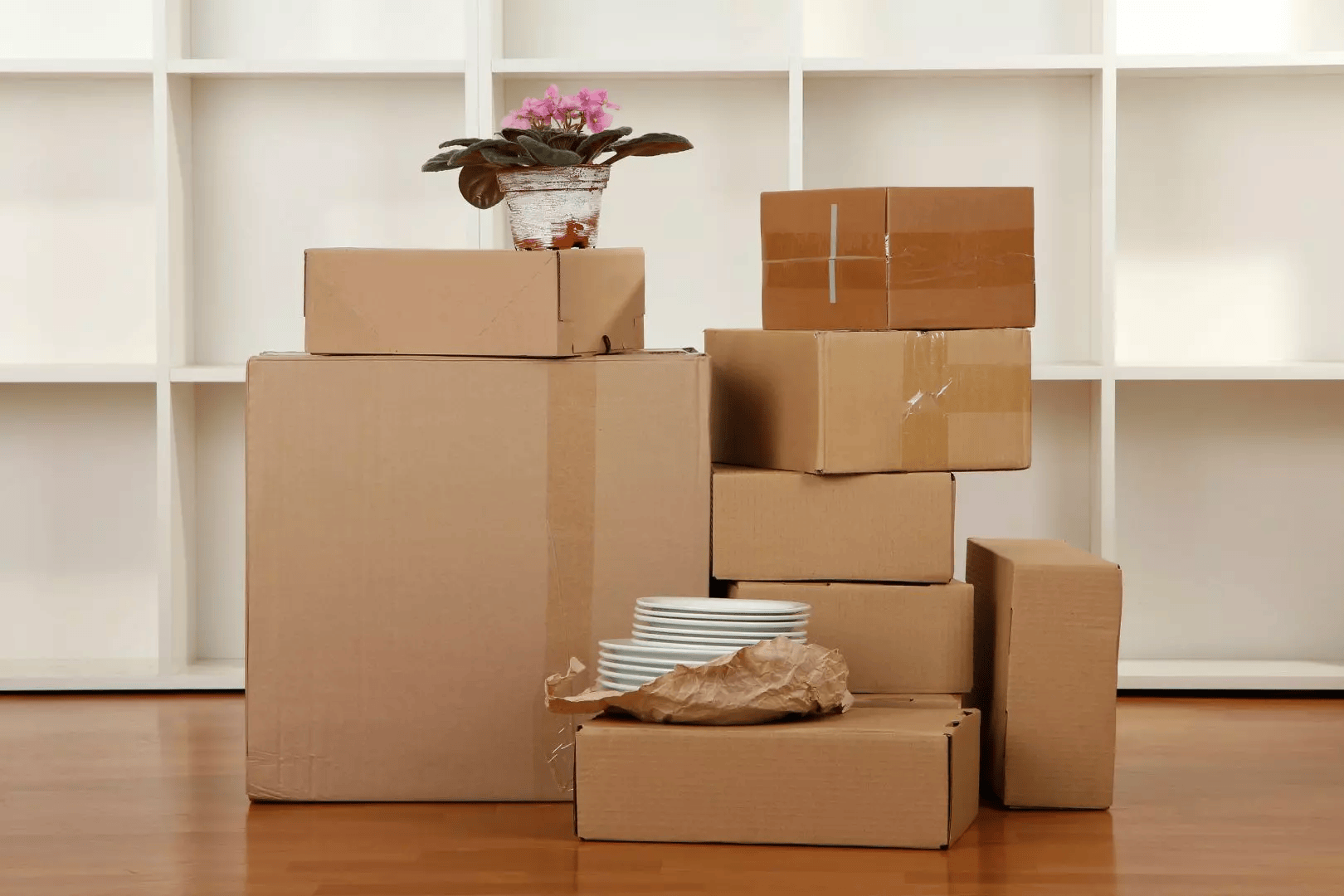
We look at why waste cardboard collection matters? Discover how expert waste collection helps your business recycle efficiently, reduce costs, and improve environmental responsibility.
Why Proper Cardboard Disposal Is Important
Proper cardboard disposal matters because cardboard is too valuable to be treated as mixed rubbish. When it is thrown away with general waste, it often ends up contaminated by food, liquids or other materials. Once that happens, it may be harder or even impossible to recycle. A simple act, such as separating cardboard from other waste, can make a major difference to whether it is reused or lost.
It is also important because cardboard waste builds up quickly. In busy settings such as retail units, offices and stockrooms, deliveries arrive every day, and packaging soon starts to pile up. Without a reliable method of disposal, cardboard can take over work areas, corridors and storage spaces. This affects how well people can move around and work, and it can make a site feel disorganised.
Another reason proper disposal matters is that it helps protect wider waste systems. Recycling works best when materials are clean, sorted and stored properly before collection. Flattened cardboard, kept dry and placed in the correct container, is much easier for waste teams to handle and process. This improves the quality of recyclable material and reduces waste at every stage of the chain.
Proper disposal also reflects responsible behaviour. Whether you’re in a household or a business setting, the way waste is handled says a lot about standards and priorities. While cardboard may seem like a small issue compared with other forms of waste, good practice of waste removal adds up over time. By disposing of it properly, people and organisations help create cleaner spaces and support a more responsible use of resources.
The Environmental Benefits of Cardboard Collection
One of the biggest environmental benefits of cardboard collection is that it helps keep recyclable material out of landfills. When cardboard is sent to a landfill instead of being recycled, its useful life ends too soon. This means more new raw material is needed to produce replacement packaging. Collecting it properly allows the material to be reprocessed and used again, which is a far better outcome for the environment.
Cardboard collection also helps reduce the demand for virgin materials. Making new cardboard from raw fibres requires natural resources, including wood, water and energy. When cardboard is used, recovered and recycled, fewer of these resources are needed. This supports a more sustainable cycle of production and helps reduce the strain placed on forests and other natural systems.
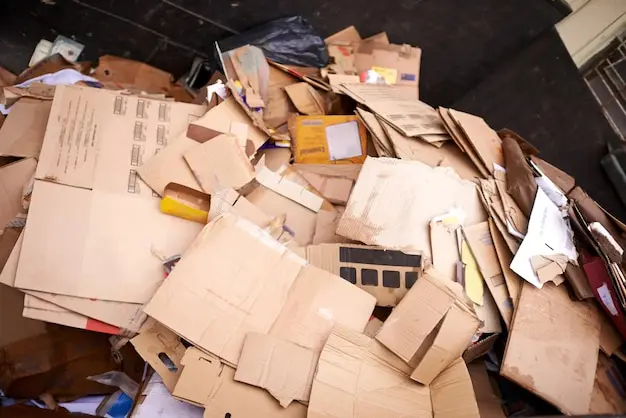
Another benefit is the reduction of emissions linked to waste and production. Recycling cardboard usually requires less energy than producing new material from scratch.
Better collection supports this process by ensuring more cardboard is suitable for recovery. At the same time, diverting it from landfill can help reduce the environmental impact linked to waste disposal and transport inefficiency.
Cardboard collection also encourages better public awareness of recycling and waste reduction. When people regularly separate and store cardboard correctly, they become more aware of how everyday actions affect the environment.
This can lead to wider improvements in waste habits, including better sorting of paper, plastics and other recyclable items. In this way, cardboard collection does not just solve one problem; it allows for much more environmental responsibility.
How It Helps Businesses Manage Waste Better
For businesses, effective waste cardboard collection brings structure to what can otherwise become a messy and time-consuming issue. Packaging waste often arrives in large volumes, especially in sectors that receive stock frequently. A planned collection system means staff know where to place used cardboard, when it will be removed and how it should be prepared. This reduces confusion and makes waste handling part of a clear routine.
It also helps businesses make better use of space. Cardboard boxes, inserts and sleeves can fill storerooms, loading bays and back-office areas very quickly. If they are not broken down and collected regularly, they can get in the way of stock, equipment and staff movement. A strong collection process helps keep these spaces clear, which supports productivity and makes the working environment easier to manage.
Better cardboard collection can also improve standards across the site. Clean, organised waste areas are easier to monitor and maintain. Staff are more likely to follow good practice when the system is simple and consistent. This reduces the chance of recyclable cardboard being mixed with general rubbish and helps managers keep better control of waste streams. In many cases, it also makes the business look more professional to visitors, customers and inspectors.
There can also be a number of financial and reporting benefits. Businesses that separate their cardboard properly may decrease the amount of general waste they produce, which can lower disposal costs in some cases. Clearer waste handling can also make it easier to track recycling performance and support environmental targets. For organisations that want to show progress in sustainability, proper cardboard collection is a practical step that can produce visible results.
The Risks of Not Handling Cardboard Correctly
When cardboard is not handled correctly, one of the most immediate risks is clutter. Loose boxes and packaging can build up in working areas and create obstacles. In busy places, this can lead to slips, trips and blocked routes. What starts as a few empty boxes can quickly become a health and safety concern if waste is not controlled properly.
There is also the risk of contamination. Cardboard that is left outside, stored on wet ground or mixed with food waste may no longer be suitable for recycling. This reduces the amount that can be recovered and increases the amount sent for disposal. Poor handling does not just affect one load of waste. It can weaken the value of an entire recycling effort by lowering material quality.
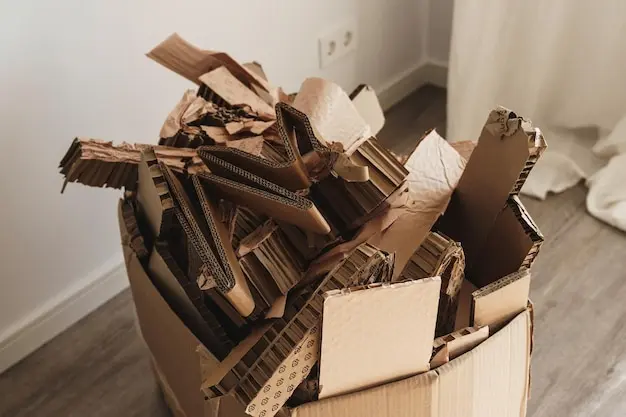
Another issue is the impact it has on operations and appearance. Overflowing waste areas can make your business look quite careless, untidy and disorganised.
Staff may struggle to find space for stock or daily tasks, and customers or visitors may notice untidy surroundings. In sectors where cleanliness and order matter, poor cardboard handling can damage confidence and create a negative impression.
Ignoring proper handling can also lead to missed opportunities. If cardboard is not separated, flattened and collected in the right way, businesses and households lose the chance to recycle a useful material.
This wastes resources and can lead to higher waste volumes overall. Over time, repeated poor practice can become expensive, inefficient and harder to correct, especially when bad habits become part of the routine.
Tips for Improving Waste Cardboard Collection
A good first step to take is to establish a clear separation system between paper and cardboard. Cardboard should have its own designated area or container, and in doing so, it won’t get mixed with your general rubbish. This space should be easy to reach and clearly marked. When people know exactly where cardboard belongs, they are more likely to dispose of it correctly and consistently.
It is also important to prepare the cardboard properly before any collections. Flattening your boxes saves space and makes storage much easier. Removing excess plastic, tape, and other non-cardboard materials can also improve the quality of the load. Keeping cardboard dry is especially important, as wet material can be harder to recycle. Small preparation steps can have a big effect on the success of the collection process.
Regular collection schedules are another key part of improvement. If cardboard is produced in high volumes, waiting too long between collections can lead to overflow and disorder. Businesses should match collection frequency to the amount of waste they generate. Reviewing this regularly helps ensure the system continues to work during busy periods, seasonal changes or growth in activity.
Finally, staff awareness and simple guidance can strengthen the whole process. People are more likely to follow good practice when expectations are clear and easy to understand. Short instructions, visible signs and regular reminders can help build better habits over time. Improving waste cardboard collection does not always need a major change. Usually, it comes from a number of consistent routines, clear communication and a commitment to handling your waste more responsibly.
If you're searching for efficient waste cardboard collection in Eastbourne, look no further than Welcroft Lee Logistics. We'll help you rid any cardboard boxes or waste on your property, transfer them, or provide any advice you need!